

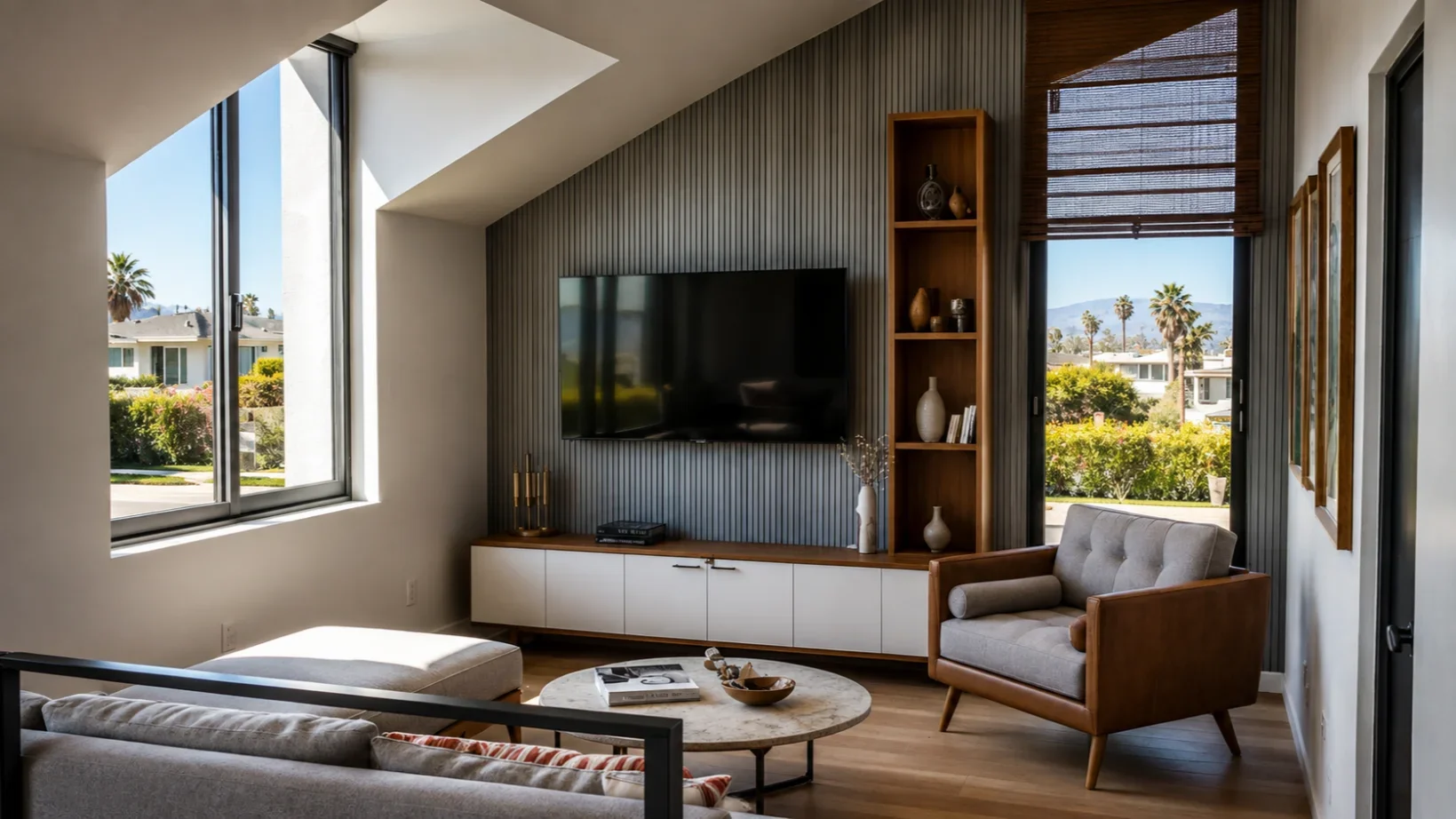
ACCESSORY DWELLING UNIT
At Skalwest Construction, we specialize in designing and building custom ADUs that fit your vision and budget. We handle every step from design and permits to construction and final inspection.
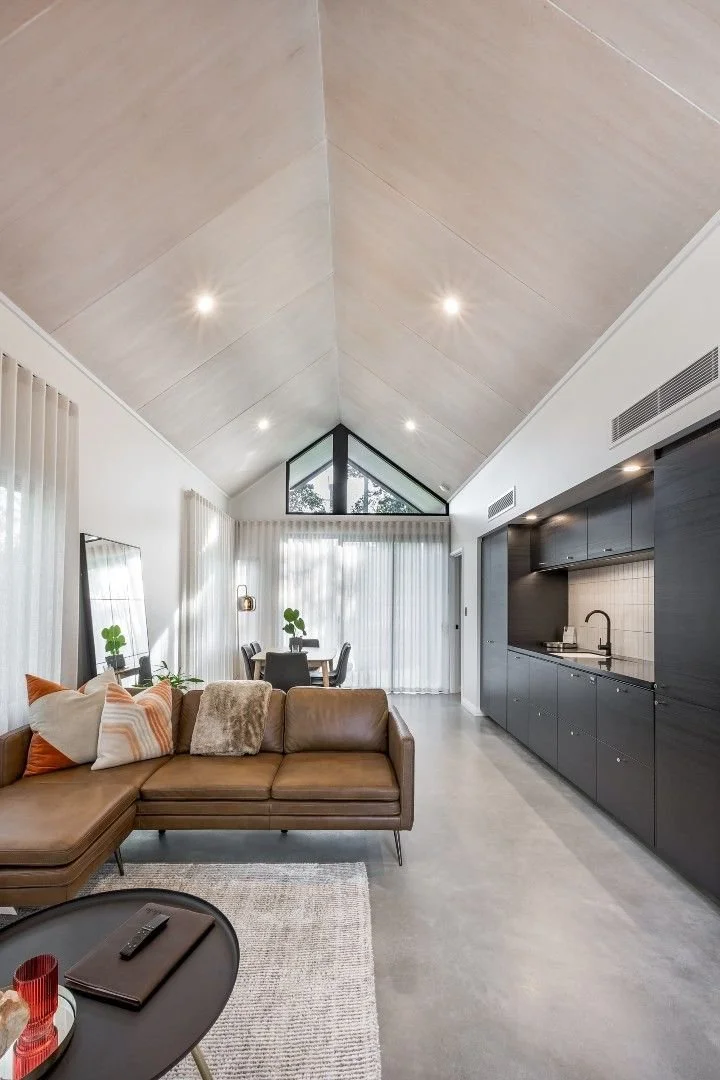
BENEFITS OF AN ADU
INCREASE PROPERTY VALUE
An ADU can significantly boost your property’s value, offering a great return on investment. Whether used as a rental unit or a personal space, it adds valuable square footage and appeals to future buyers seeking versatile living options.
CREATE RENTAL INCOME
An ADU provides the opportunity to generate rental income by leasing out the space. It’s an excellent way to offset mortgage payments, increase your property’s profitability, or offer a separate living area for tenants while maintaining privacy.
FLEXIBILITY & FUNCTIONALITY
An ADU adds functional living space that can be customized to suit your needs. Whether it's a guest house, home office, or in-law suite, an ADU offers a flexible solution that adapts to changing family dynamics or work situations.
ENHANCE PRIVACY
With an ADU, you can maintain privacy while offering independent living arrangements for family members, guests, or renters. It creates a separate space for those who need it, while still being part of the same property, making it ideal for multi-generational living or home-based businesses.
Request a Free Quote for an ADU
in Los Angeles

CONSTRUCTION PROCESS OF AN ADU
STEP 1: DESIGN
At the heart of every great ADU is a well-thought-out design. Our team works closely with you to understand your vision, lifestyle, and goals for the space. We’ll help shape your ideas into a detailed, functional design that blends seamlessly with your existing property and meets your needs—whether for a guest house, home office, or rental unit. Our goal is to create a space that feels uniquely yours.
STEP 2: PLANS
After finalizing the design, we take care of translating it into precise, comprehensive plans. Our experienced architects prepare every detail—floor layouts, structural designs, electrical, plumbing, and more—ensuring that every element of the build is planned for maximum efficiency and long-lasting quality. We make sure you're involved in every step to ensure the plans align perfectly with your expectations.
STEP 3: PERMITS
We take the guesswork out of the permitting process. Our team navigates all the paperwork and legal requirements to secure the necessary permits for your ADU. We handle all communication with local authorities, ensuring your project complies with zoning laws and building codes, so you can focus on your vision while we handle the details.
STEP 4: BUILD & CERTIFICATE OF OCCUPANCY
With permits approved, we begin building your ADU with precision and care. Our skilled construction team ensures high-quality craftsmanship and efficient progress at every stage. We maintain transparency throughout the process, keeping you updated on milestones. Once construction is complete, we’ll obtain the Certificate of Occupancy, ensuring that your new ADU is fully approved and ready for use.
FREQUENTLY ASKED QUESTIONS FOR:
ACCESSORY DWELLING UNITS
COMMON ADU QUESTIONS ANSWERED
-
The cost to build an Accessory Dwelling Unit (ADU) typically ranges from $100,000 to $300,000, depending on the size, design, location, and type of build. On average, ADU construction costs $200–$400 per square foot, with smaller units often costing more per square foot due to fixed expenses like permits and utilities. Total pricing includes hard costs (labor, materials, foundation, utilities), soft costs (plans, engineering, permits), and optional upgrades. Site conditions, city fees, and utility connections can add to the final cost, while garage conversions and prefab ADUs may cost 20–30% less than traditional builds.
Cost factors include:
ADU type (detached, attached, garage conversion, prefab)
Size and design complexity
Labor, materials, and construction method
Permits, plans, and engineering fees
Site conditions and utility connections
-
Convert an attached garage into a fully functional, code-compliant Accessory Dwelling Unit (ADU) by remodeling the existing structure without expanding its footprint. This approach turns underused space into comfortable living quarters while minimizing construction time and costs.
Construction Scope:
Interior framing, insulation, and drywall to meet energy and building codes
Floor leveling and upgraded ceiling finishes for a polished interior
Full plumbing, electrical, and HVAC integration for independent living
Private entrance for added privacy and accessibility
Code-compliant fire separation and safety upgrades between the main home and ADU
Advantages:
More affordable than ground-up ADU construction
Faster permitting and shorter build timeline
Uses existing structure and utility connections
Minimal impact on yard space and exterior layout
Ideal for in-laws, guests, rental income, or a dedicated home office
-
Transform a standalone garage into a fully independent ADU with its own living, kitchen, and bathroom areas. This approach maximizes privacy, adds versatile living space, and can generate rental income. You will be using the existing structure to save time and cost.
Construction Scope:
Full interior build-out including framing, insulation, drywall, flooring, and ceiling finishes
Structural upgrades to foundation, walls, and roof for code compliance and durability
Separate plumbing, electrical, and HVAC systems for independent living
Private entrance with optional outdoor space, patio, or yard
Fire separation and safety measures to meet local building codes
Layout and design customization to fit bedrooms, living areas, and storage
Advantages:
Maximum privacy from the main house
More affordable than building a new detached ADU
Flexible design options to suit families, guests, or rental units
Faster permitting and construction timeline using the existing structure
Ideal for in-law suites, guest housing, home offices, or long-term rentals
-
Add a second story above your existing garage to create a two-level ADU, keeping the garage functional below while providing a fully independent living space above. This solution maximizes property use and adds significant square footage without expanding the home’s footprint.
Construction Scope:
Structural reinforcement of the existing garage to support a second story
Framing, roofing, and exterior finishes for the new upper-level unit
Installation of new stairs and a separate entrance for privacy
Full interior finish of the upper ADU, including kitchen, bathroom, living area, and bedroom(s)
Integration of plumbing, electrical, and HVAC systems for independent operation
Compliance with building codes, fire separation, and safety standards
Advantages:
Adds significant living space without enlarging the property footprint
Maintains the garage’s original function below
Increases property value and rental potential
Provides flexible options for family members, guests, or long-term rental income
Offers privacy with a fully separate living unit above the garage
-
Setbacks, height limits, and lot coverage are zoning regulations that determine where and how large you can build an ADU on your property. These rules ensure your ADU fits safely within your lot and doesn’t negatively impact neighbors or the surrounding neighborhood. Understanding these limits early is crucial for designing a compliant ADU.
Key considerations include:
Setbacks: Minimum distances your ADU must maintain from property lines, often 4 feet or less for side yards, depending on your city. This affects where the ADU can be positioned on your lot.
Height Limits: Maximum allowed height for your ADU, usually 16–18 feet for single-story units, to maintain neighborhood character and comply with residential zoning.
Lot Coverage: The total portion of your property that can be built on. Most areas allow ADUs to occupy up to 50% of the primary residence’s size, or a maximum of 1,200 sq ft, whichever is smaller.
Integration with Existing Structures: Attached ADUs may share walls with your main house, while detached units must meet additional spacing and fire separation requirements.
Permitting Impact: Your design must comply with these limits to receive approval. Violations can delay permits or require design changes.
By carefully planning setbacks, height, and lot coverage, you can maximize usable ADU space while staying fully compliant with local building codes.
-
Whether an ADU requires separate utility meters depends on local regulations, the type of ADU, and how it will be used. Some cities encourage separate meters for billing and safety, while others allow ADUs to share utilities with the main house.
Key points to know:
Electricity: Detached ADUs often have their own meter, but attached units or garage conversions can sometimes share the main house’s meter if allowed.
Water and Sewer: Local codes may require separate connections for billing or usage tracking, especially if the ADU will be rented.
Gas: Similar to electricity, some ADUs share the main home’s gas line, but a separate meter may be recommended for safety and billing.
Benefits of Separate Meters:
Clear utility billing for tenants or family members
Easier long-term management and rental arrangements
Can prevent disputes over shared utility costs
Shared Utilities:
Typically allowed for family use ADUs where the unit isn’t rented
May reduce upfront installation costs but could complicate rental billing
Planning utilities early in the design phase ensures your ADU is fully functional, code-compliant, and cost-efficient.
With proven expertise in ADUs and home remodeling, Skalwest Construction supports you through every step of your project, from initial design and permitting to construction and final finishes. We combine clear communication, careful planning, and high-quality craftsmanship to ensure your vision becomes reality on time and on budget.
OUR PROJECTS
Explore our diverse ADU designs crafted for every home and need
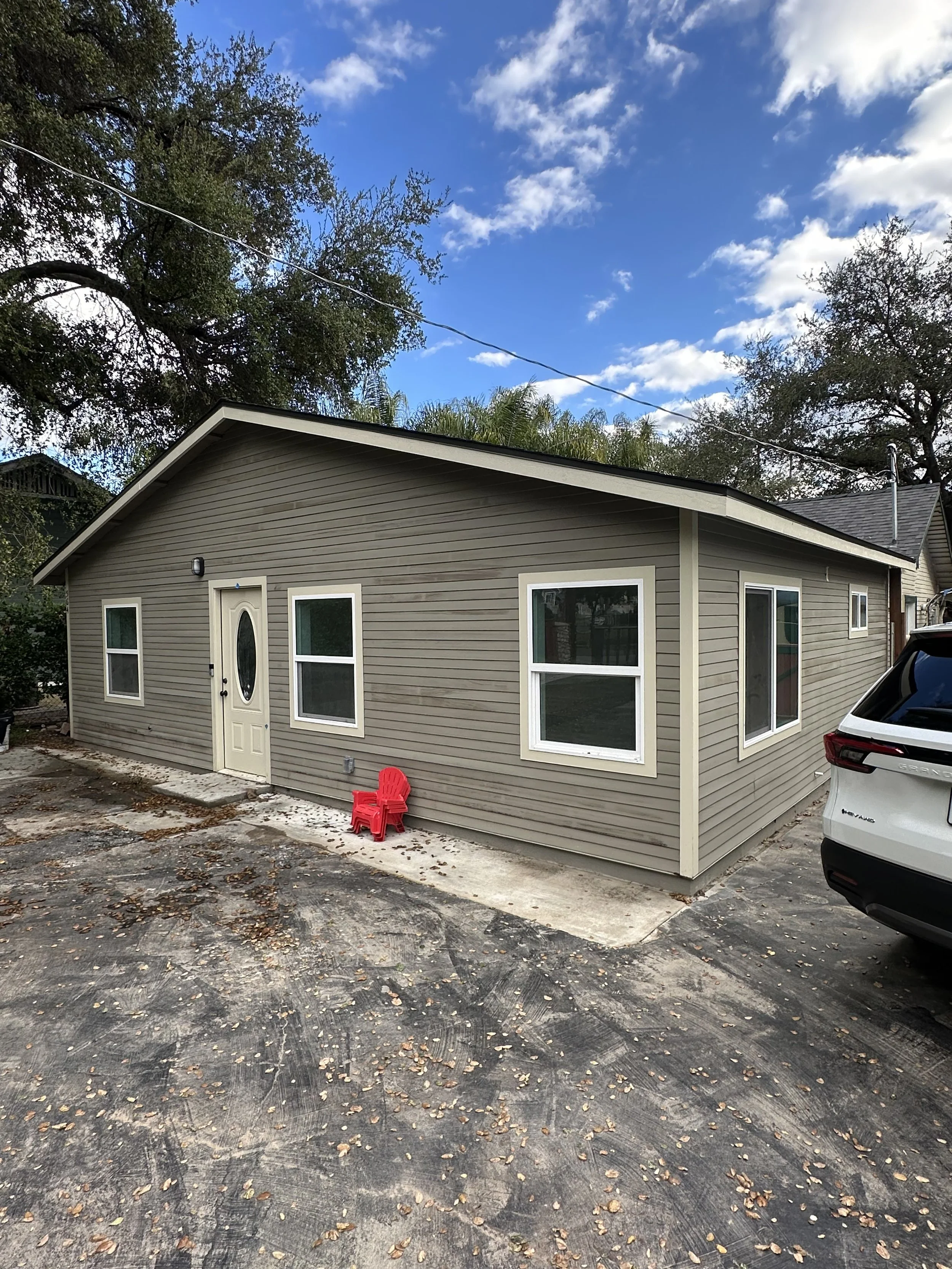
Project: Home Addition
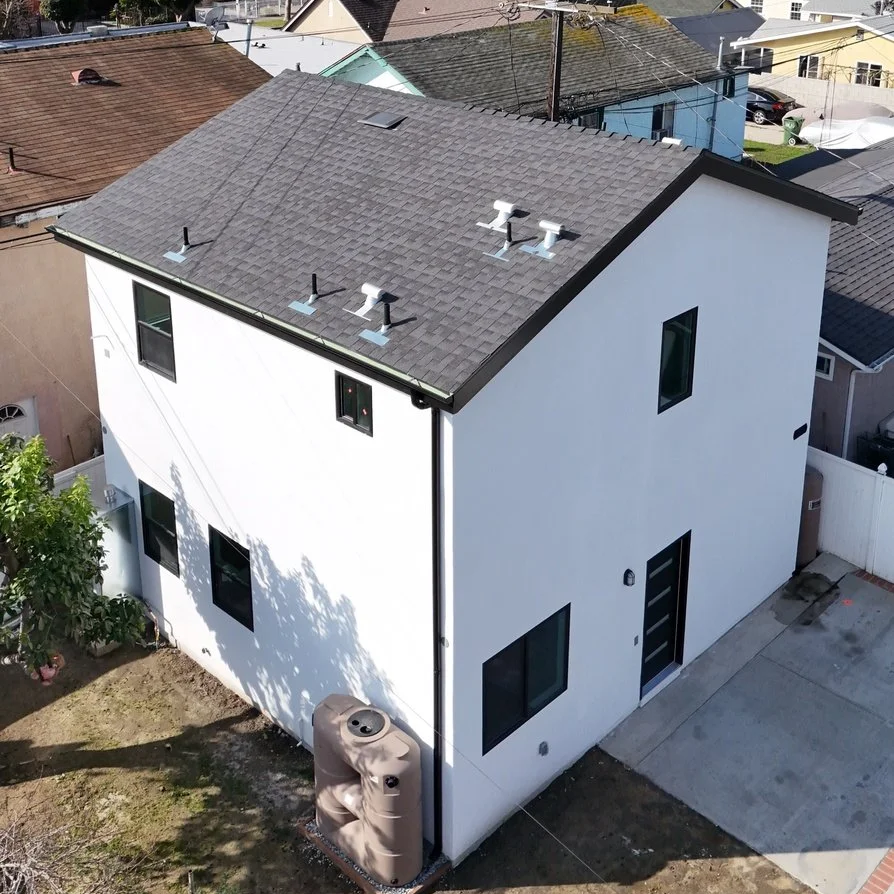
Project: Two-Story Detached ADU
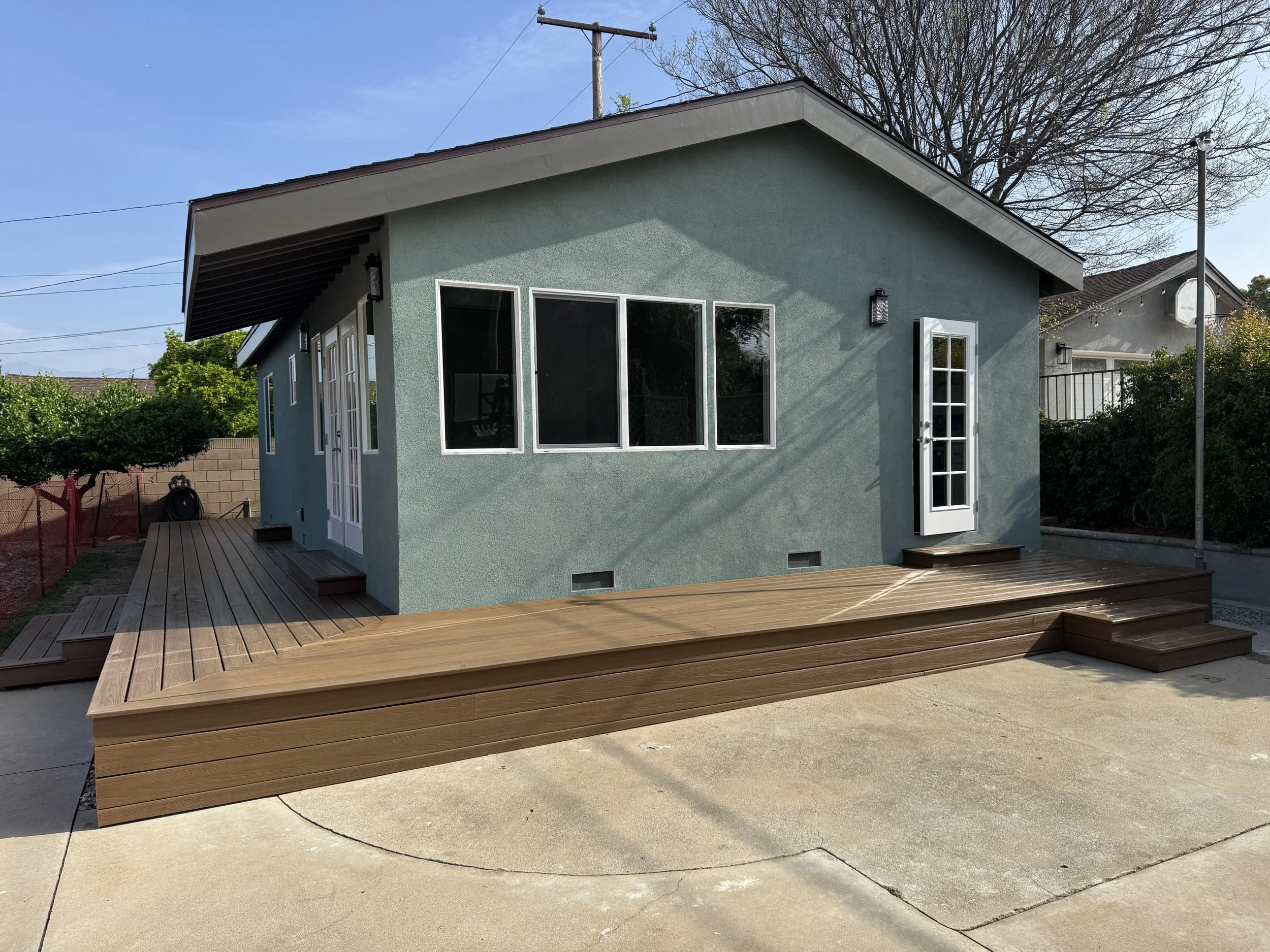
Project: Detached ADU
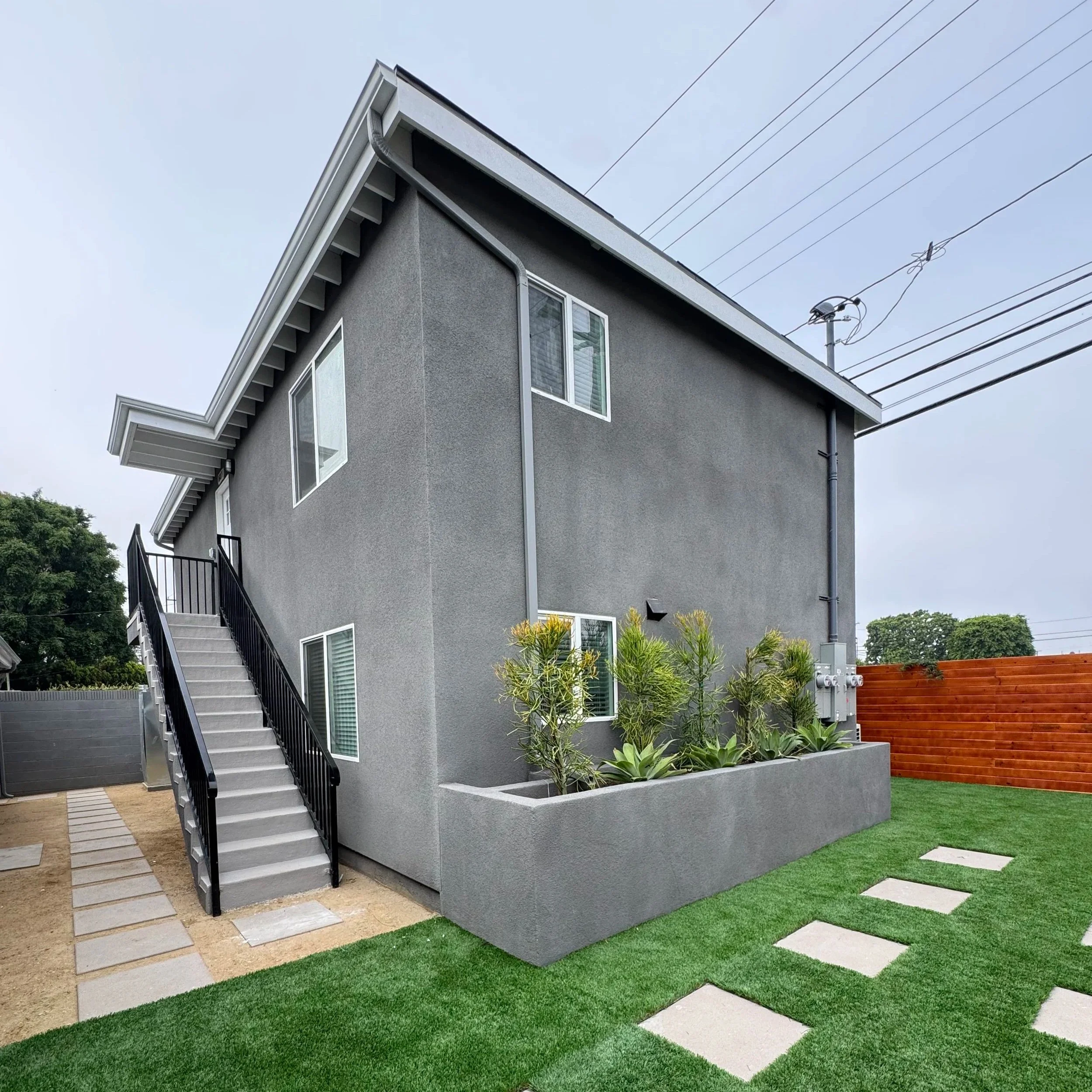
Project: Two-Story Detached Duplex ADU