

Building an ADU for Rental Income: What You Need to Know
We’ve all thought about it — that extra space on your property that could bring in some steady rental income. But then the questions start piling up. How do I even get started? What’s the cost? And is it even allowed where I live? If you’ve been wondering about building an ADU for rental income you’re in the right place. Whether you’re planning to host long-term tenants or looking into short-term stays like Airbnb, building an ADU can be a smart move. In this post, we’ll walk you through everything you need to know, including:
Why building an ADU can boost your income and property value
What to know about local rules and zoning
Budgeting and financing your ADU project
The different types of ADUs and which one might fit your space
How to design a rental-friendly unit tenants will love
How to choose the right contractor for your build
Legal and tax tips for renting your ADU
Marketing your rental once it's ready
By the end, you’ll have a clear idea of what’s involved and how to take the next step toward creating a rental-ready space on your own property.
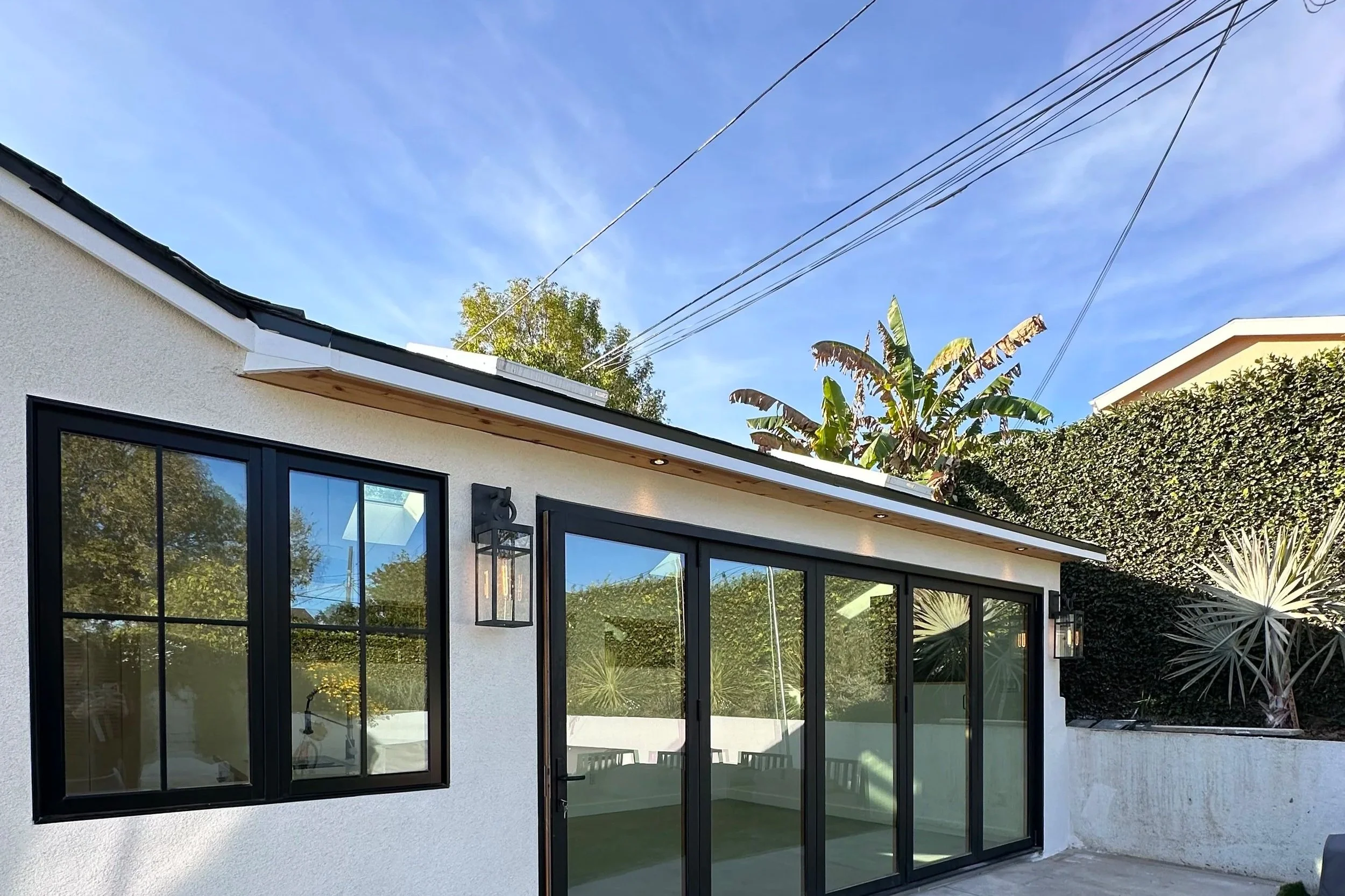
1. Why Build an ADU for Rental Income?
Adding an ADU to your property isn’t just about extra space — it’s a smart way to generate steady rental income that can help cover your mortgage or other expenses. Plus, it boosts your property’s overall value, making it more attractive if you ever decide to sell. Beyond the money, an ADU offers lifestyle flexibility: it can serve as a cozy home for family members, a private guest suite, or a long-term rental. In a city like LA where housing is tight and prices are high, ADUs have become a popular way for homeowners to make the most of their land and help ease the housing crunch.
2. Understanding Local Regulations and Zoning
Before you get started, it’s crucial to understand what your local government allows. Cities like Los Angeles have specific rules about how big your ADU can be, how close it needs to be to your main house, and if you need to provide extra parking. These zoning laws can affect whether you build a detached unit, convert a garage, or add onto your home. The good news is most cities offer clear guidelines, but you’ll want to check with your planning department early on. Securing the right permits is key — and while the process can seem overwhelming, knowing the rules upfront helps avoid costly delays down the road.
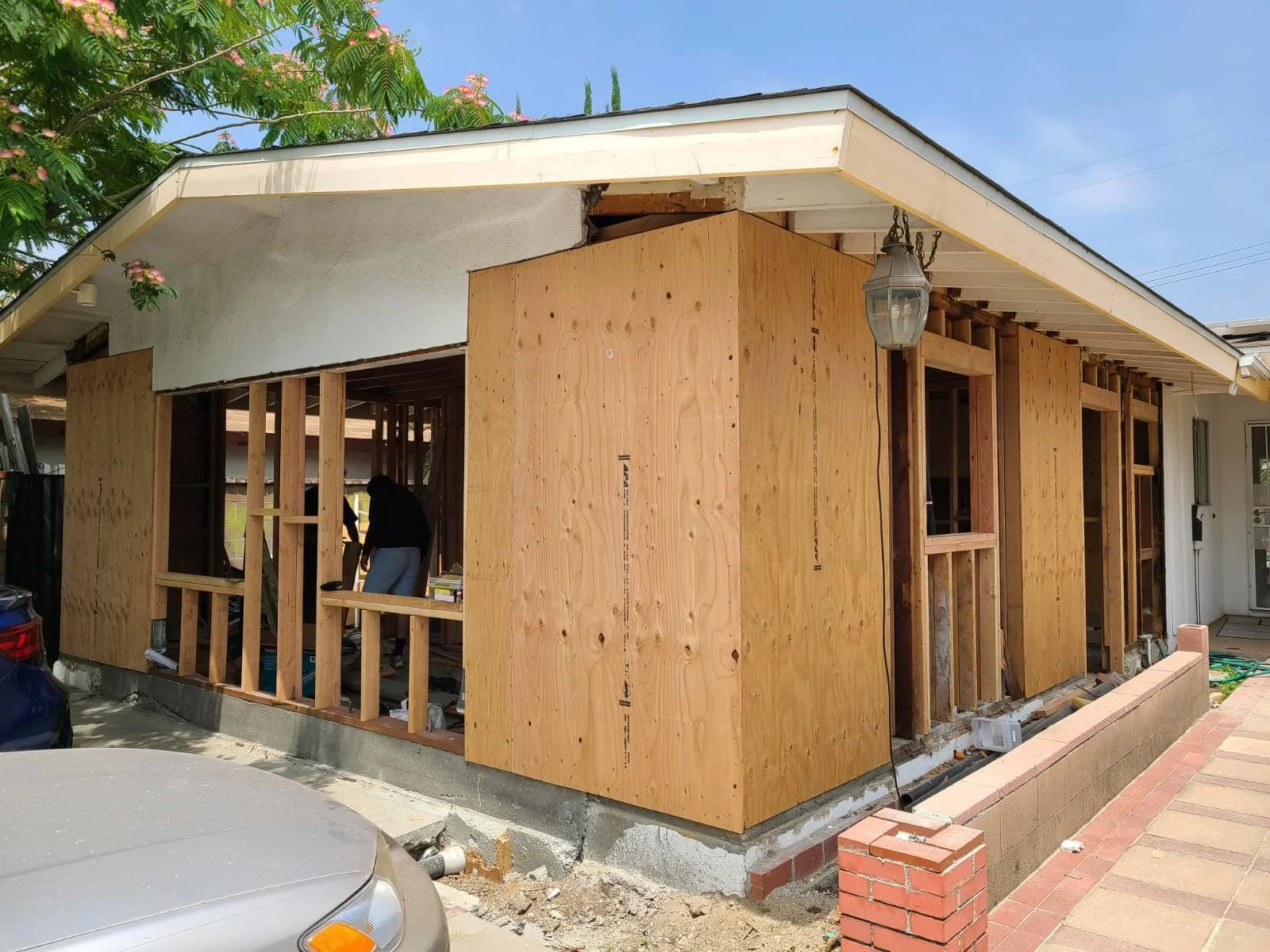
3. Budgeting and Financing Your ADU Project
Building an ADU is a significant investment, so setting a realistic budget is essential. Costs include design fees, construction materials, labor, permits, and connecting utilities like water and electricity. Many homeowners finance their ADU through home equity loans, construction loans, or personal savings. It’s smart to have a contingency fund for unexpected expenses that might come up during the build. Before you start, calculate potential rental income and compare it against your costs — this helps you see how long it might take to recoup your investment and start earning passive income.
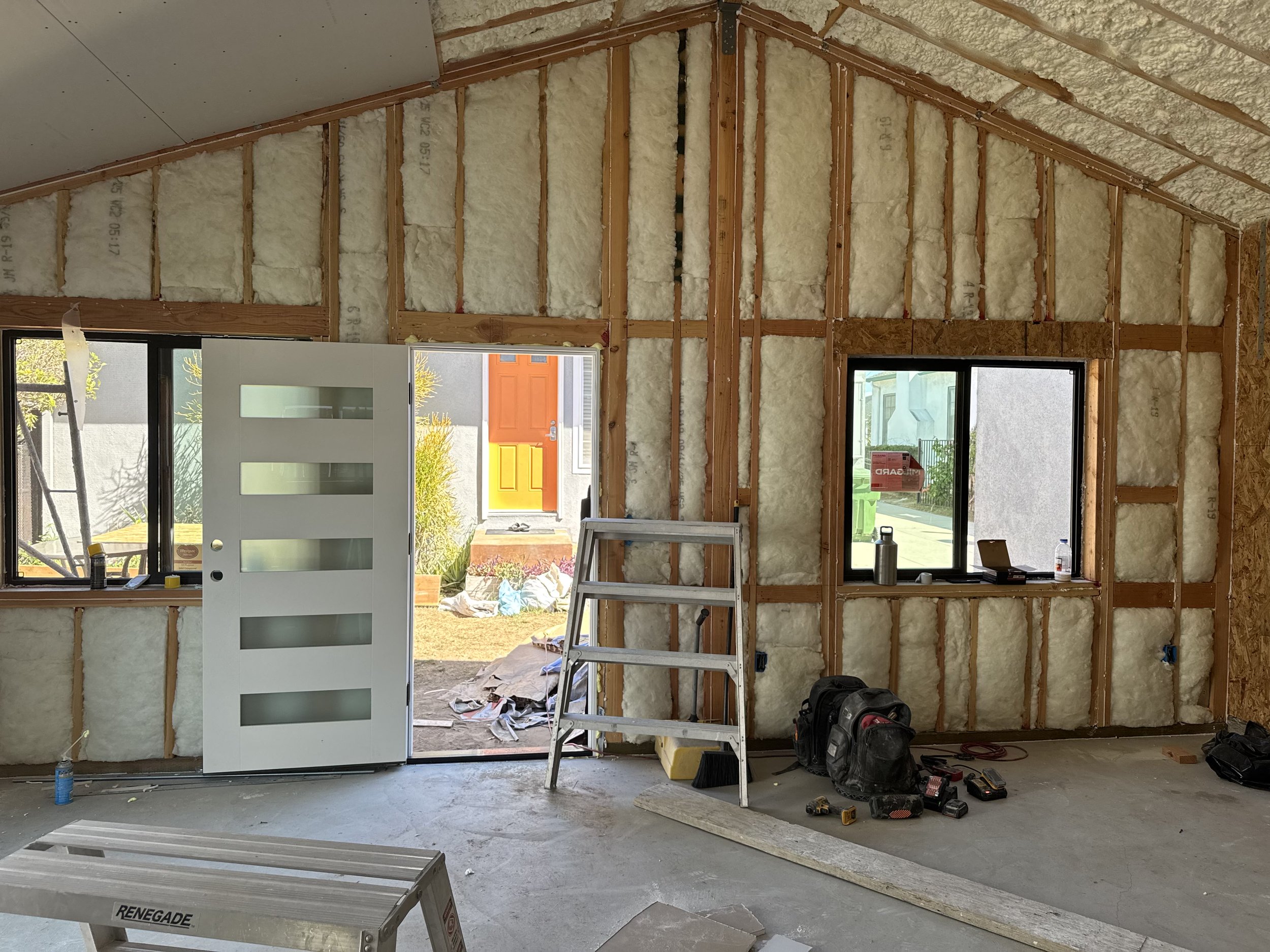
4. Choosing the Right Type of ADU
Not all ADUs are created equal. You can build a detached unit in your backyard, attach an addition to your home, convert your existing garage, or even opt for prefab or modular units that speed up construction. Detached ADUs give tenants more privacy but usually cost more to build. Garage conversions are often more affordable but come with space limitations. Prefab units can be a quicker solution but might have design restrictions. Your choice depends on your property, budget, timeline, and what you want to offer renters. Understanding these options upfront can save you time and money.
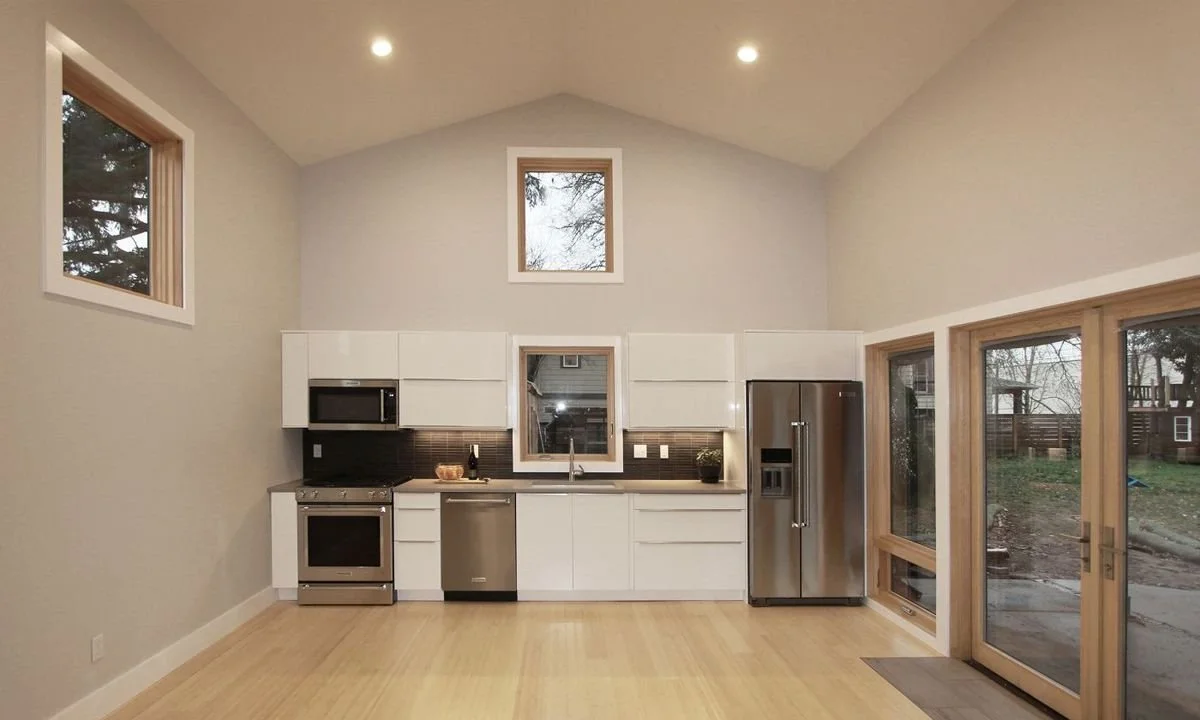
5. Designing for Renters: What They Want
If your goal is to rent out your ADU, designing with tenants in mind will make a big difference. Renters appreciate privacy, natural light, and modern appliances that make life easier. A smart layout that maximizes space while feeling open and comfortable helps your unit stand out. Durable materials that are easy to clean keep maintenance low and wear manageable. Small touches like good storage, energy-efficient lighting, and cozy finishes can attract quality tenants and keep your rental in demand.
6. How to Maximize Your Space in a Small Footprint
ADUs are often compact, so clever design is key. Think multi-purpose furniture like fold-out beds or tables, built-in shelves, and hidden storage solutions that reduce clutter. Open floor plans and minimal walls create a feeling of spaciousness, while light colors and plenty of windows help brighten the space. If you can, add an outdoor patio or garden area — it extends living space and makes the unit feel larger without expensive construction.
7. Finding the Right Contractor and Team
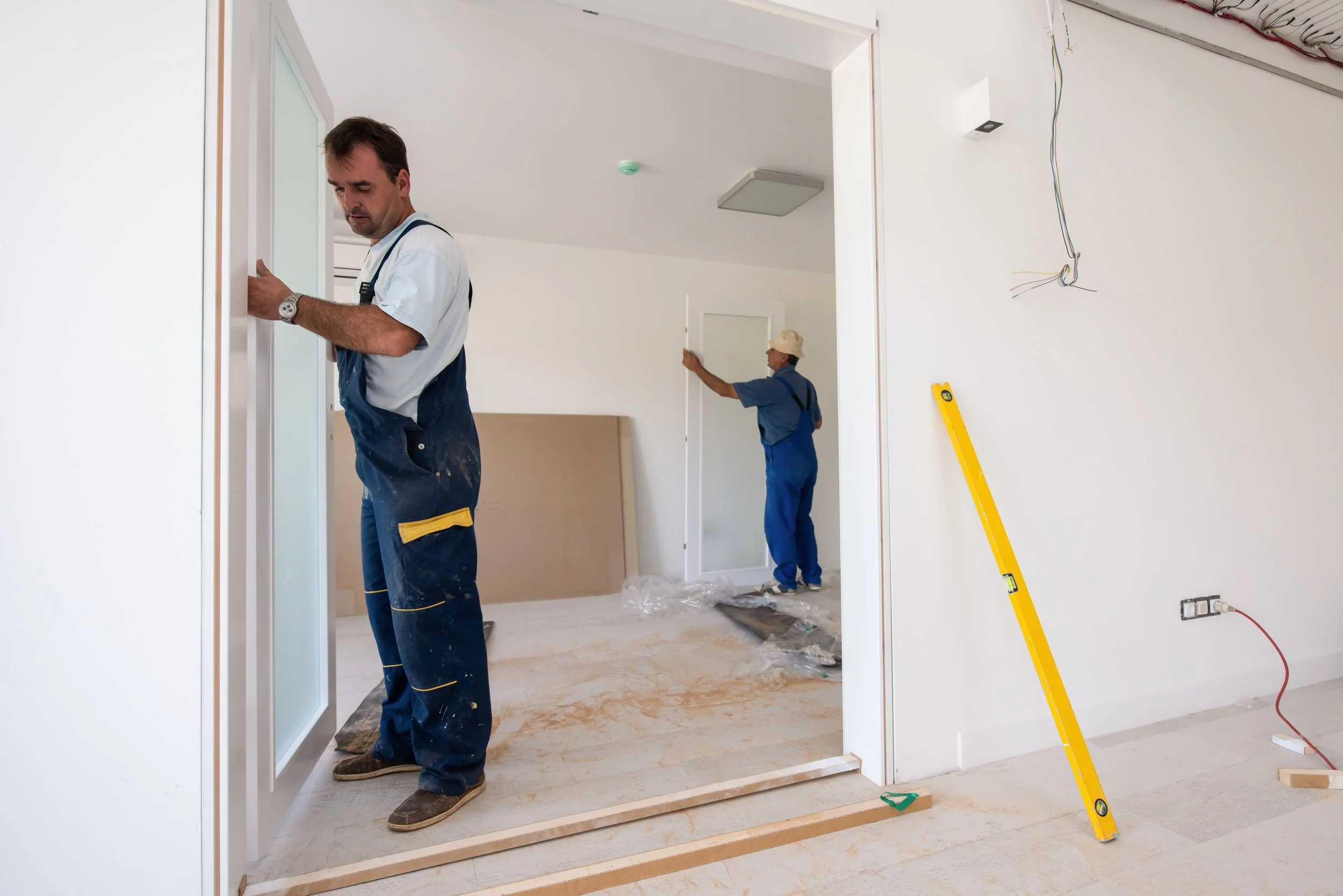
A successful ADU build starts with hiring the right team. You want contractors who specialize in ADUs, understand local regulations, and have a proven track record of completed projects. Clear communication is key — your team should walk you through timelines, budgets, and any challenges that might come up. Working with a design-build company that handles everything from planning to construction can make the process a whole lot easier. At SkalWest Construction we offer stress-free consultations and full-service planning to help you get your ADU project moving with confidence.
9. Legal and Tax Considerations for Renting Your ADU
Once your ADU is ready to rent, there are a few important legal and financial details to consider. Whether you're planning to rent it out long-term or list it on Airbnb for short-term stays, it’s crucial to check what’s allowed in your area. Some cities have restrictions or permitting requirements for short-term rentals, and rules can vary widely across LA. Be sure to look into things like rental licenses, occupancy limits, and insurance coverage.
10. Tips for Marketing Your ADU Rental
Finally, to attract renters you’ll want a strong marketing approach. High-quality photos and honest descriptions help your listing stand out online. Research local rental prices to set a competitive rate. Screening tenants carefully can save you headaches later. Preparing your ADU for showings by keeping it clean and staged will make a great first impression. Using popular rental platforms and local networks can widen your reach and get your unit rented faster.
Ready to Make Your Property Work for You?
Building an ADU for rental income isn’t just a home upgrade — it’s a smart investment in your future. Whether you’re dreaming of hosting on Airbnb, welcoming long-term tenants, or simply making better use of your space, the process starts with the right team and a solid plan. With the right design, smart budgeting, and a little expert guidance, your backyard or garage could soon be generating income every single month.
At Skalwest Construction, we make the process simple, stress-free, and tailored to your goals. If you're ready to take the next step, let’s talk about how to bring your ADU vision to life.