

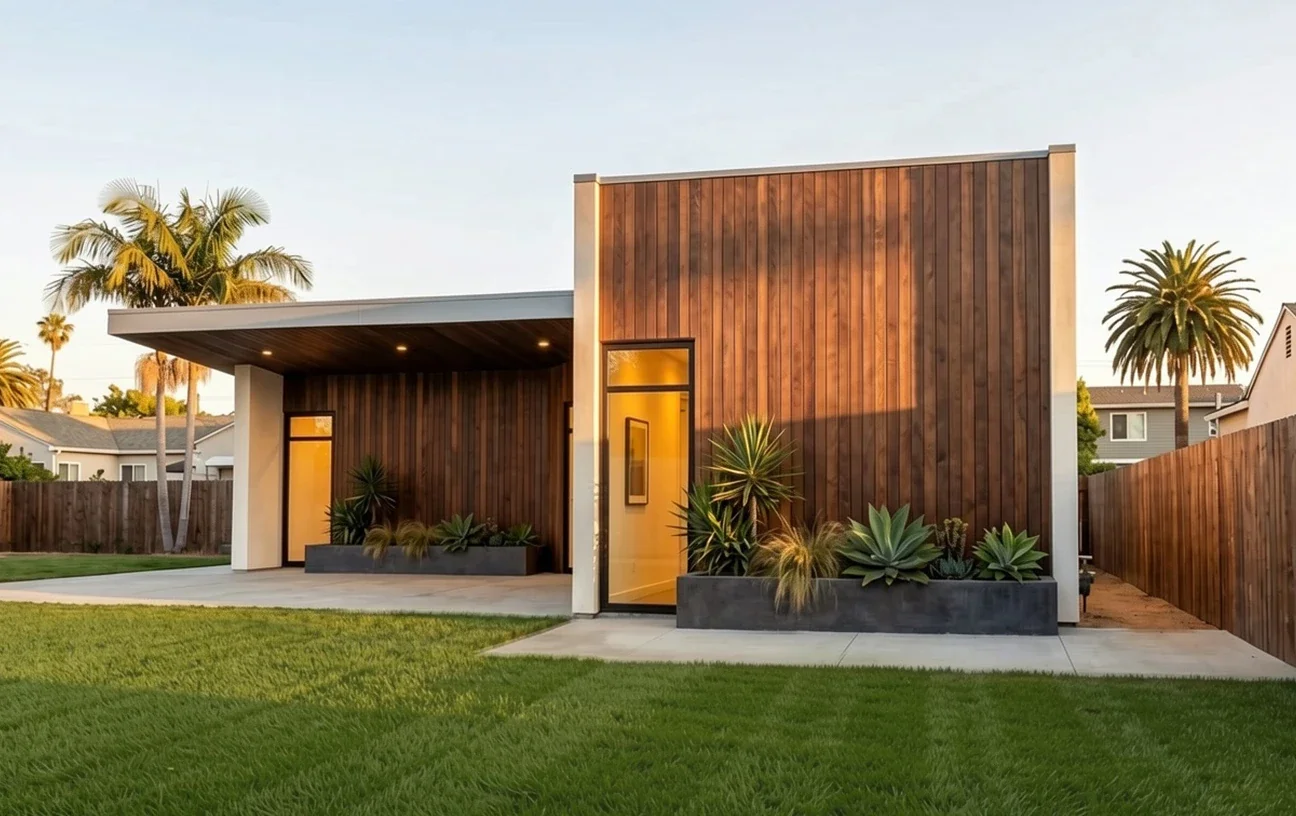
ADU Design • Plans • Permit Support
ADU Design & Construction | Santa Monica
Work with our ADU design team to create permit-ready plans and build your ADU
Building ADUs in One of Southern California's Most Desirable Communities
Santa Monica has long been recognized as one of Southern California's most sought-after places to live. Known for its coastal setting, walkable neighborhoods, established residential streets, and strong property values, the city attracts homeowners who appreciate thoughtful architecture, quality construction, and long-term investment in their homes. From the neighborhoods surrounding Montana Avenue to Sunset Park and Ocean Park, properties throughout Santa Monica offer unique opportunities for carefully planned ADU development.
As housing needs continue to evolve, many homeowners are turning to Accessory Dwelling Units as a way to create additional living space, accommodate extended family, generate rental income, or increase property value. ADUs have become an increasingly popular solution because they allow homeowners to maximize the potential of their existing property while preserving the character of both the primary residence and the surrounding neighborhood.
Designing an ADU in Santa Monica involves much more than simply creating a floor plan. Every property presents its own considerations related to lot size, setbacks, access, existing structures, utility connections, and local development requirements. Successful projects balance these practical constraints with design decisions that prioritize privacy, natural light, functionality, and long-term livability.
At Skalwest, we approach ADU projects with both design and construction in mind from the very beginning. Whether the goal is a detached backyard ADU, a garage conversion, an attached addition, or a Junior ADU, our focus is on creating spaces that are practical, buildable, and tailored to the unique needs of each property and homeowner.
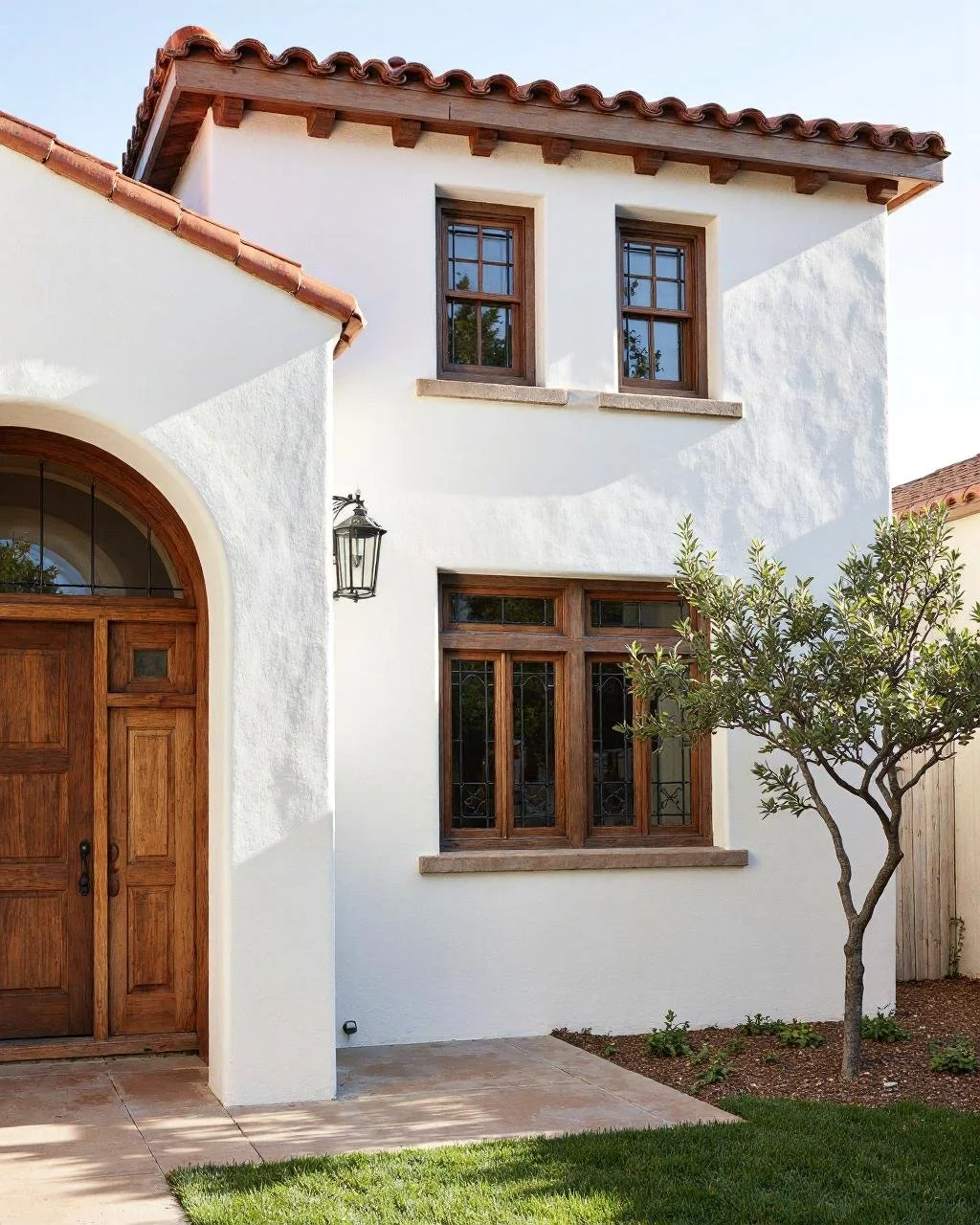
ADU Design, Planning, & Construction
Practical support from concept to full construction.
OUR MOST POPULAR ADU PLANS
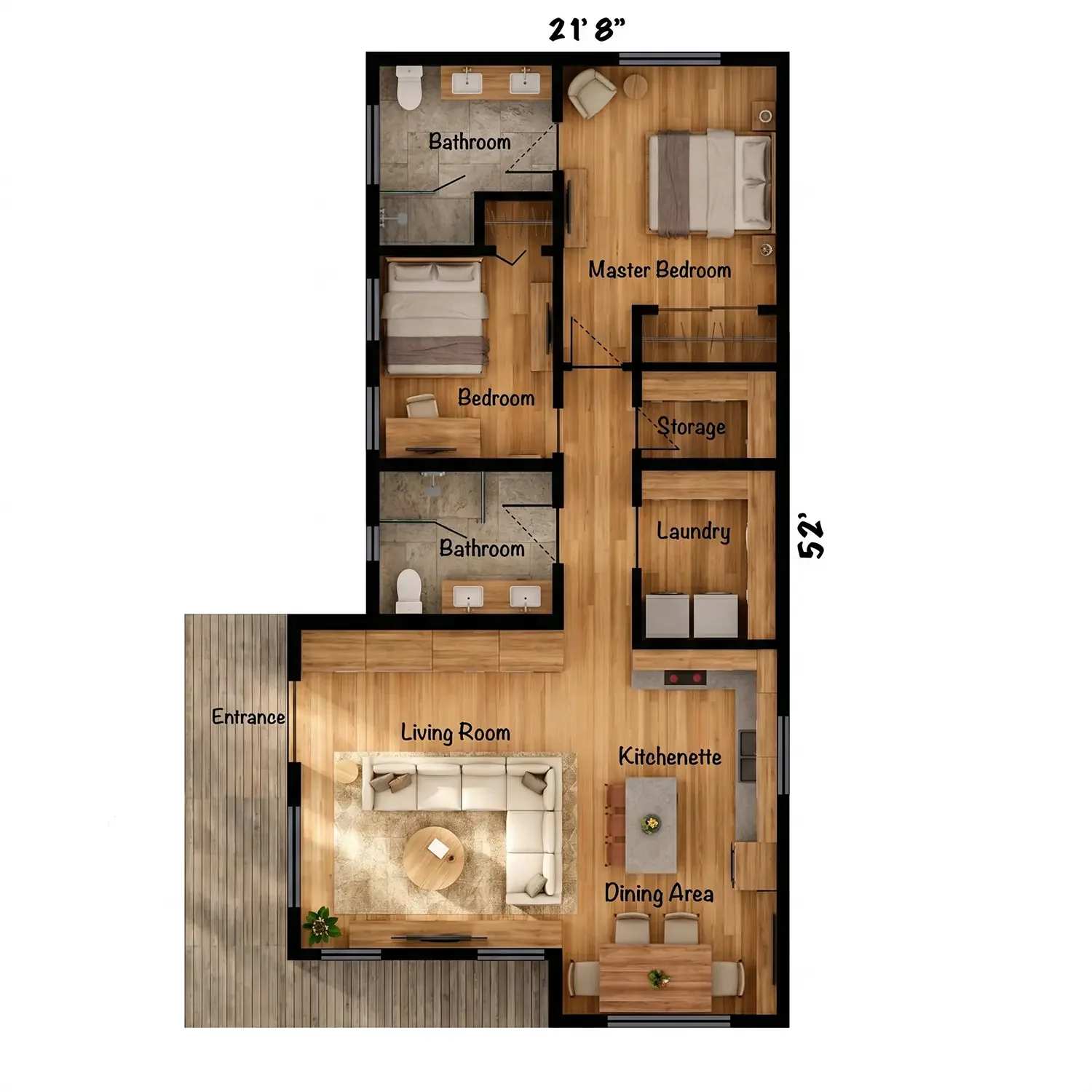
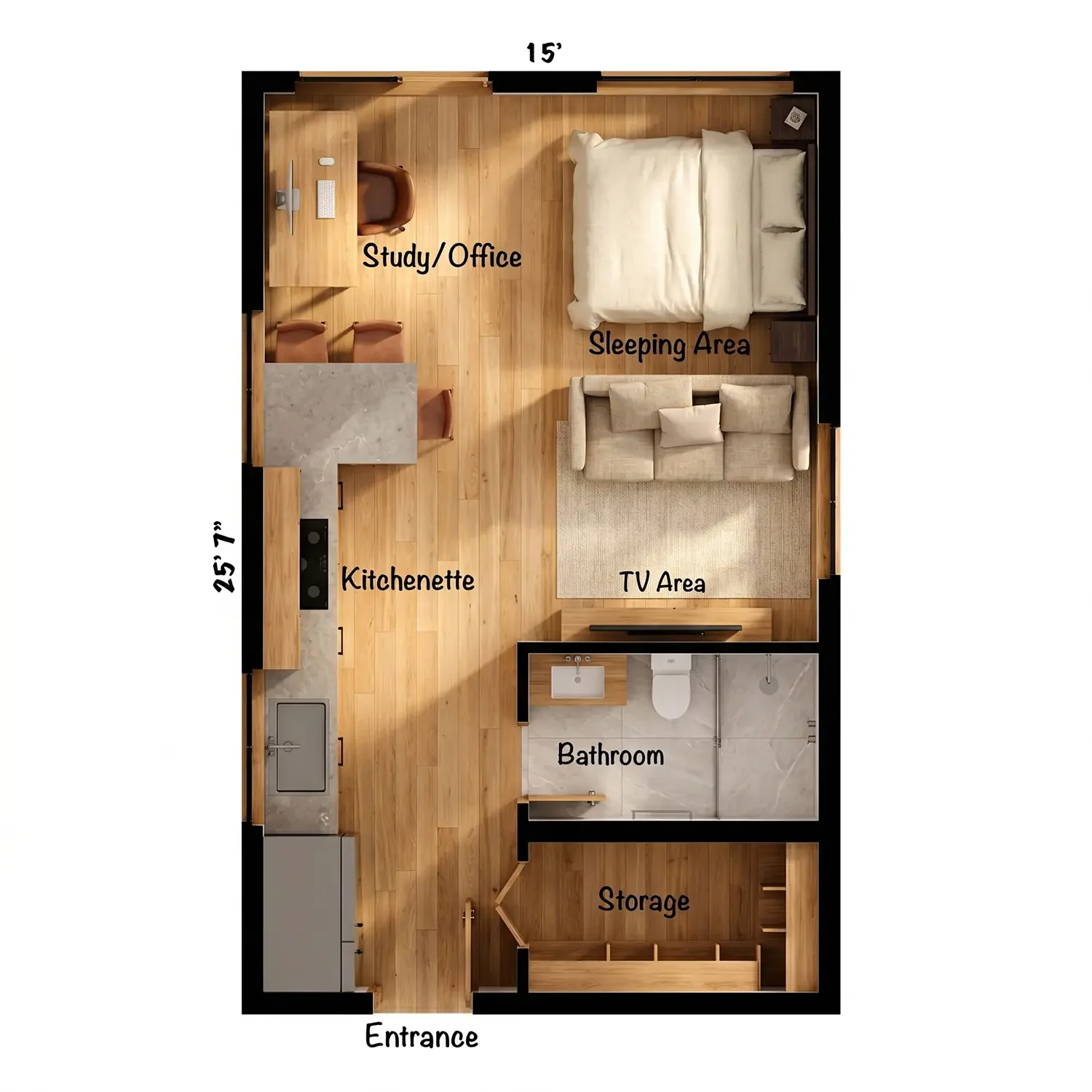
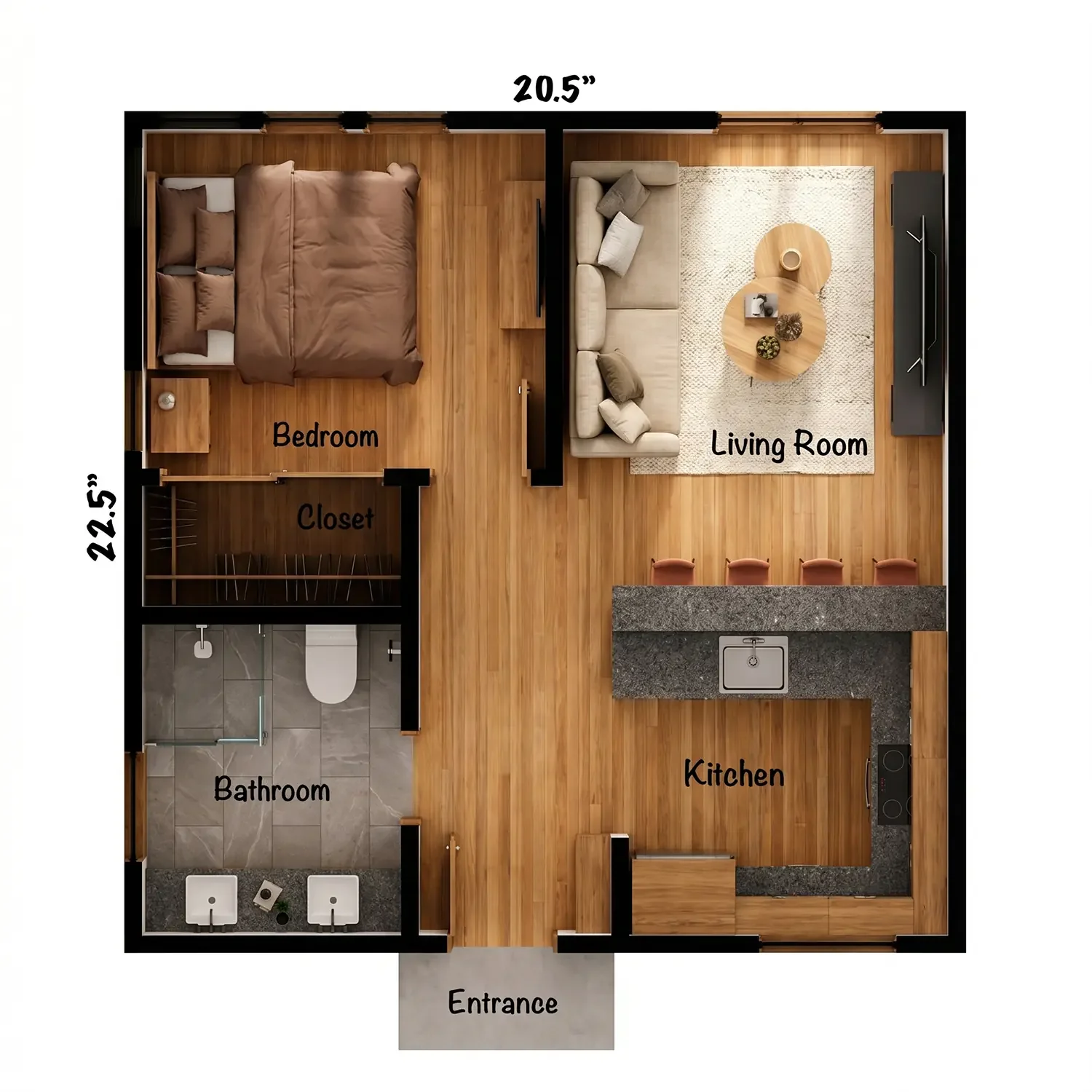
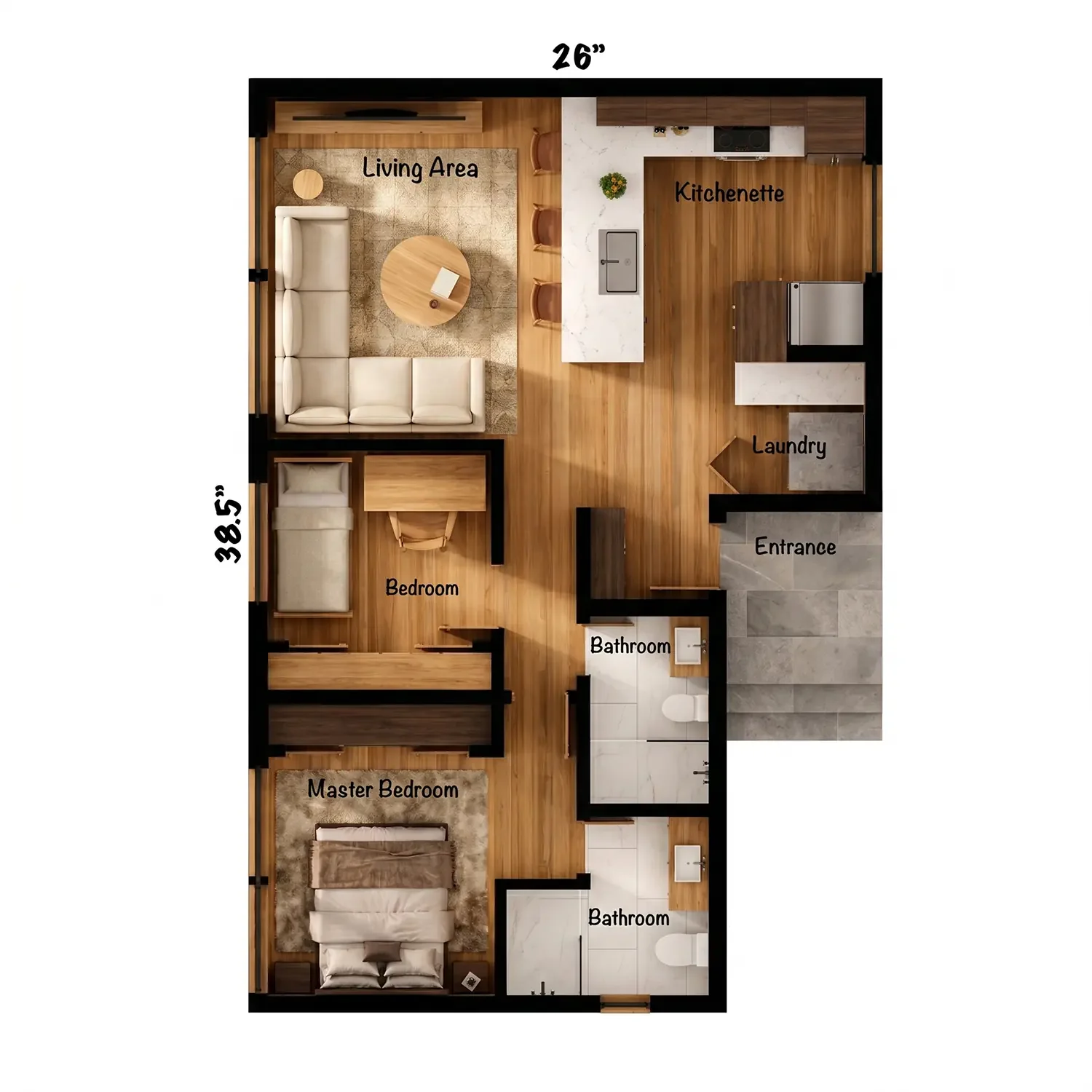
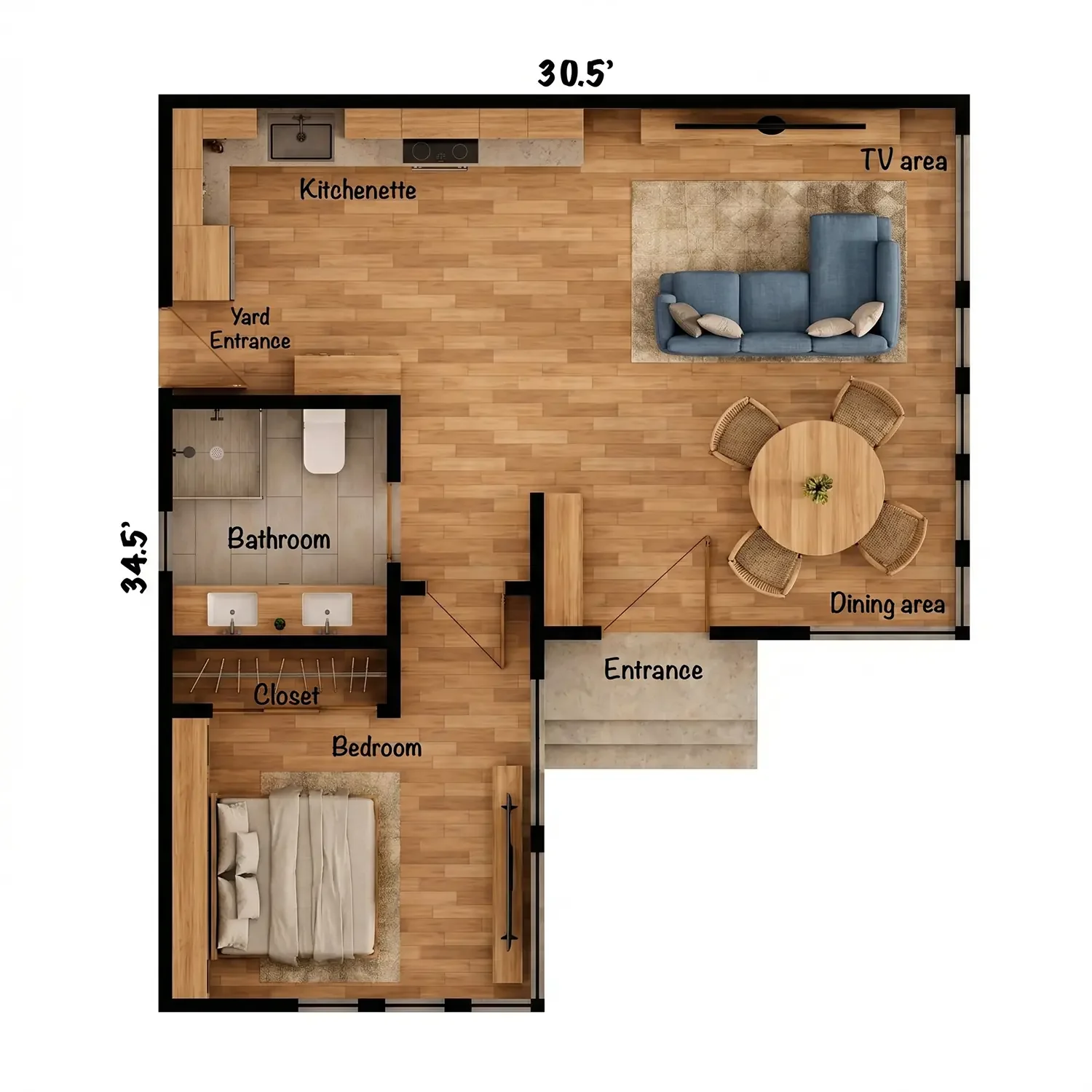
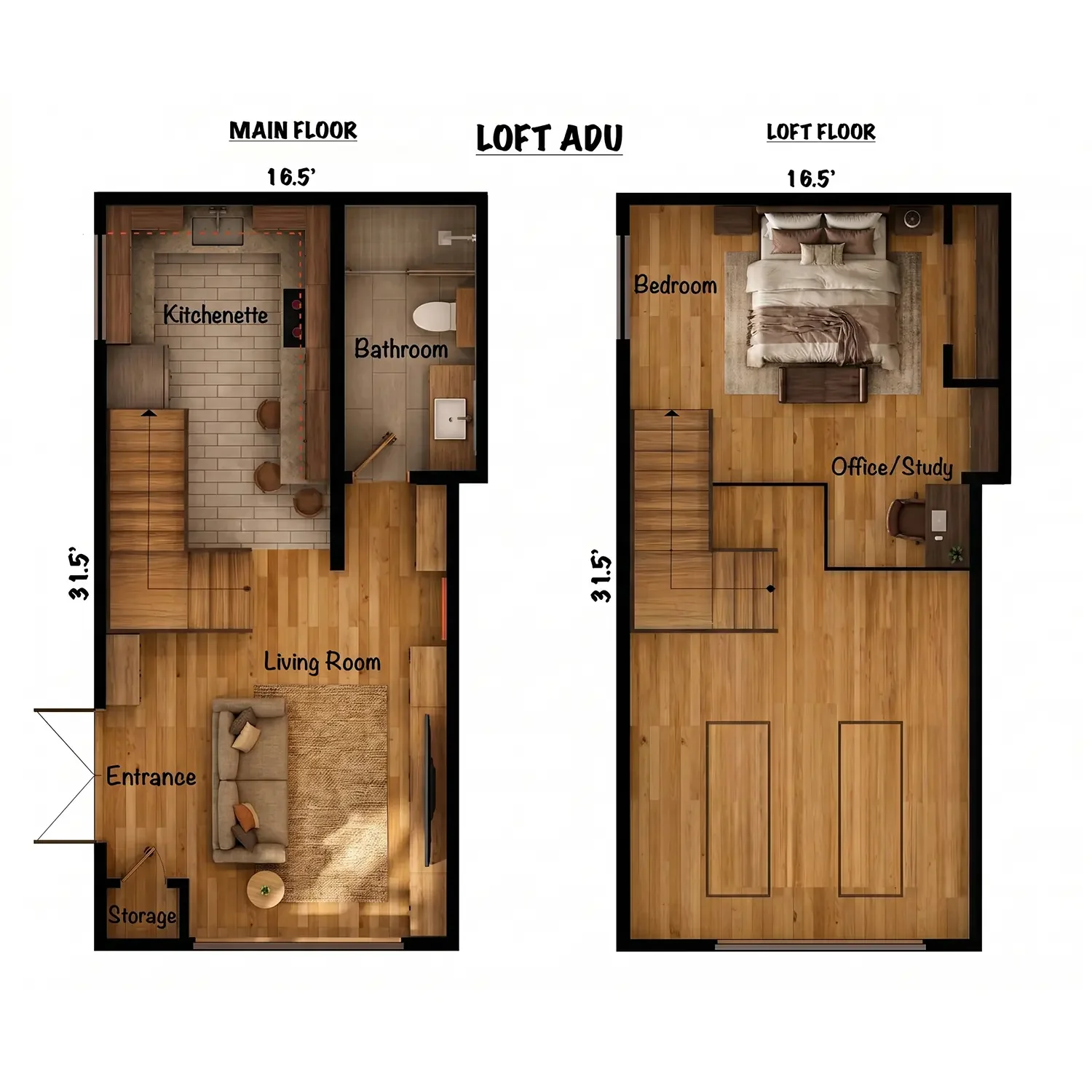
ADU Types
From Idea to Permit
A clear path from first conversation to permit-ready plans in Santa Monica.
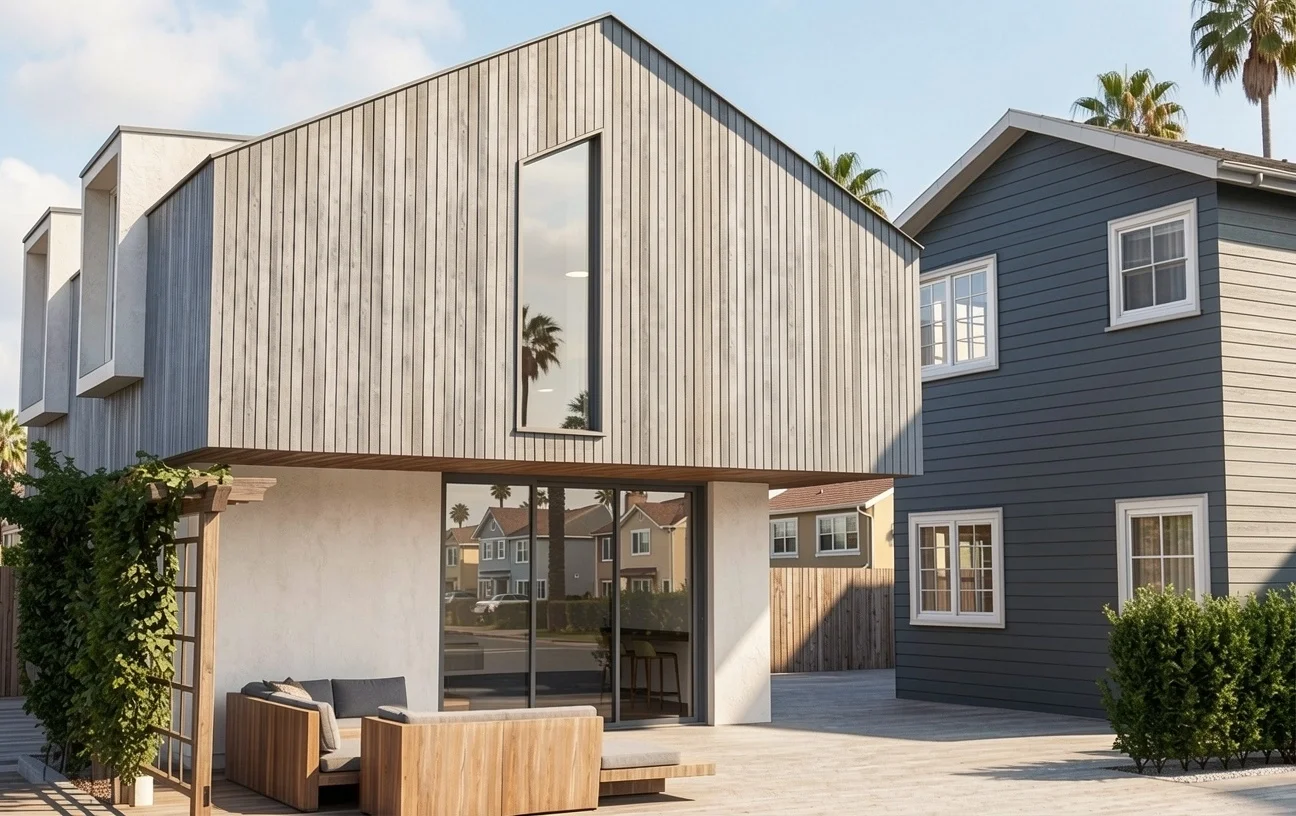
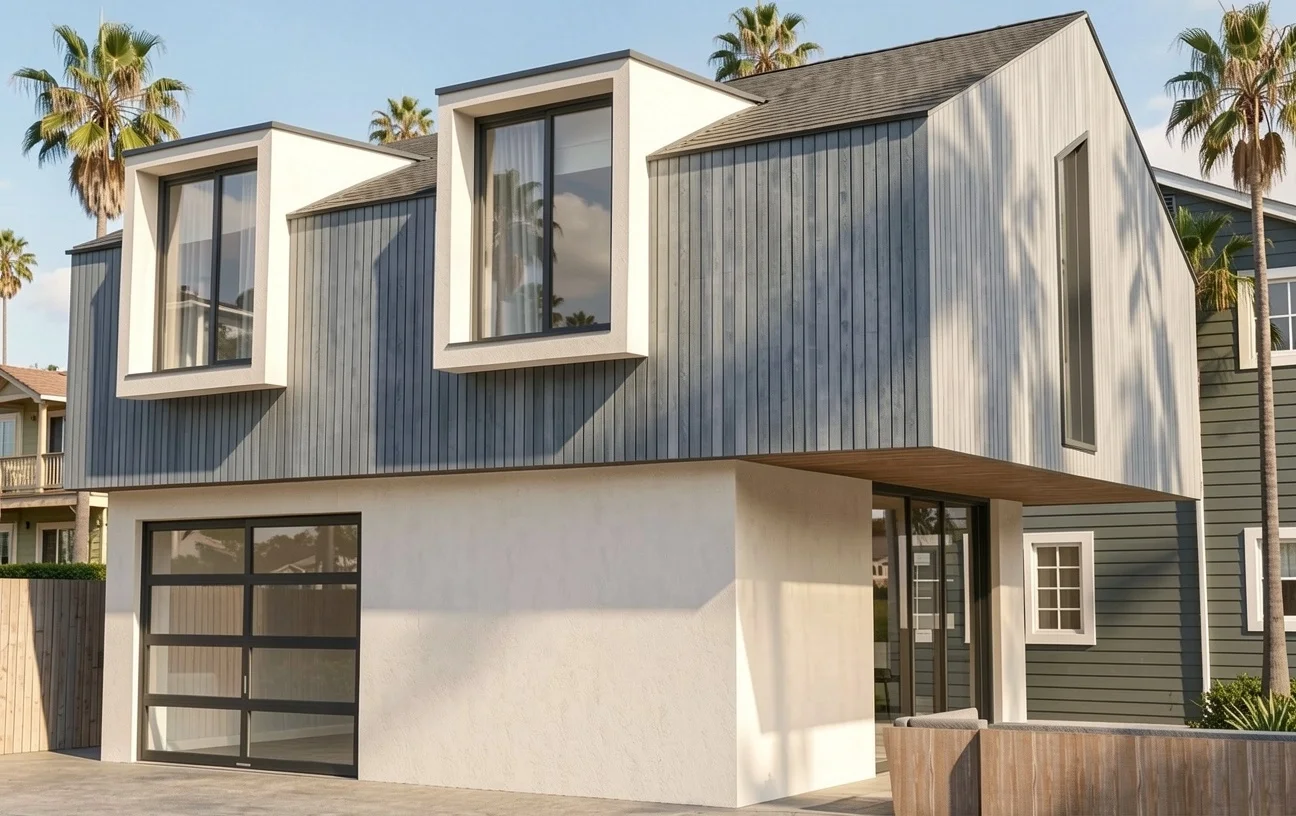
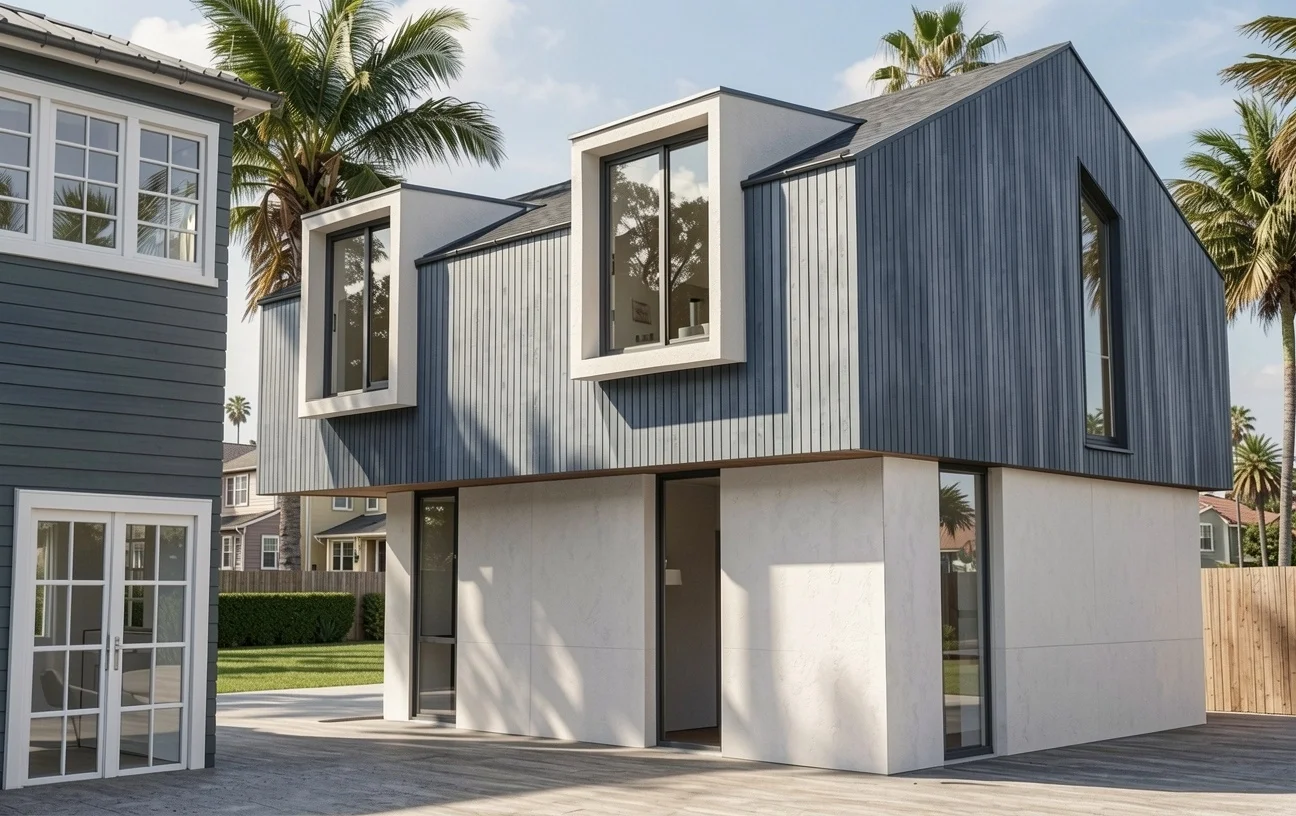
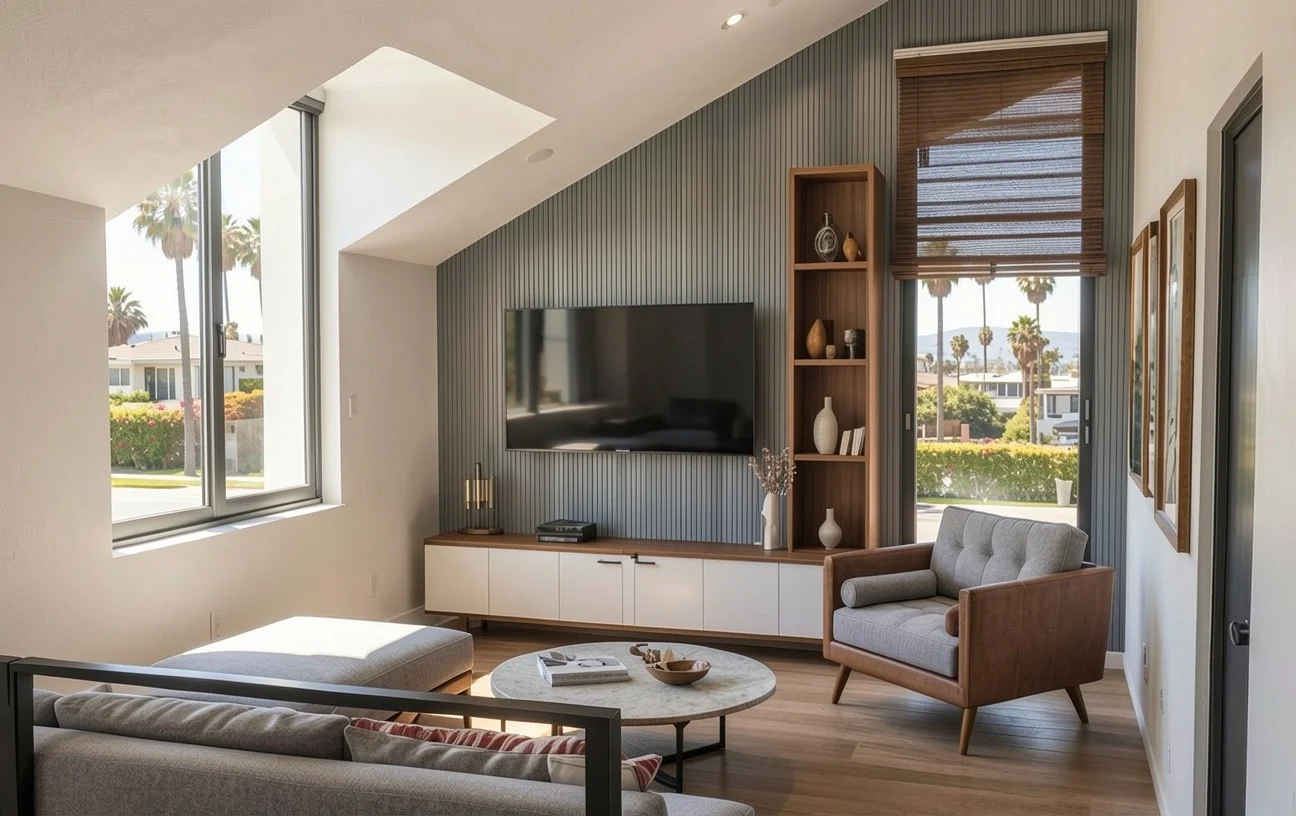
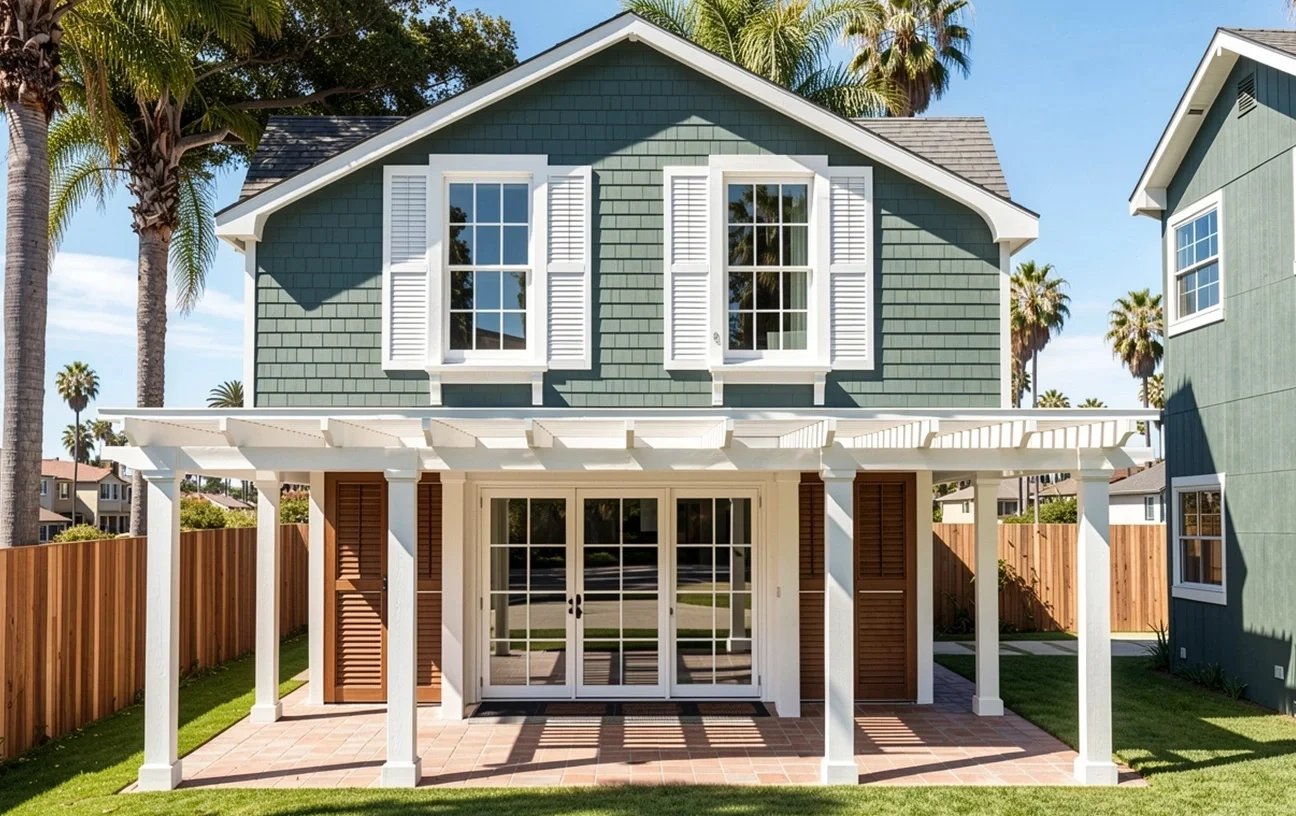
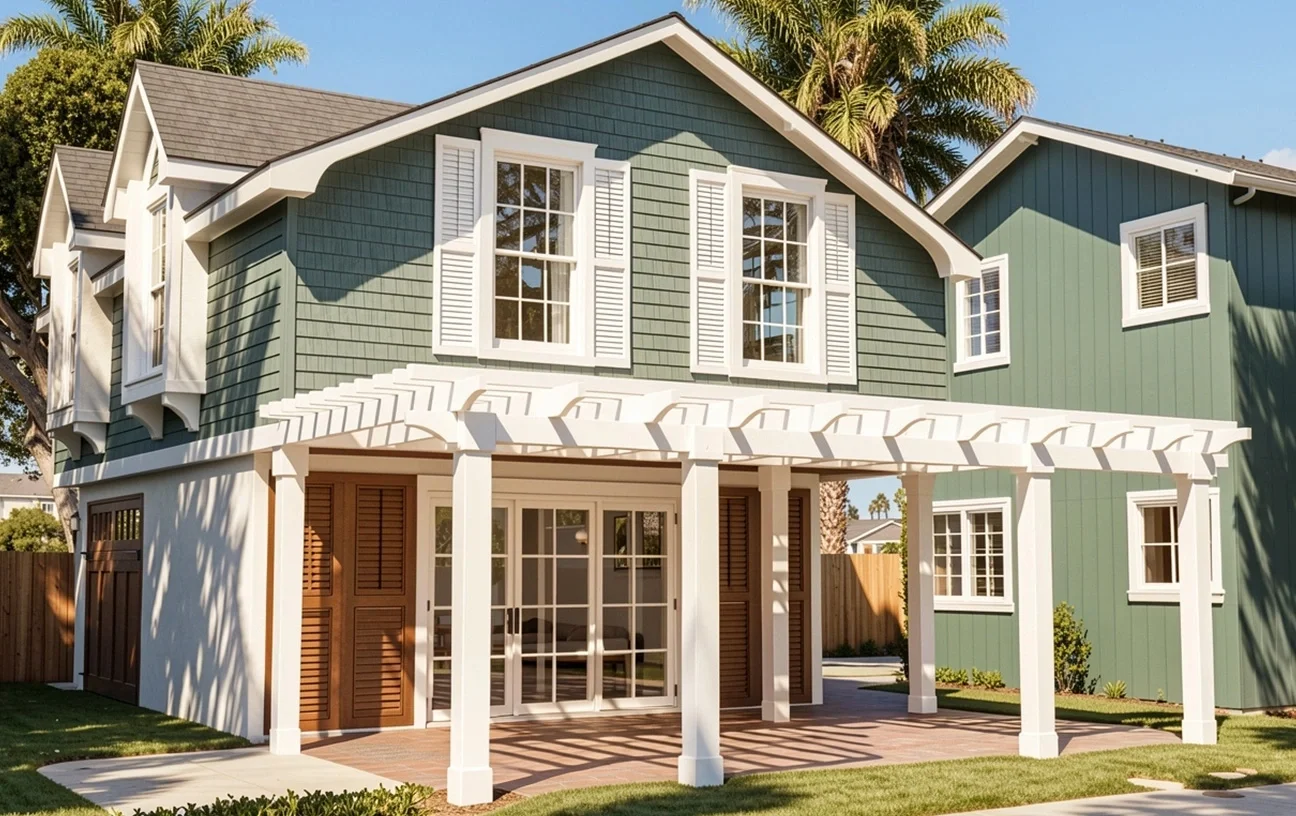
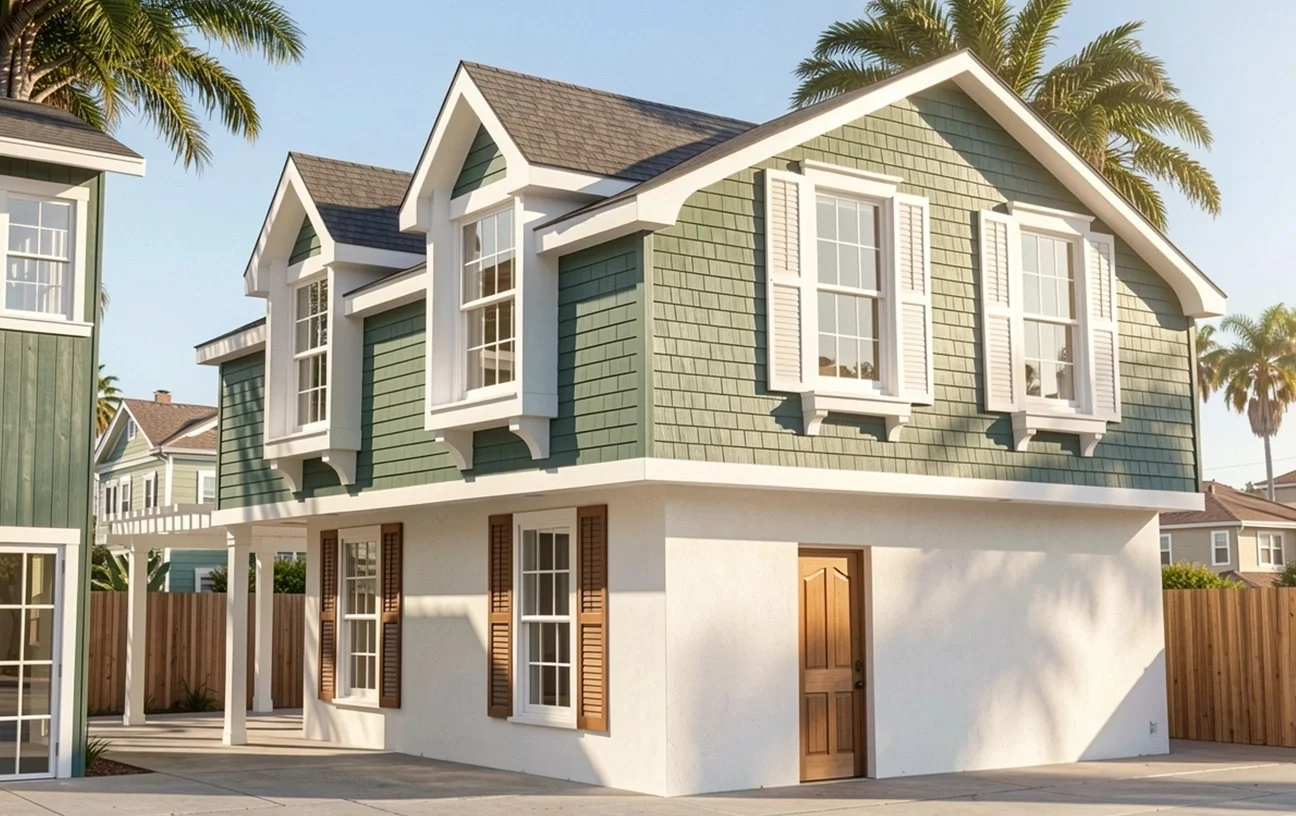
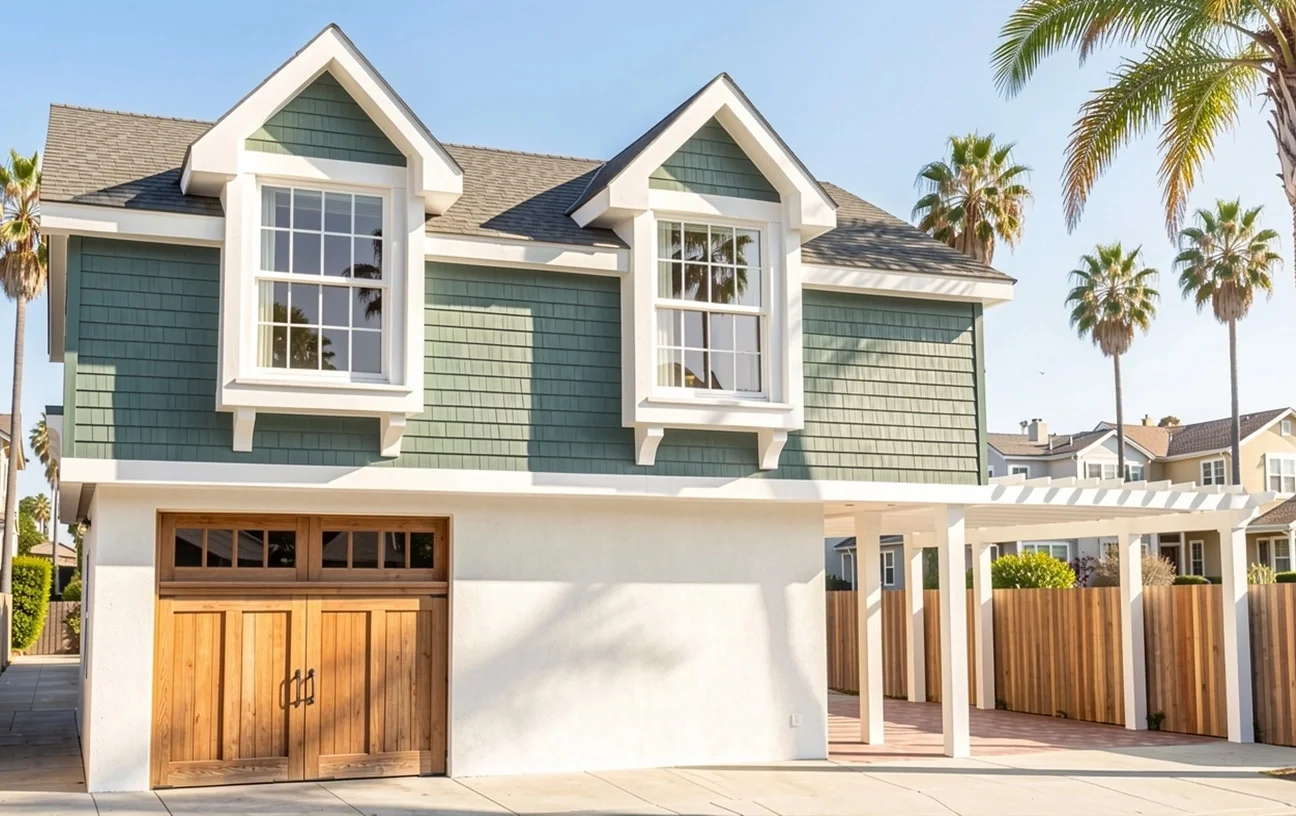
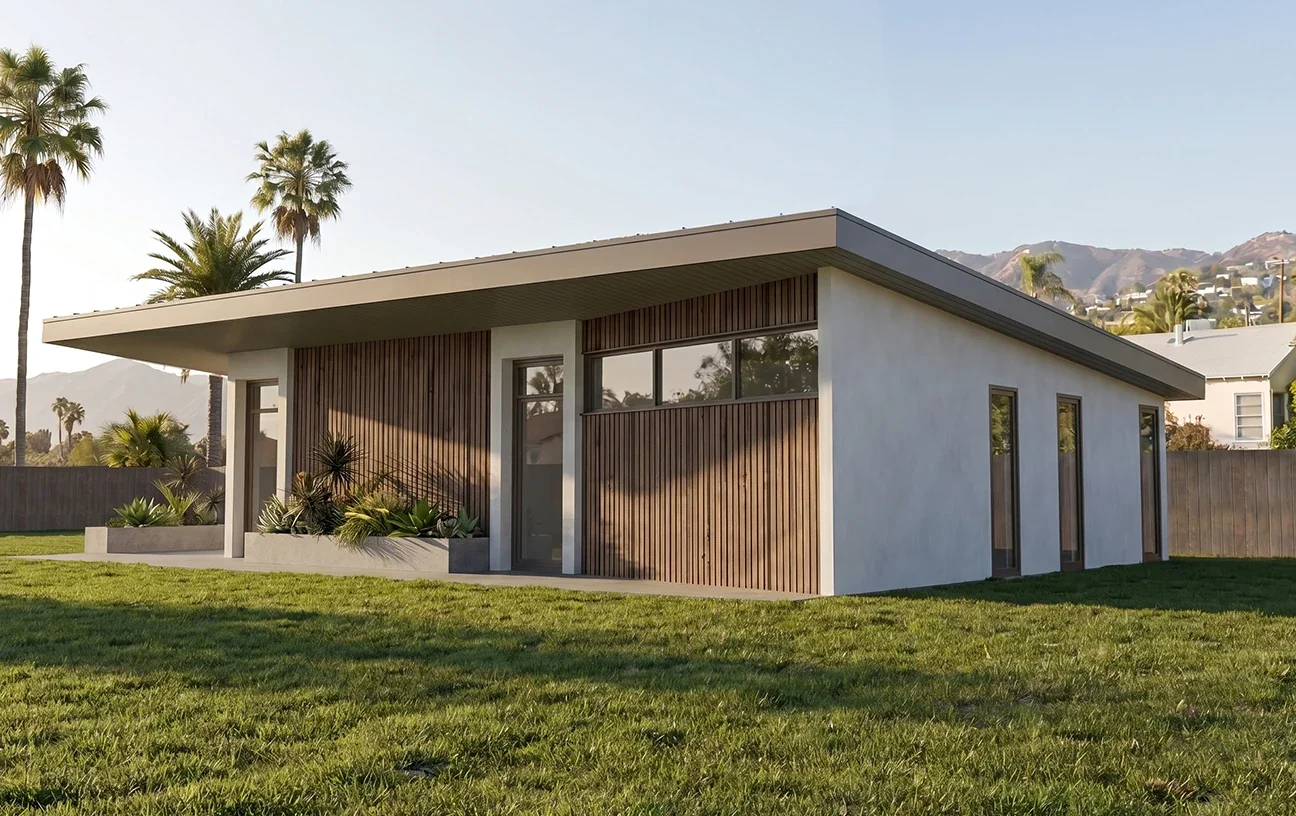
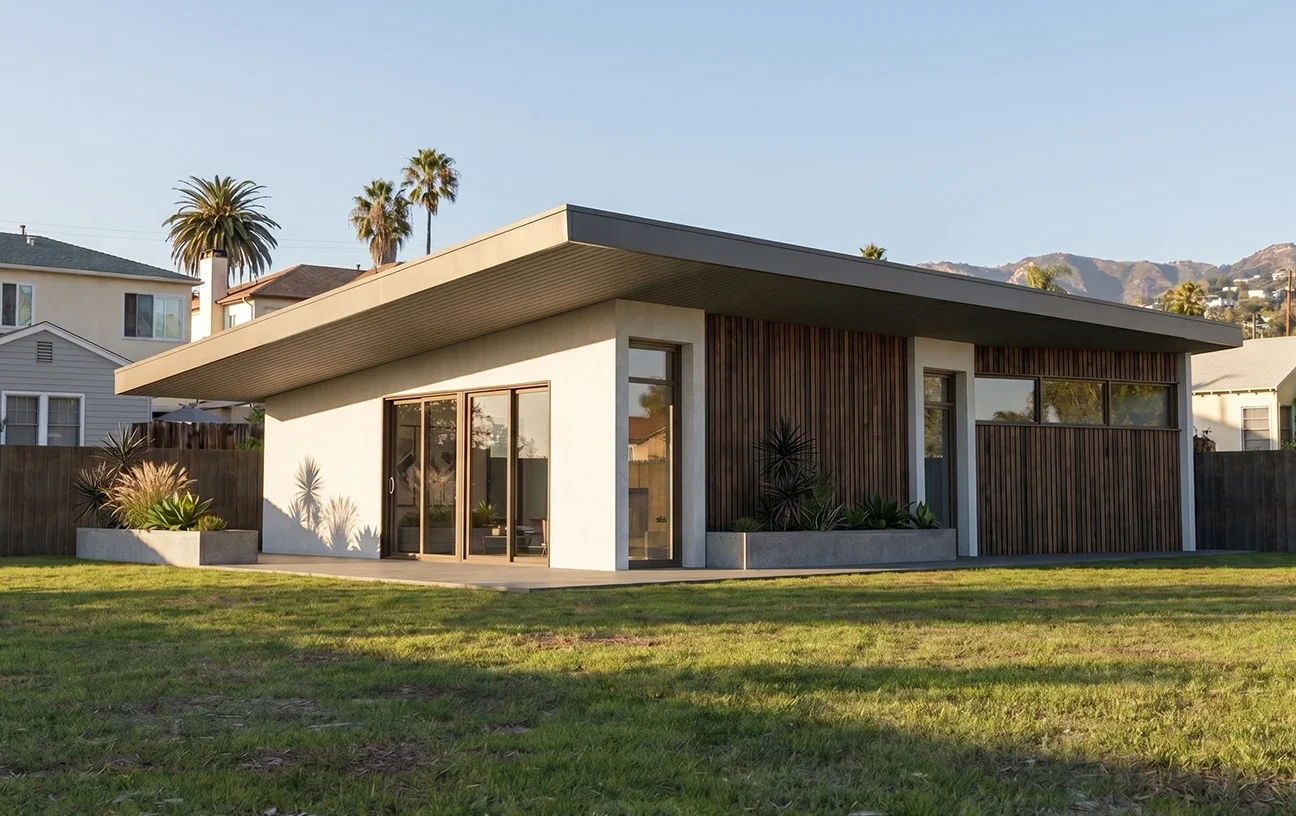
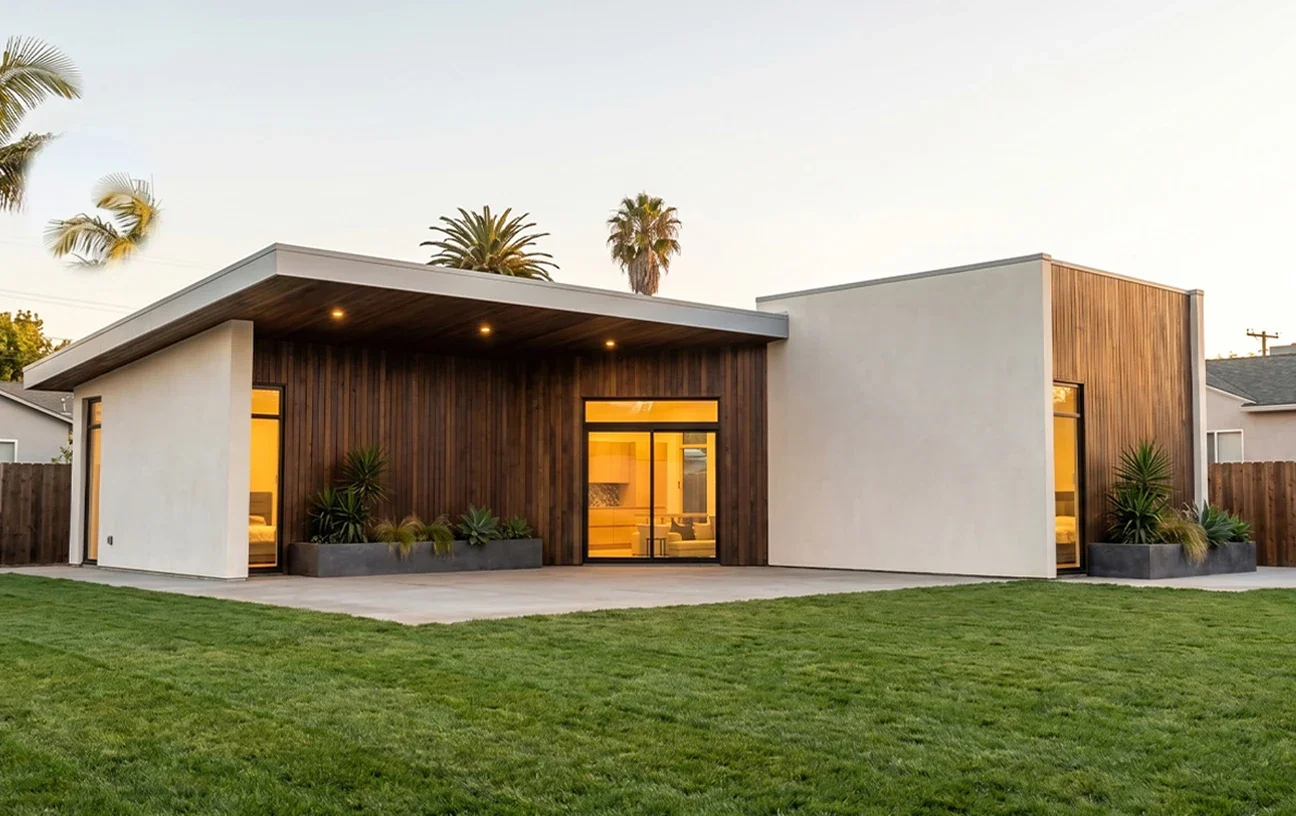
OUR LATEST ADU DESIGNS
What People Say About Us
Local Knowledge Matters in Santa Monica
Santa Monica operates under its own municipal ADU ordinance, which sits alongside state ADU law but includes local conditions that affect what can be built, where, and how quickly. The city's planning department, building department, and plan check process each have their own timelines and requirements — and familiarity with those specifics reduces the back-and-forth that slows projects down.
Setback requirements, parking replacement rules, lot coverage limits, and owner-occupancy provisions are all details that vary between Santa Monica and unincorporated Los Angeles County or nearby jurisdictions. Submitting drawings that don't account for these correctly can lead to correction notices, resubmittals, and unnecessary delays. We build Santa Monica's local requirements into the design from the start.
The rental market in Santa Monica also shapes how we think about ADU design. Long-term tenants consistently prefer units with in-unit laundry, a defined bedroom, strong natural light, and some form of private outdoor space. These features often contribute to stronger rental performance and improved livability. We consider these factors during the design phase rather than after permits are approved.

Let’s Discuss Your ADU!
What an ADU needs
to function as a home
An ADU is not a bonus room or a studio apartment in the loose sense — it is a legally defined, fully independent dwelling unit. California law specifies what that means: a complete kitchen, a bathroom, a sleeping area, and its own entrance. But meeting the legal definition and building a space that genuinely works as a home are two different things.
How these spaces are sized, arranged, and finished determines whether the unit commands strong rental rates, works well for a family member, or simply checks compliance boxes. As your Los Angeles ADU contractor, we build units where every room is considered — not just constructed.
-
KITCHEN
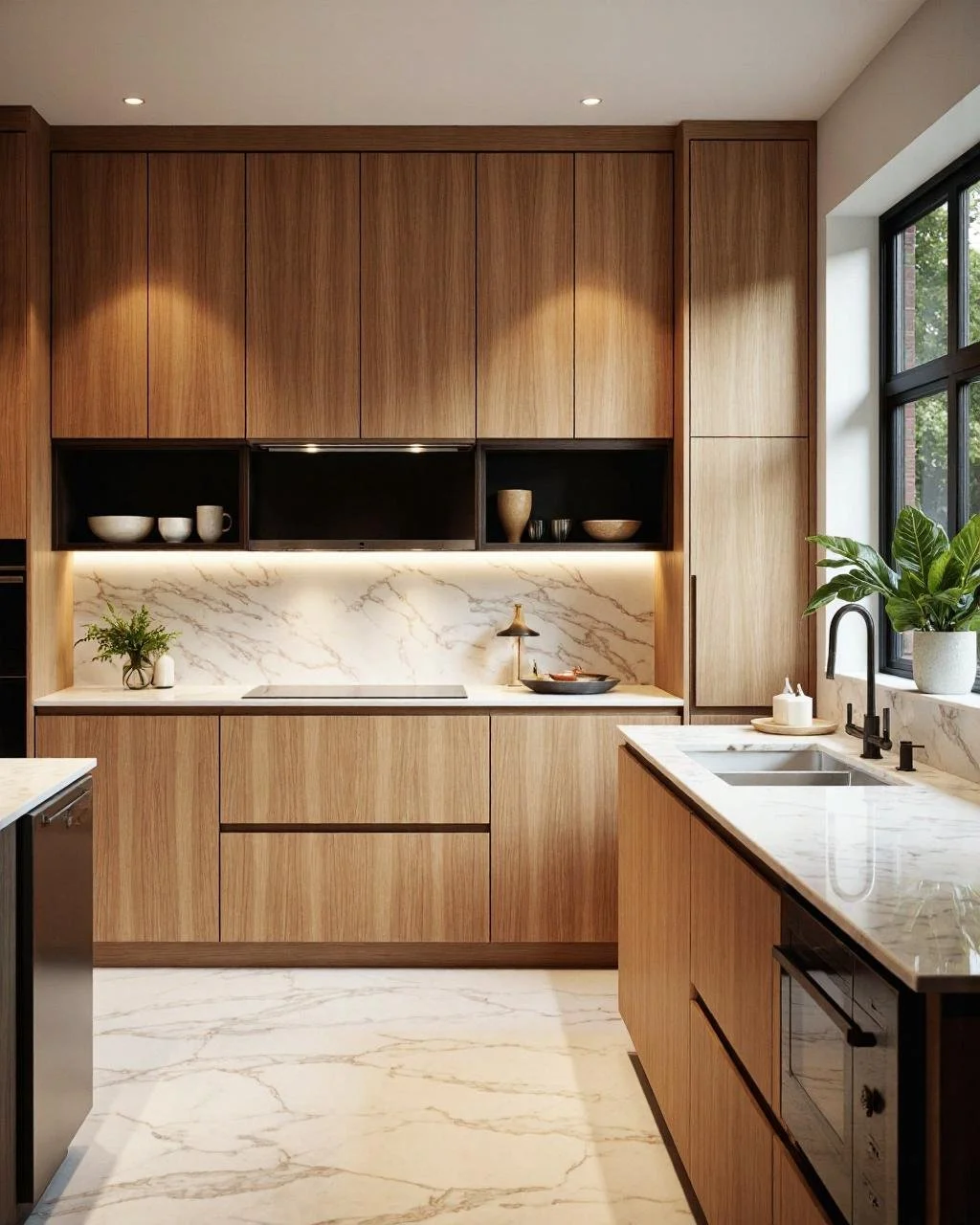
An ADU kitchen needs to be functional, not just present. Counter space, appliance selection, cabinet depth, and ventilation are all considered within the spatial constraints of the unit. We spec ADU kitchens for actual daily use. In a Junior ADU, an efficiency kitchen with a sink and cooktop satisfies the requirement; in a full ADU, a complete kitchen with refrigerator, range, and adequate workspace is both achievable and worth the investment in rentability.
-
BATHROOM
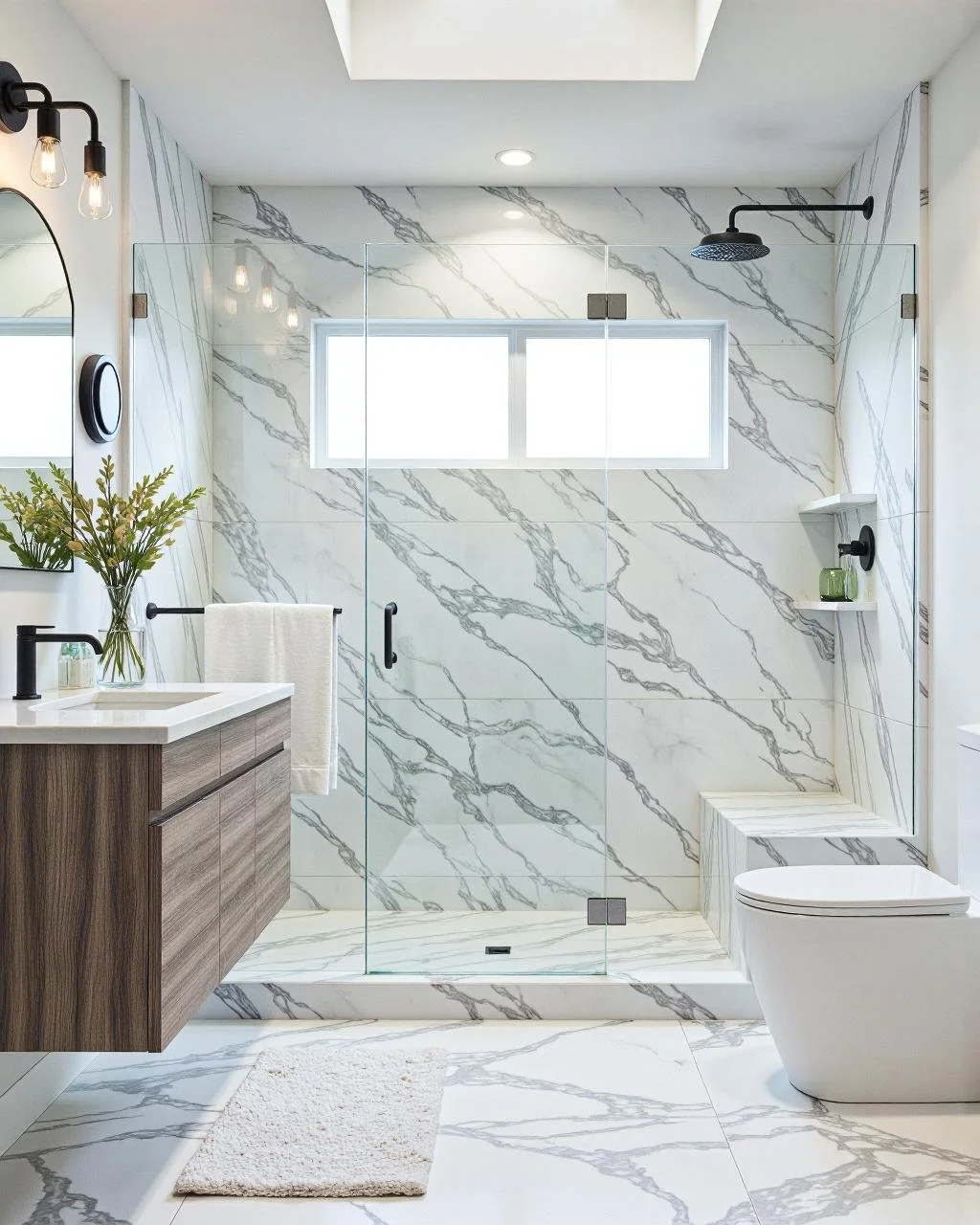
A full bathroom — toilet, sink, and shower or tub — is required in every standard ADU. The layout is constrained by square footage, but thoughtful fixture selection, tile work, lighting, and storage integration can make a compact bathroom feel resolved and well-made. Waterproofing is handled with the same rigour we bring to primary residence bathrooms — because the consequences of shortcuts here compound quickly, especially in a rental context.
-
BEDROOM
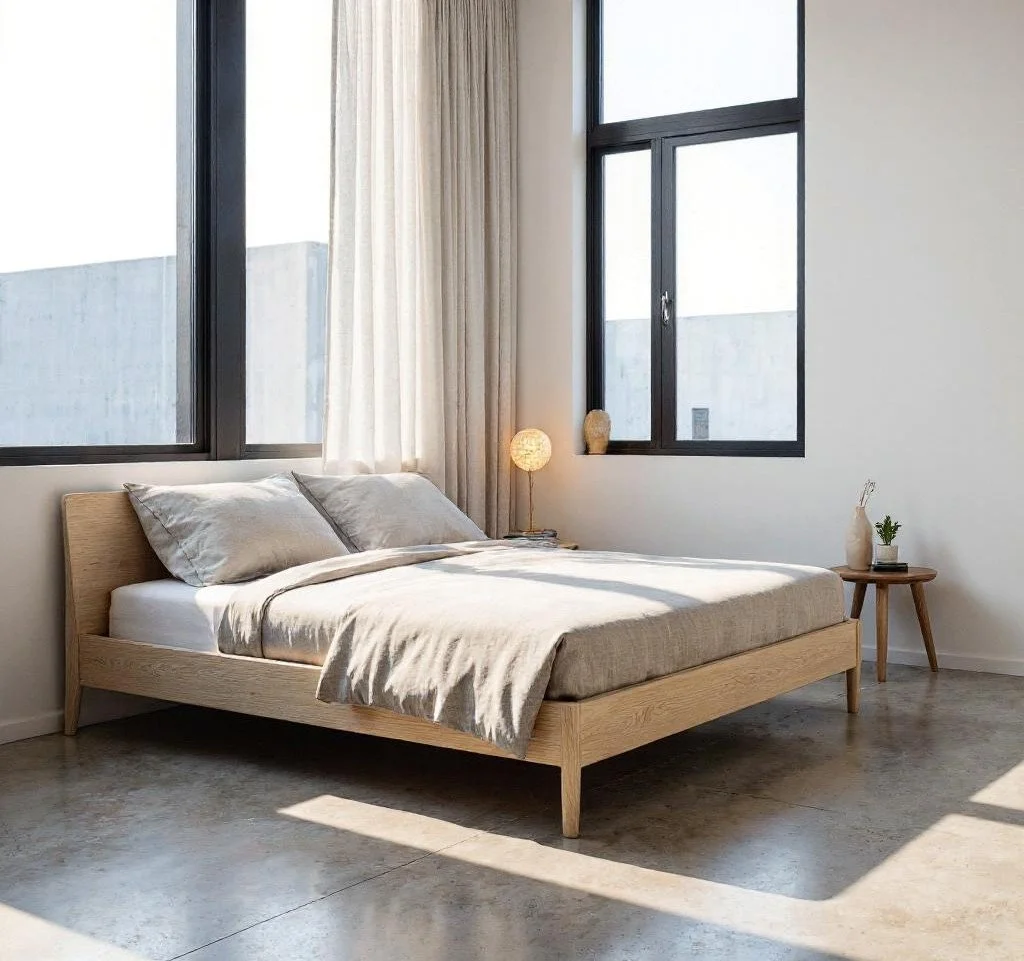
Building code dictates minimum dimensions for habitable sleeping rooms — typically 70 square feet with no dimension less than 7 feet. Beyond compliance, a bedroom in an ADU should feel like a real room: adequate closet space, properly placed windows for natural light and ventilation, and enough clearance to move comfortably. These choices directly affect rental attractiveness and long-term livability.
-
LIVING AREA
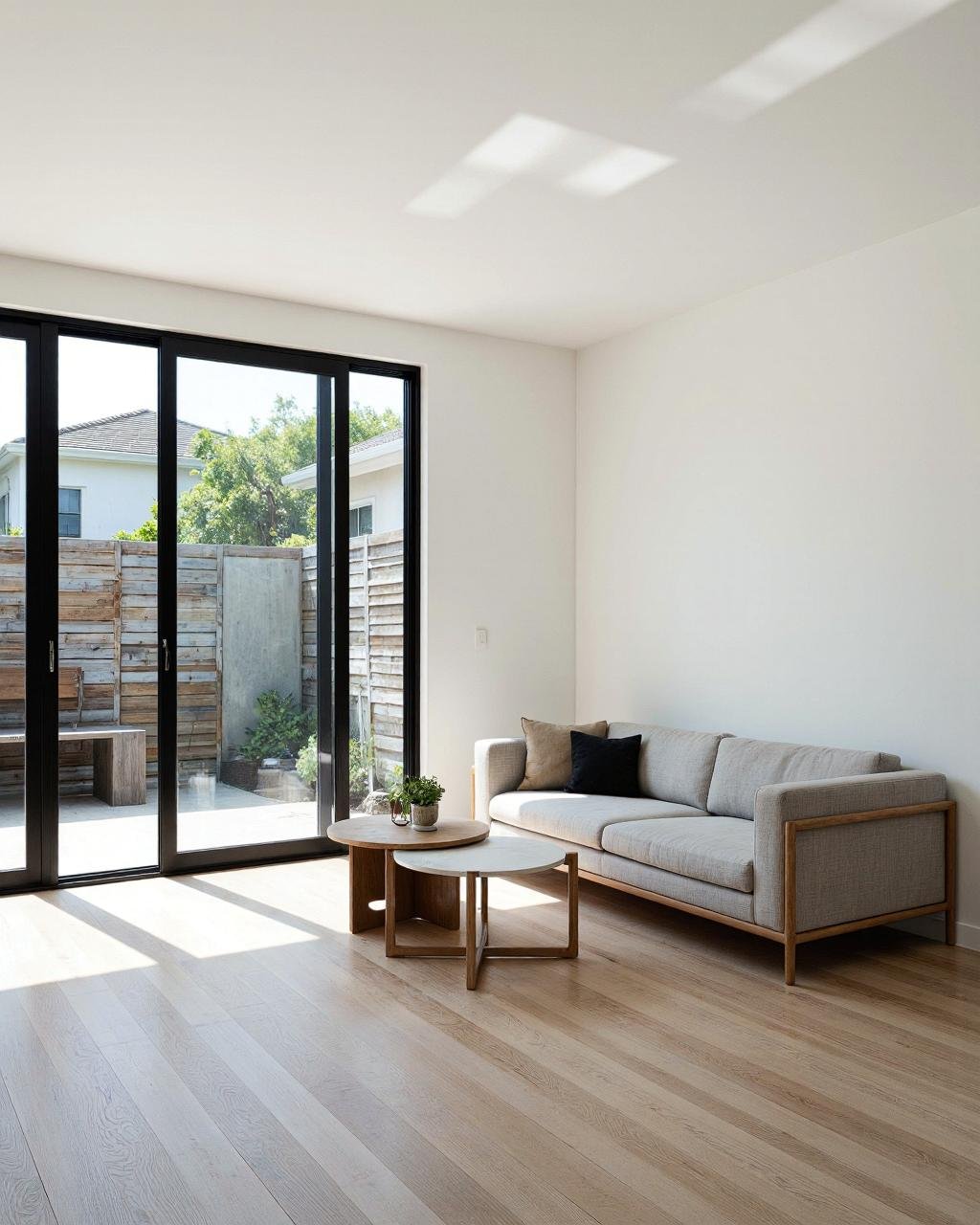
In smaller ADUs, the living area and kitchen often share a single open space. How that combined area is planned — where the kitchen sits relative to natural light, how traffic flows between entry and bedroom, where outlets and media connections land — determines whether the unit feels spacious and livable or cramped and compromised. Open-plan ADU layouts reward spatial planning far more than they do square footage alone.
-
PRIVATE ENTRANCE
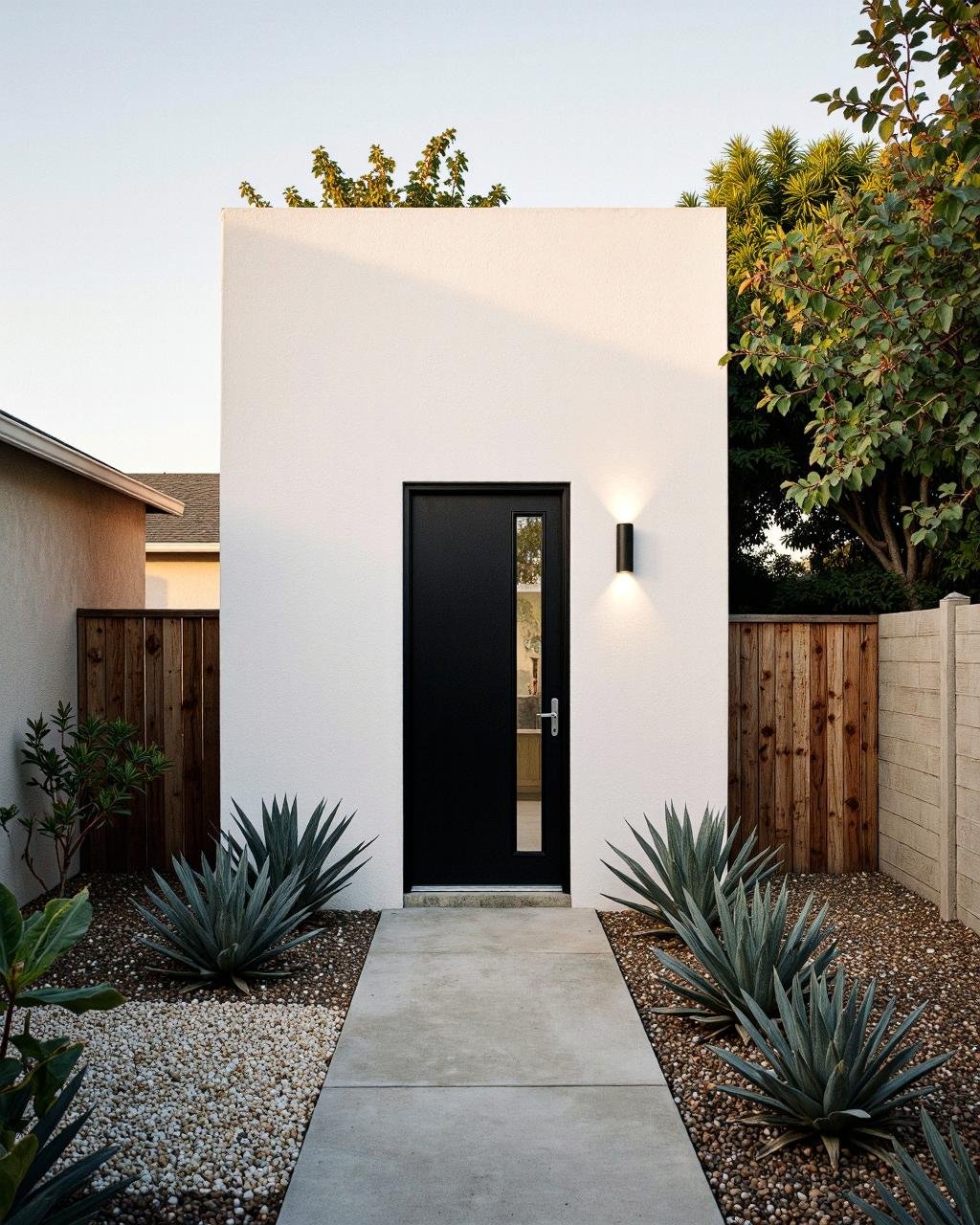
A separate entrance is both a legal requirement and a practical necessity for independent living. Its placement matters: it should provide genuine privacy from the primary residence, connect logically to whatever parking or outdoor space the tenant uses, and be designed with safety and visibility in mind. The entry sequence — the path from the street to the ADU door — is often an afterthought in ADU planning, and rarely should be.
-
LAUNDRY & STORAGE
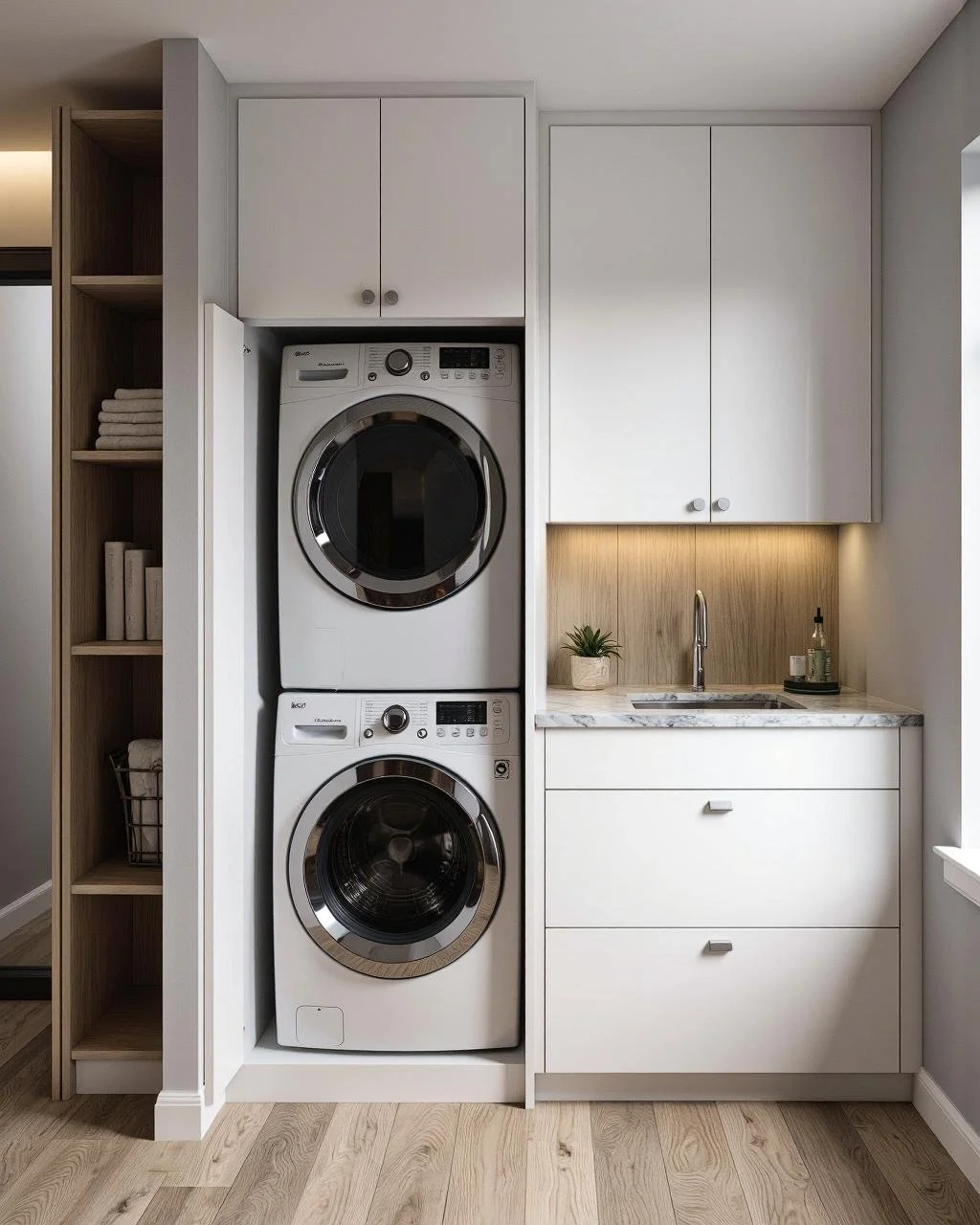
Not code-required but consistently among the most valued features in a Los Angeles ADU rental. In-unit laundry dramatically improves the unit's rentability and reduces friction for long-term tenants. Storage — closets, pantry space, exterior storage where possible — follows the same logic. These are the details that separate an ADU that sits on the rental market from one that leases immediately at full asking price.
We Design With Construction In Mind
SKALWEST combines design and real construction experience. This helps create ADUs that are beautiful and practical.

Frequently Asked Questions about ADU in Santa Monica
Santa Monica is an independent municipality with its own planning and building departments. ADU applications are submitted directly to Santa Monica's Planning & Community Development division, and plan review is conducted by the city's building department. Local requirements regarding setbacks, parking replacement, lot coverage, and other development standards can differ from those in Los Angeles, making local experience especially valuable during the design and permitting process.
Under current regulations, detached ADUs may be built up to 1,200 square feet. Attached ADUs are generally limited to a percentage of the primary residence, up to the same maximum size. Junior ADUs are limited to 500 square feet and must be created within the existing home. We verify all applicable size limits during the feasibility and design phase.
Yes. ADUs may generally be rented for long-term occupancy. Santa Monica has regulations regarding short-term and vacation rentals, so homeowners planning to generate rental income should understand the difference between long-term leasing and short-term rental use.
Most ADU projects take approximately eight to fourteen months from initial consultation through final inspection. The exact timeline depends on project complexity, permitting requirements, city review times, and construction scope.
We provide both ADU design and construction services. Our team assists with floor plans, permit-ready drawings, permitting support, and full construction through final inspection. Homeowners who already have completed plans may also contact us regarding construction-only services.