

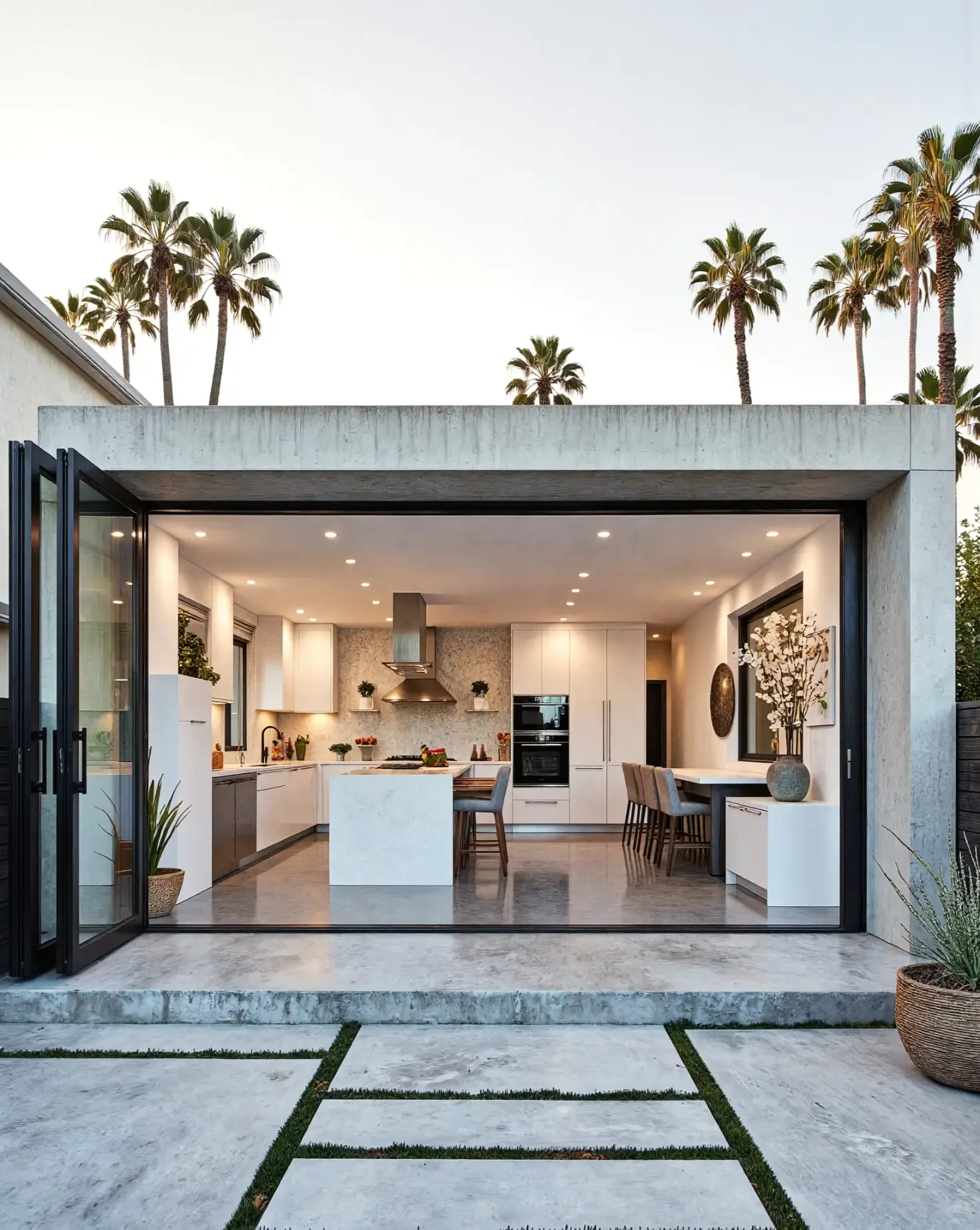
The Los Angeles ADU Contractor
that builds it right.
Small buildings, real impact.
An accessory dwelling unit is one of the most consequential things you can add to a Los Angeles property. The contractor you choose determines whether that investment pays off — or costs you for years.
SKALWEST Construction specializes in ADU design-build services across Los Angeles — from compact studio conversions to fully detached guest houses. We handle permits, manage every trade, and deliver finished units that are built to the standards the city demands and the quality your property deserves.
As an experienced ADU contractor in Los Angeles, we've guided homeowners through the full process — from initial feasibility through final sign-off — on properties across the metro area.
On this page you will find
-
WHAT IS AN ADU
-
TYPES OF ADU in LA
-

SIZE & RULES
-
BENEFITS
-
PERMITS
-
TIMING TO BUILD
ADU IN LOS ANGELES
California changed the rules. Los Angeles followed. And suddenly, the backyard you've been ignoring for years became one of the most valuable assets on your property.
That shift opened the door for homeowners across the metro — in Silver Lake and Eagle Rock, in the Valley, on the Westside — to genuinely consider what an additional dwelling unit could do for their property. Whether the goal is generating rental income, housing a family member, or simply increasing long-term property value, the calculation has changed. The question is no longer whether an ADU makes sense in Los Angeles. It's whether the right contractor is in place to build it well.
The state legislature's ADU reform legislation — enacted and expanded through 2020 and 2021 — fundamentally reshuffled what's possible on a single-family lot in Los Angeles. Setback requirements loosened. Parking mandates were dropped in most cases. Approval timelines were capped. The result: building an ADU in Los Angeles has become more viable than at any point in the city's history.
understanding ADUs
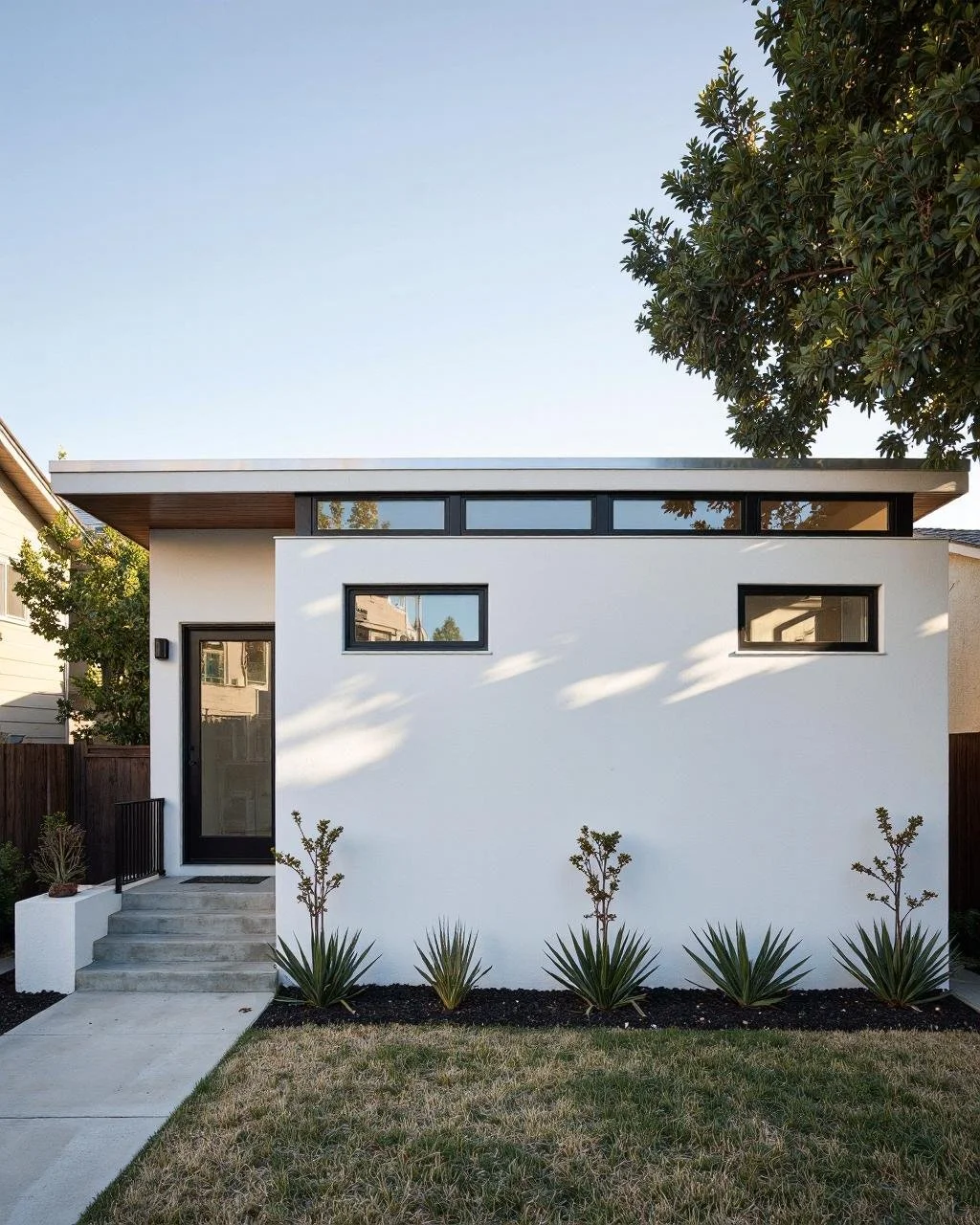
An Accessory Dwelling Unit — or ADU — is a secondary residential unit on the same lot as a primary single-family or multifamily home. It functions as a fully independent living space with its own entrance, kitchen, bathroom, and sleeping area.
What is an ADU in California?
California defines ADUs broadly in its Government Code, and Los Angeles's local ordinances align with and in some cases expand upon state minimums. If you own a single-family home in Los Angeles, you are almost certainly entitled to build at least one — and in many cases two — accessory dwelling units on your property. A standard ADU plus a Junior ADU (JADU) on the same lot is a common and fully legal combination throughout the city.
The ADU can be an entirely new freestanding structure, a conversion of existing space such as a garage or basement, an addition attached to the primary home, or a conversion within the primary structure itself. Each type carries its own set of size limits, setback rules, and permitting requirements — which is precisely why choosing a knowledgeable Los Angeles ADU contractor matters from the very first conversation.
California law also prohibits local agencies from requiring owner-occupancy for ADUs permitted between 2020 and 2025 — a provision that significantly expanded the rental viability of ADU construction across Los Angeles. State law continues to evolve, and working with an ADU contractor in Los Angeles who tracks those changes is a meaningful advantage in the planning phase.
-
1, 200 sq.ft
MAX ADU SIZE IN LA (MOST CASES)
-
500 sq.ft
MAX JUNIOR ADU (JADU) SIZE
-
4 ft.
REAR & SIDE SET BACK, DETACHED ADU
-
Parking
No Parking required in most transit zones

Let’s discuss the possibilities of your ADU!
size & regulations
An Accessory Dwelling Unit — or ADU — is a secondary residential unit on the same lot as a primary single-family or multifamily home. It functions as a fully independent living space with its own entrance, kitchen, bathroom, and sleeping area.
How big can an ADU be in Los Angeles?
Size limits for ADUs in Los Angeles depend on the type of unit being built, the zoning of the underlying property, and in some cases the size of the primary dwelling. The state has set a floor — local agencies cannot impose limits more restrictive than state minimums — but Los Angeles's own ordinances provide a clear framework for most residential properties.
For detached ADUs, the general maximum is 1,200 square feet. The city also allows ADUs of up to 850 square feet for studios and one-bedrooms, and up to 1,000 square feet for two-bedroom units when no setback waiver is needed. Attached ADUs cannot exceed 50 percent of the primary dwelling's square footage, with the 1,200 square foot cap still applying.
Garage conversions are treated somewhat differently — the converted space is not subject to the same setback requirements that apply to new construction, making them an efficient option on lots with tight rear yards. Height limits for detached ADUs are capped at 16 feet in most residential zones, though additional stories may be permissible in multifamily zones under specific conditions.
Lot coverage, floor-area ratio, and existing structure conditions all factor into the final buildable envelope on any given property. Our team assesses these parameters early in the process so that planning begins with an accurate picture of what's actually achievable — not an optimistic number that gets revised after permits are submitted.
ADU Type
Max Size
Detached ADU (1-2 bed)
Up to 1200 sq, ft
Detached ADU (studio/1bed)
Up to 850 sq. ft
Attached ADU
50% of primary, max 1200 sq. ft
Junior ADU (JADU)
Up to 500 sq. ft
Rear & side setbacks
4 ft. (detached new construction)
Garage Conversion ADU
Existing footprint (expansions allowed)
16 ft. maximum
Height (detached, residential zone)
Four ways to add a
dwelling unit in Los Angeles
types of ADU
Not every property is suited to every type of ADU, and not every type serves every homeowner's goal equally well. Understanding the differences — and how they interact with your specific property and budget — is where the planning process properly begins.
Type 01
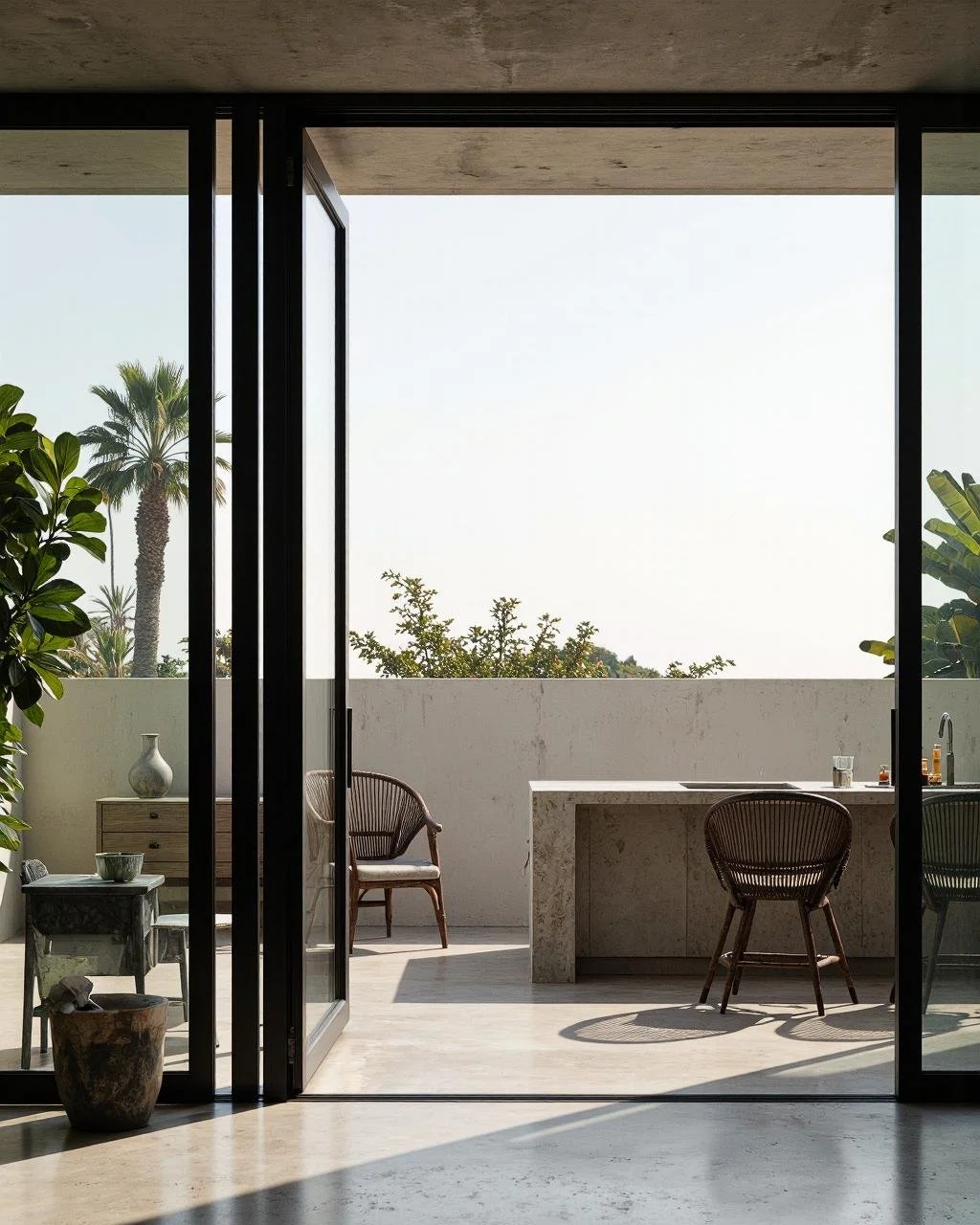
Detached ADU
Freestanding Structure · New Construction
Size limits for ADUs in Los Angeles depend on the type of unit being built, the zoning of the underlying property, and in some cases the size of the primary dwelling. The state has set a floor — local agencies cannot impose limits more restrictive than state minimums — but Los Angeles's own ordinances provide a clear framework for most residential properties.
For detached ADUs, the general maximum is 1,200 square feet. The city also allows ADUs of up to 850 square feet for studios and one-bedrooms, and up to 1,000 square feet for two-bedroom units when no setback waiver is needed. Attached ADUs cannot exceed 50 percent of the primary dwelling's square footage, with the 1,200 square foot cap still applying.
MOST DESIGN FLEXIBILITY
Type 02
Attached ADU
Addition to Primary Home · Shared Wall
An addition that expands the footprint of the primary residence and includes a fully self-contained living unit with its own entrance, kitchen, and bathroom. Attached ADUs share at least one wall with the main home, which can reduce construction costs compared to a fully detached structure — but requires careful attention to acoustic separation, fire-rated assemblies, and how the new unit integrates architecturally with the existing building. The size limit is 50 percent of the primary dwelling's floor area, capped at 1,200 square feet. On narrower lots where rear yard space is limited, an attached configuration often makes more sense than a detached build.
OFTEN COST-EFFECTIVE
Type 03
Garage Conversion ADU
Existing Structure · Interior Conversion
Converting an existing garage into a fully habitable dwelling unit is one of the most common ADU approaches in Los Angeles — and for good reason. The structural shell already exists, setback requirements are typically waived for the existing footprint, and the permitting process is often more straightforward than for new construction. What the conversion requires is thorough preparation: insulation, waterproofing, plumbing and electrical upgrades, window and door modifications, and in many cases foundation work to bring the slab up to residential code. A garage conversion done poorly produces a unit that feels like a converted garage. Done well, it produces a genuinely livable home.
FASTEST TO PERMIT
Type 04
Junior ADU (JADU)
Within Primary Dwelling · Up to 500 sq ft
An addition that expands the footprint of the primary residence and includes a fully self-contained living unit with its own entrance, kitchen, and bathroom. Attached ADUs share at least one wall with the main home, which can reduce construction costs compared to a fully detached structure — but requires careful attention to acoustic separation, fire-rated assemblies, and how the new unit integrates architecturally with the existing building. The size limit is 50 percent of the primary dwelling's floor area, capped at 1,200 square feet. On narrower lots where rear yard space is limited, an attached configuration often makes more sense than a detached build.
LOWEST BARRIER TO ENTRY
What an ADU needs
to function as a home
inside an ADU
An ADU is not a bonus room or a studio apartment in the loose sense — it is a legally defined, fully independent dwelling unit. California law specifies what that means: a complete kitchen, a bathroom, a sleeping area, and its own entrance. But meeting the legal definition and building a space that genuinely works as a home are two different things.
How these spaces are sized, arranged, and finished determines whether the unit commands strong rental rates, works well for a family member, or simply checks compliance boxes. As your Los Angeles ADU contractor, we build units where every room is considered — not just constructed.
-
KITCHEN
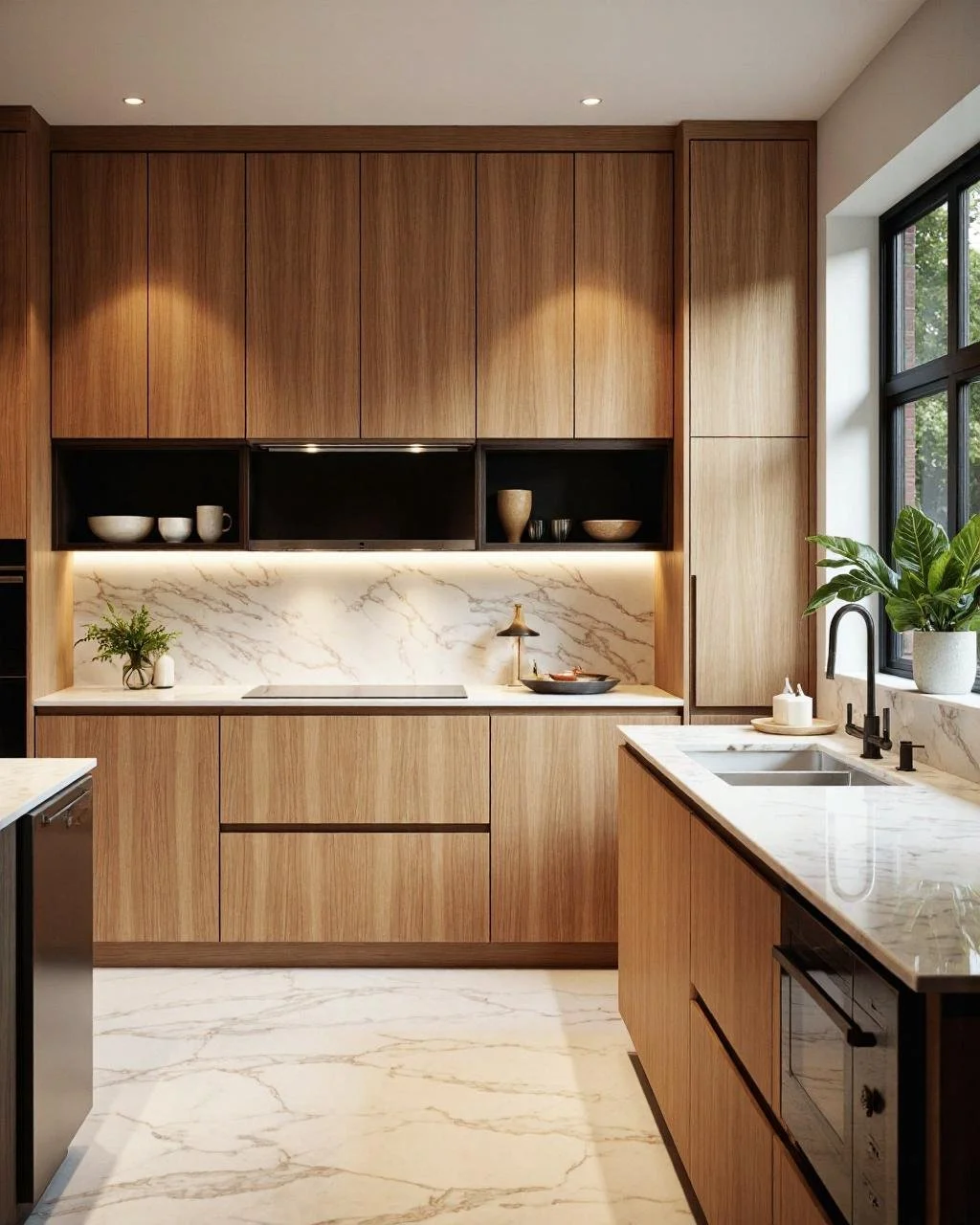
An ADU kitchen needs to be functional, not just present. Counter space, appliance selection, cabinet depth, and ventilation are all considered within the spatial constraints of the unit. We spec ADU kitchens for actual daily use. In a Junior ADU, an efficiency kitchen with a sink and cooktop satisfies the requirement; in a full ADU, a complete kitchen with refrigerator, range, and adequate workspace is both achievable and worth the investment in rentability.
-
BATHROOM
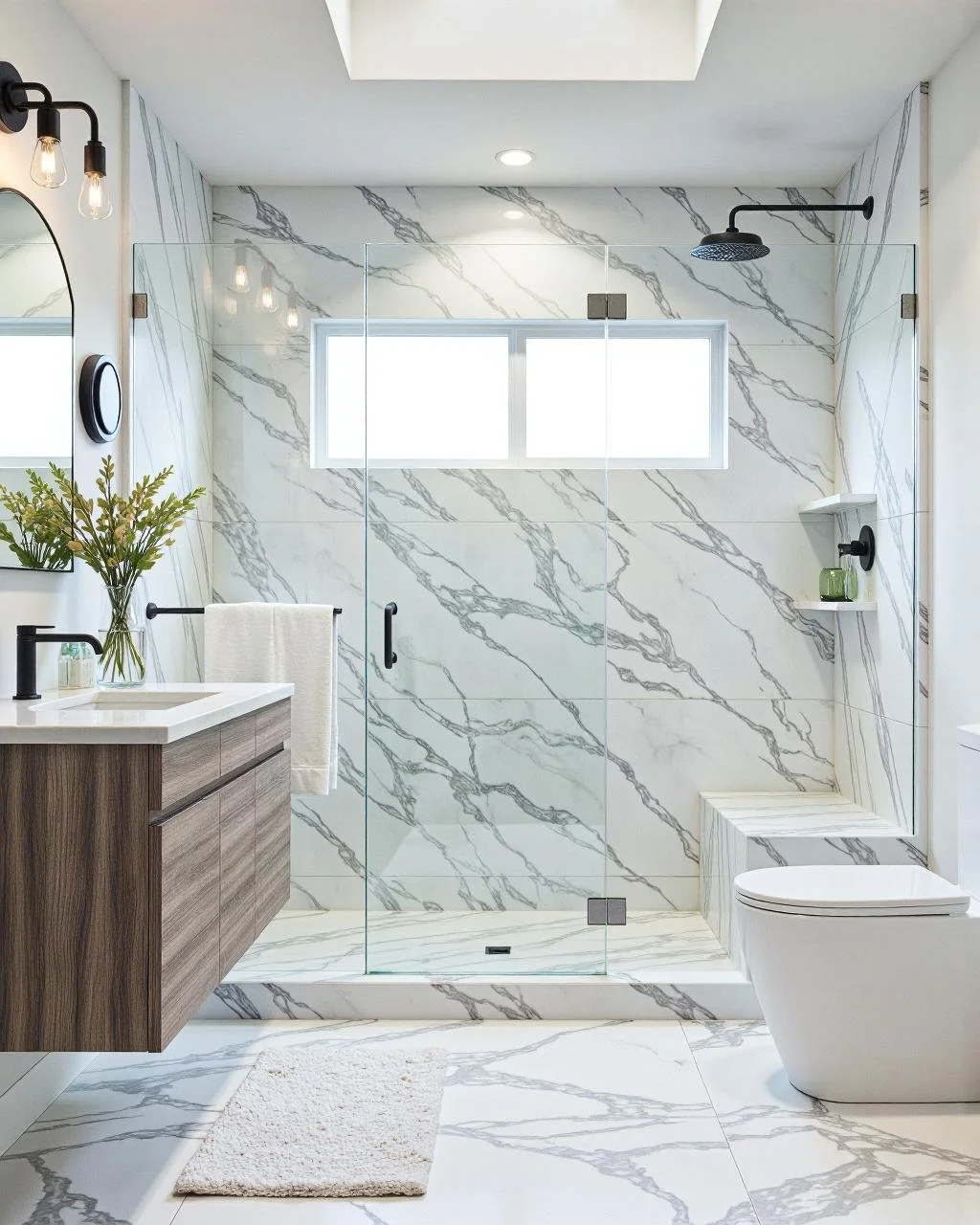
A full bathroom — toilet, sink, and shower or tub — is required in every standard ADU. The layout is constrained by square footage, but thoughtful fixture selection, tile work, lighting, and storage integration can make a compact bathroom feel resolved and well-made. Waterproofing is handled with the same rigour we bring to primary residence bathrooms — because the consequences of shortcuts here compound quickly, especially in a rental context.
-
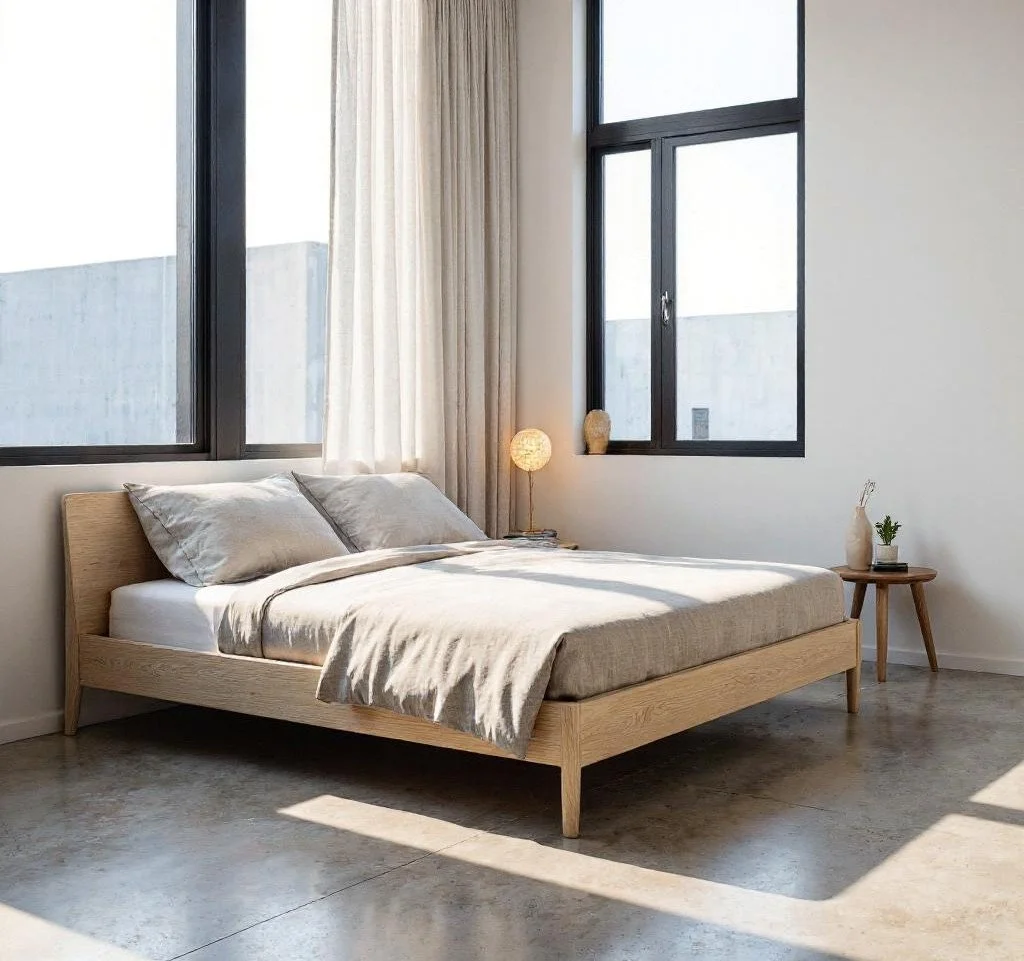
BEDROOM
Building code dictates minimum dimensions for habitable sleeping rooms — typically 70 square feet with no dimension less than 7 feet. Beyond compliance, a bedroom in an ADU should feel like a real room: adequate closet space, properly placed windows for natural light and ventilation, and enough clearance to move comfortably. These choices directly affect rental attractiveness and long-term livability.
-
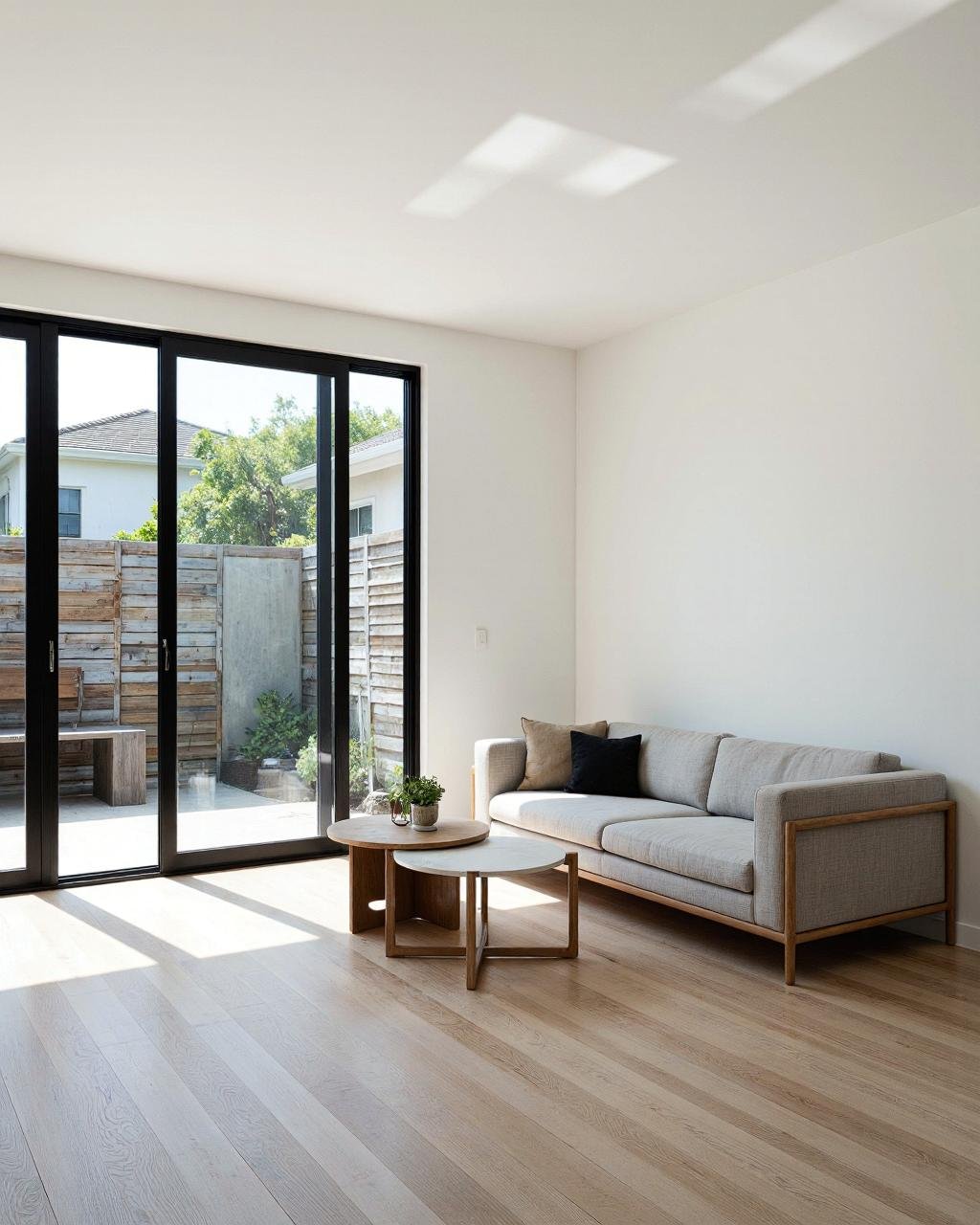
LIVING AREA
In smaller ADUs, the living area and kitchen often share a single open space. How that combined area is planned — where the kitchen sits relative to natural light, how traffic flows between entry and bedroom, where outlets and media connections land — determines whether the unit feels spacious and livable or cramped and compromised. Open-plan ADU layouts reward spatial planning far more than they do square footage alone.
-
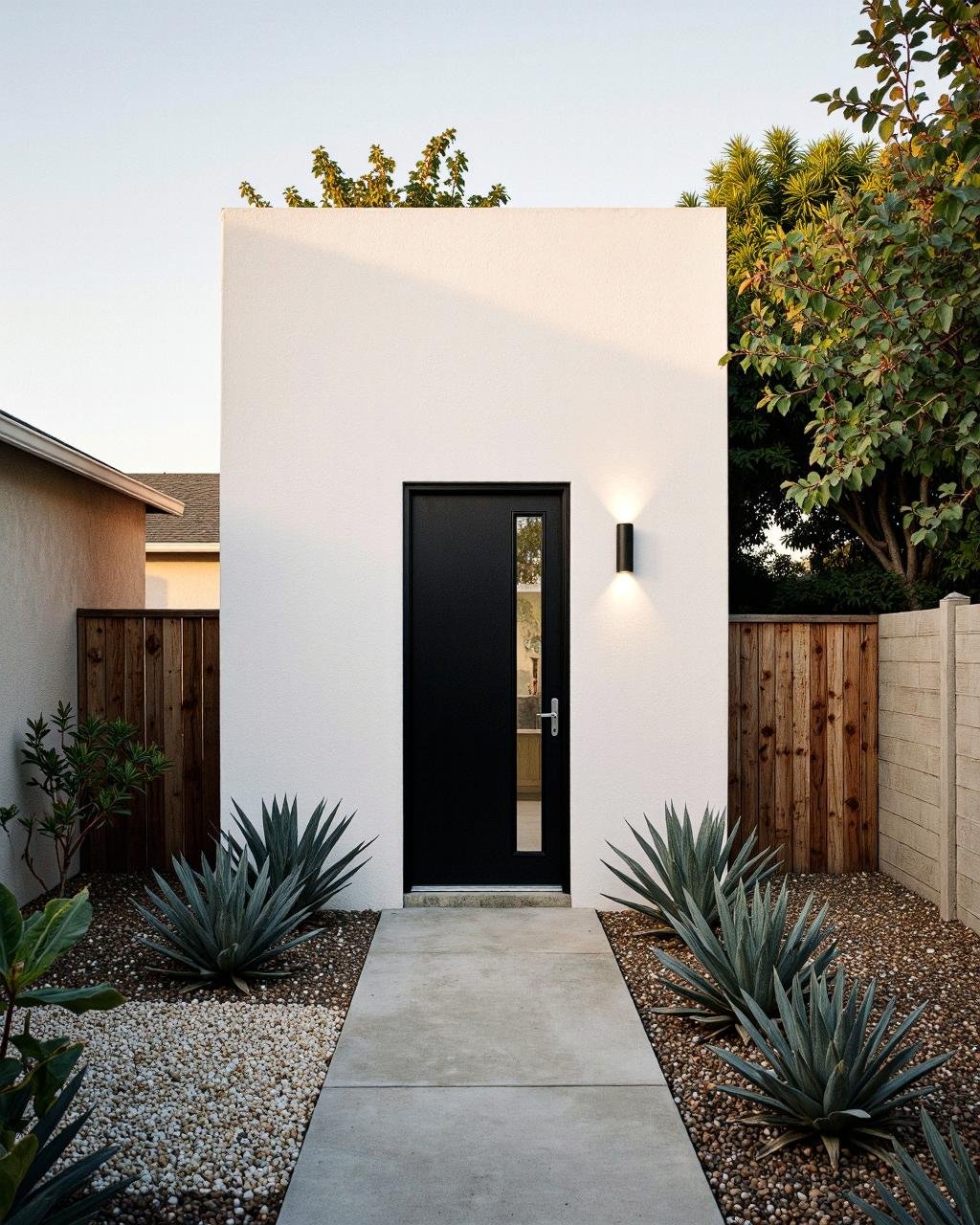
PRIVATE ENTRANCE
A separate entrance is both a legal requirement and a practical necessity for independent living. Its placement matters: it should provide genuine privacy from the primary residence, connect logically to whatever parking or outdoor space the tenant uses, and be designed with safety and visibility in mind. The entry sequence — the path from the street to the ADU door — is often an afterthought in ADU planning, and rarely should be.
-
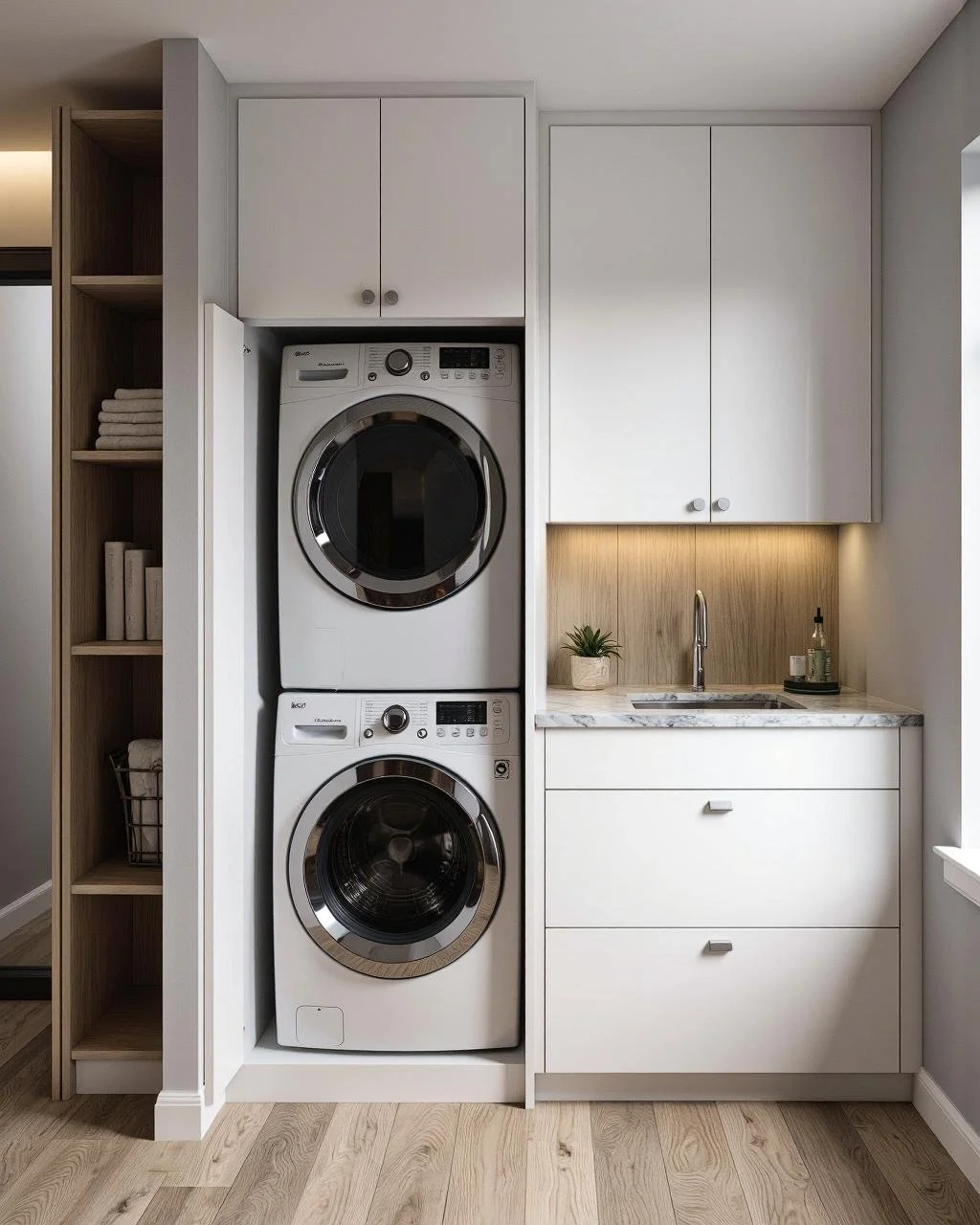
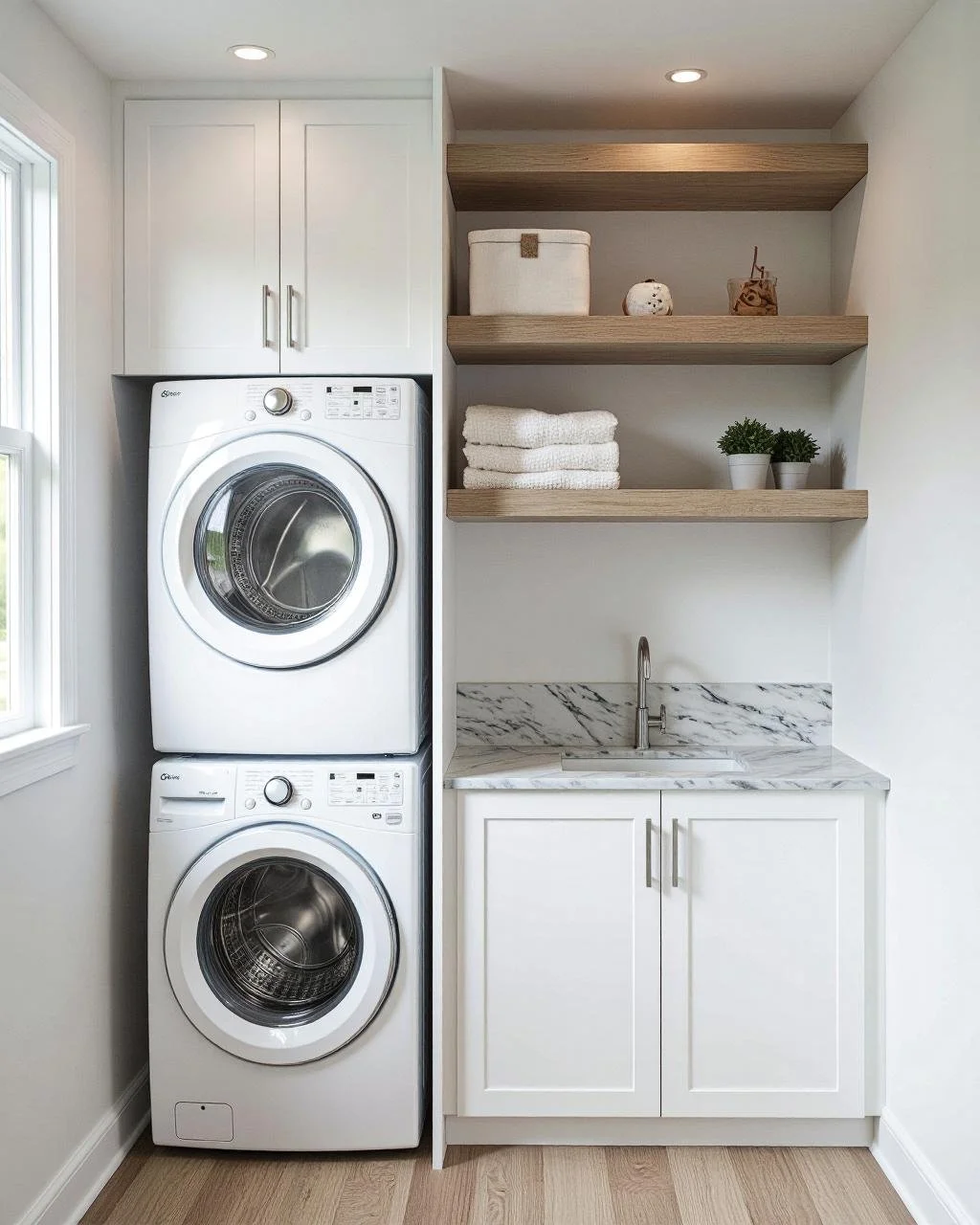
LAUNDRY & STORAGE
Not code-required but consistently among the most valued features in a Los Angeles ADU rental. In-unit laundry dramatically improves the unit's rentability and reduces friction for long-term tenants. Storage — closets, pantry space, exterior storage where possible — follows the same logic. These are the details that separate an ADU that sits on the rental market from one that leases immediately at full asking price.
Navigating the LA permitting process
Los Angeles's permitting system for ADUs has improved meaningfully since California's reform legislation came into effect. The city now offers a pre-approved ADU plan program — a library of permit-ready standard designs that can significantly reduce approval timelines for homeowners open to working within those parameters. For custom designs, the standard over-the-counter and plan check pathways apply, with timelines that vary by project complexity and current queue volumes at LADBS.
What hasn't changed is the importance of getting documentation right the first time. Incomplete applications, drawings that don't satisfy plan check comments, and specifications that don't align with zoning conditions all add weeks or months to the timeline — and those delays carry real cost implications once a contractor is mobilized and materials are ordered. Our permitting strategy is built around prevention, not correction.
Impact fees for ADUs under 750 square feet are prohibited under California law. For units between 750 and 1,200 square feet, fees are proportional to the ADU size relative to the primary dwelling. Understanding this threshold is relevant to ADU sizing decisions — and it's one of many regulatory details that shapes project economics from the outset.
Before any drawings are prepared, we evaluate what your specific property can support — lot size, existing structures, zoning designation, deed restrictions, easements, and utility connections. This prevents investing in design work for an ADU configuration that turns out to be non-approvable.
Property Feasibility Assessment
Construction & Inspections
Work proceeds with all required inspections scheduled at the right phases — foundation, framing, rough MEP, insulation, and final. Each inspection confirms the work meets code, and passing them correctly the first time is a function of both construction quality and documentation discipline. We treat inspections as verification of work, not administrative hurdles.
Architectural drawings, structural calculations, Title 24 energy compliance documentation, and any required soils or survey reports are prepared to LADBS standards. If your project qualifies for the pre-approved ADU plan pathway, we'll identify that early. Custom designs are documented to minimize plan check comments.
Design & Documentation
Final inspection and Certificate of Occupancy issuance marks the point at which the ADU is legally habitable and can be occupied or rented. We ensure all punch list items, final utility connections, and documentation are in order before requesting the final inspection — because a failed final is an avoidable outcome.
Certificate of Occupancy
Applications are submitted with complete documentation. We respond to plan check comments promptly and accurately, and track the application through the review process. Utility coordination — for new sewer laterals or electrical service upgrades — begins in parallel so infrastructure doesn't delay construction start. See our page about garage conversion statistics and details here.
Permit Submission & Plan Check

"In a city where housing is scarce, buildable land is finite, and rents have climbed for a decade, the question for Los Angeles homeowners isn't whether an ADU adds value. It's whether to build one now or wish they had built it sooner."
The cases for adding
an ADU to your LA property
Why build an ADU?
The decision to build an ADU on a Los Angeles property is rarely driven by a single factor. For most homeowners, it's a convergence of financial logic, changing household needs, and a recognition that the property is an underutilized asset. Here is how we think about the case for ADU construction — plainly, without inflated projections.
Rental Income That Changes the Financial Picture
Los Angeles rental rates in most neighborhoods make a well-built ADU a meaningful income-generating asset. A 600–800 square foot unit in a desirable area can command monthly rents that, over time, cover a significant portion of construction costs — and then continue generating income for decades. The return profile depends on location, unit quality, and market conditions, but the underlying math in Los Angeles is favorable in a way that few other markets match.
Flexibility That Grows With Your Needs
What an ADU is used for today doesn't have to be what it's used for in five or ten years. A unit rented to a tenant now can become a home office, a space for a returning family member, or long-term care housing later. This adaptability is part of what makes ADU construction a particularly durable investment — the structure doesn't change; only how it's used does.
The ability to house aging parents, adult children, or other family members in a separate but proximate structure is something the traditional single-family home doesn't accommodate well. An ADU solves that problem with genuine independence on both sides — separate entrances, separate living spaces, no shared walls if built detached — while keeping family within a short walk. This is one of the most common drivers of ADU construction among the Los Angeles homeowners we work with.
Multi-Generational Living on One Property
Housing a City That Needs More of It
Los Angeles has a housing shortage that affects every neighborhood, every income level, and every demographic in the city. ADUs contribute to the housing supply in a way that requires no rezoning, no large development, and no disruption to existing neighborhood character. Building one is a local act with a civic dimension — adding a unit of housing to a city that needs every one it can get, on land that already exists and is already served by infrastructure.
Property Value That Outlasts Any Single Tenant
A permitted, well-built ADU increases assessed property value and expands the buyer pool when the time comes to sell. Buyers in Los Angeles increasingly factor ADU income potential into their offers — and properties with existing, legally permitted units command premiums that reflect it. The value accrues from the structure itself, not from whoever happens to be occupying it.
A Building Process That's Actually Manageable
ADU construction has a defined scope, a clear permitting pathway, and a manageable timeline compared to more complex projects. When managed by an experienced Los Angeles ADU contractor, the process from planning to occupancy typically ranges from eight to fourteen months depending on the type of unit. That's a substantial project — but it's also a tractable one, with a clear beginning and a clear end, and a fully finished asset to show for it.
Why Los Angeles homeowners
choose us as their ADU contractor
SKALWEST FOR ADU
There are a lot of contractors in Los Angeles who will tell you they build ADUs. Fewer have the depth of experience across all four ADU types, the permitting knowledge to navigate LADBS efficiently, and the construction management to execute a finished unit at a consistent quality level.
SKALWEST Construction operates as a general contractor — which means we manage the entire project, not just the framing or the finish work. Every trade that touches your ADU is coordinated under our oversight, with sequencing, scheduling, and quality control managed as a single integrated process rather than handed off between disconnected subcontractors.
We work across the Los Angeles metro — from the Westside to the San Fernando Valley, from South Bay to the Foothills — with a consistent approach on every project: careful planning, transparent communication, and construction that holds up under inspection and over time.
We manage the complete process — from feasibility and design through permitting, construction, and Certificate of Occupancy. Homeowners work with one point of contact rather than coordinating independently between an architect, a permit expediter, and a general contractor.
Full-Service ADU Design-Build
Detached new construction, attached additions, garage conversions, and Junior ADUs each require a different construction approach and permitting pathway. We have direct experience across all four — which means the recommendation we make for your property is based on what actually works best for your lot, not what we happen to specialize in.
All Four ADU Types
Permit timelines in Los Angeles are directly affected by how well applications are prepared. Our documentation is thorough, our drawings are code-compliant, and our response to plan check comments is prompt — which collectively reduces the elapsed time between submission and approval.
Deep LADBS Permitting Experience
A valid California contractor's license, comprehensive general liability insurance, and workers' compensation coverage are the baseline requirements for any legitimate ADU contractor in Los Angeles. We hold all three, and homeowners can verify our license status independently through the CSLB at any time.
Licensed, Insured & Accountable
SKALWEST Construction completes garage conversions and ADU projects across Los Angeles and neighboring areas such as Santa Monica, Pasadena, Torrance, Altadena, Manhattan Beach, Hermosa Beach, Redondo Beach, Malibu, and Beverly Hills. We convert underused garages into practical, self-contained living areas designed for rental use, family members, guest accommodations, or creative workspaces. Every conversion begins with thoughtful planning, structural review, and compliance with local regulations. Our team oversees the entire process — from concept and layout development through construction and finishing. The completed space is integrated with the existing home, creating a natural extension that is both functional and comfortable.