ADU Types in Los Angeles

Accessory Dwelling Units (ADUs) have become a common way to add usable living space to residential properties across Los Angeles. Whether the goal is rental income, housing for family members, or a flexible private space, ADUs offer several design and construction options. Each type — detached, attached, garage conversion, or interior unit — comes with different levels of cost, privacy, and layout flexibility. Understanding how these options compare makes it easier to choose the right approach for your property.

ADU Contractor in LA

1.DETACHED ADU

Perpsective Rendering of 2 car garage ADU conversion in LA
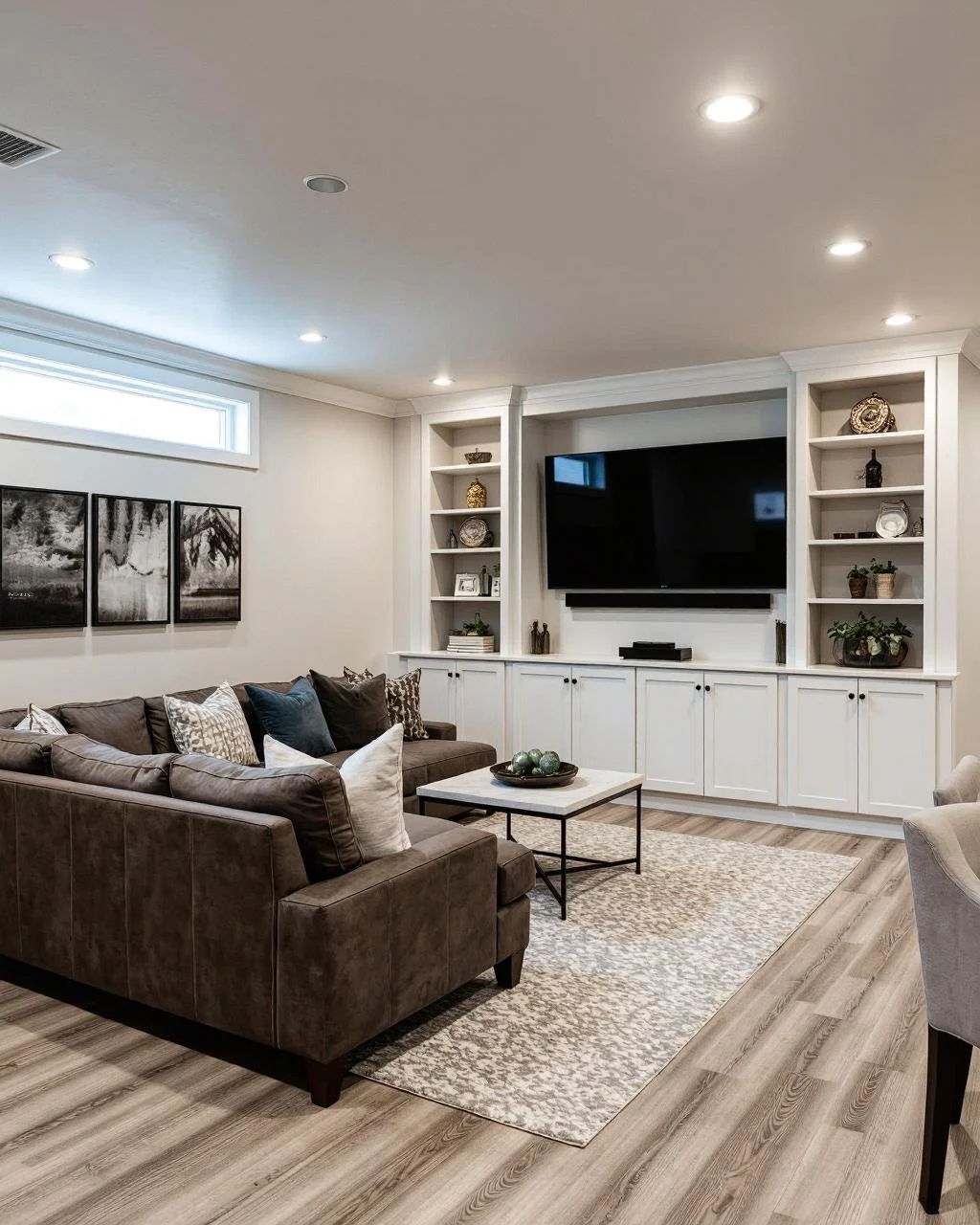
ADU Living Room Example in light tones, with leather sofa
ADU Types in Los Angeles

Detached ADU

A detached ADU is a separate residential structure built on the same lot as the main home, typically placed in the backyard. Unlike an attached unit or a garage conversion, it stands independently and functions as a fully self-contained living space.

Because it is physically separated from the main house, a detached ADU creates a clearer sense of privacy and independence. This makes it a strong option for long-term rental, guest use, extended family living, or a private studio.

Why homeowners choose a detached ADU

A detached ADU offers a more complete living environment. The layout is not limited by the structure of the existing house, which allows for better space planning, stronger access to natural light, and more freedom in the overall design of the unit.

Greater Privacy

Since the structure stands apart from the main residence, it creates a more independent living experience for tenants, guests, or family members.

Stronger Rental Appeal

Detached ADUs often feel more like small standalone homes, which can make them more attractive for long-term rental use and more valuable over time.

Flexible Use

The space can serve as a guest house, in-law unit, rental, office, creative studio, or private retreat depending on how the needs of the property change over time.

More Design Freedom

Because it is a new independent structure, there is usually more freedom in shaping the layout, openings, orientation, and exterior character of the unit.

Detached ADUs typically require a higher investment than garage conversions or attached units because they involve new construction, foundation work, and full utility planning. At the same time, they often provide the most complete and independent result.

2.ATTACHED ADU

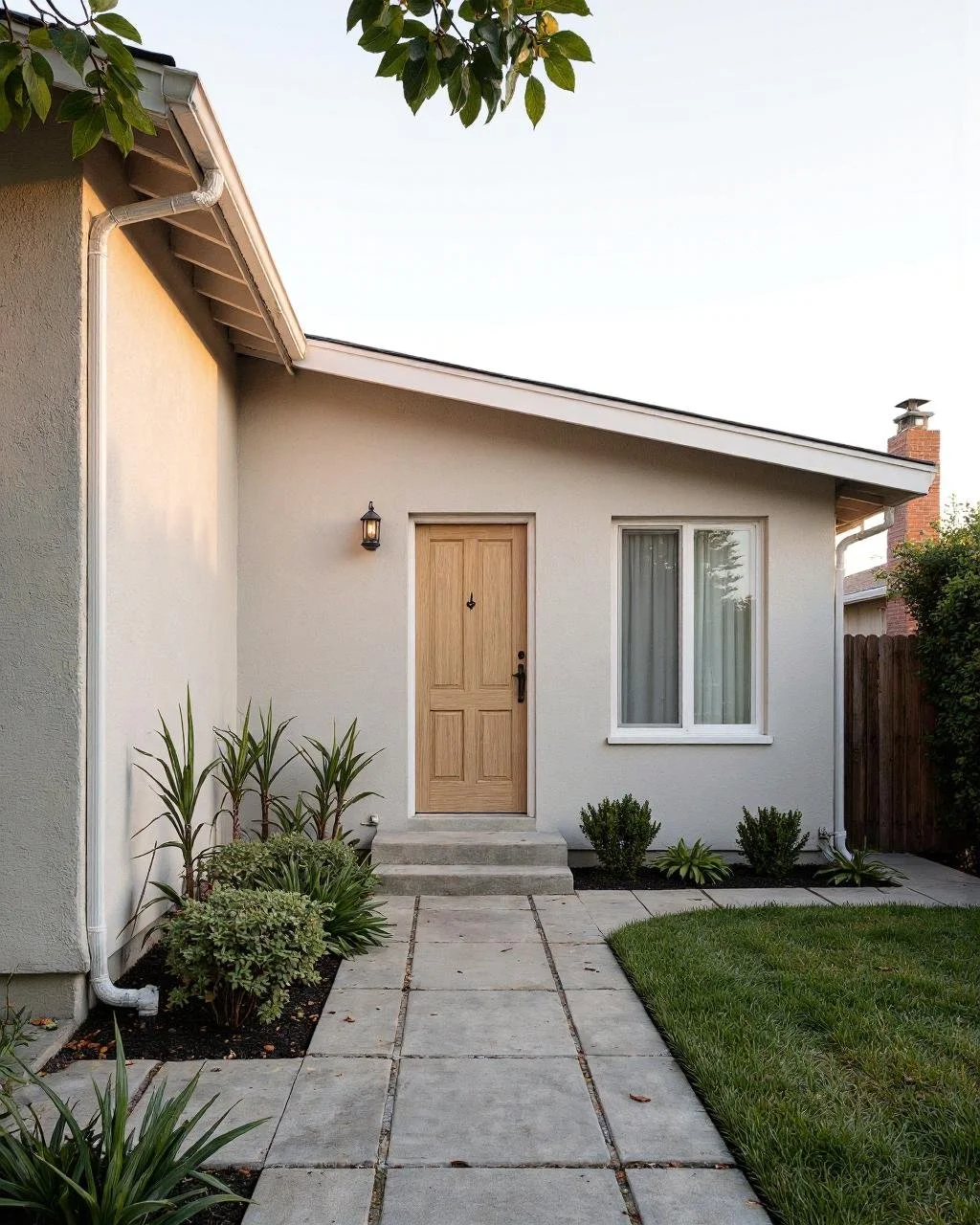
Sloped roof Attached adu in stucco, side of the yard
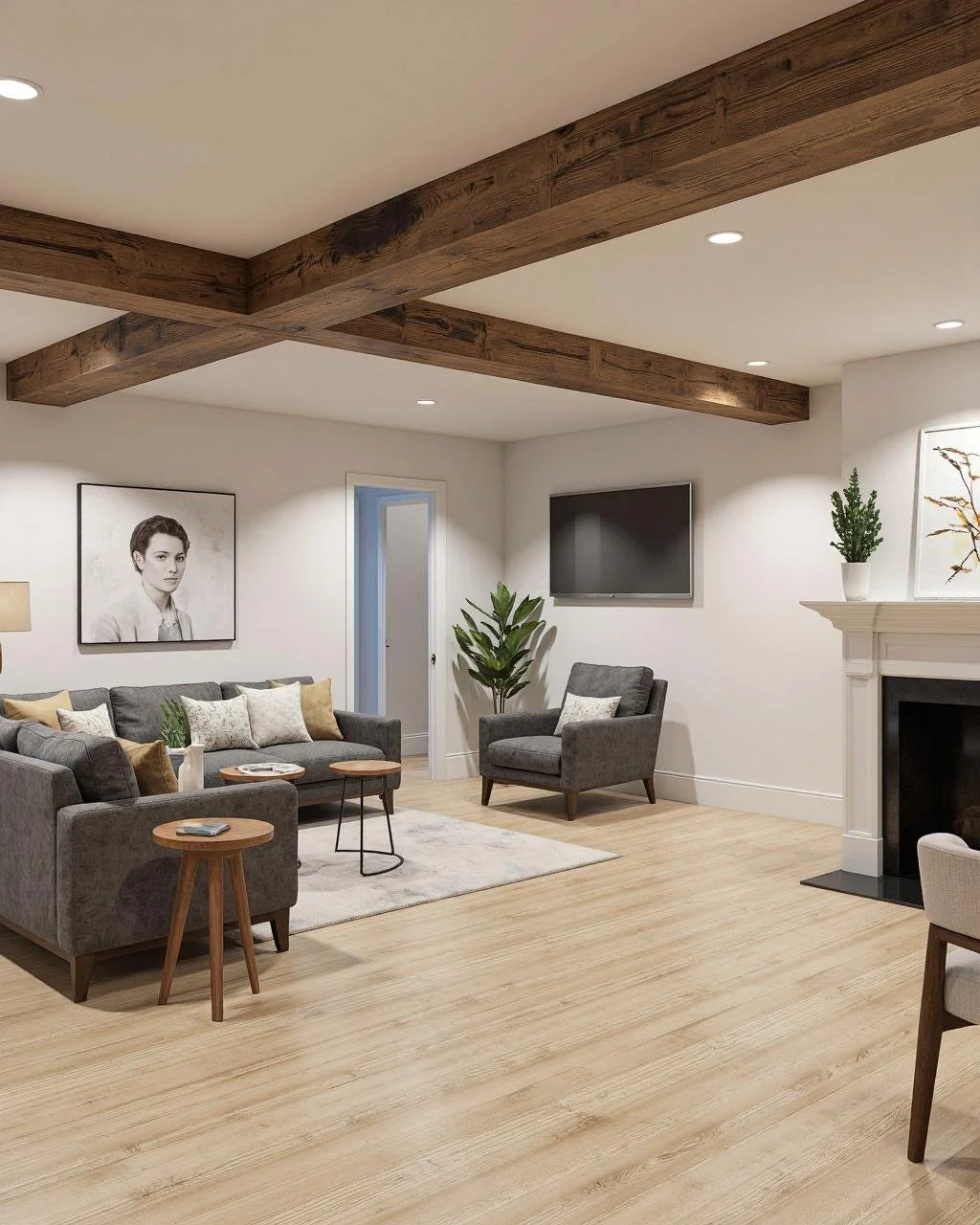
Living room of an ADU, with nice wooden beams, crossed.
ADU Types in Los Angeles

Attached ADU

An attached ADU is built as an extension of the main home, sharing at least one wall with the existing structure. It functions as a separate living space while remaining physically connected to the house.

Because of this connection, attached ADUs are often more efficient to build and integrate more naturally with the existing property. They work well for family use, guest space, or a more private but still connected living arrangement.

Why homeowners choose an attached ADU

An attached ADU balances independence with practicality. It allows for a complete living space while benefiting from existing structure, utilities, and easier access to the main home.

More Efficient Construction

Sharing a wall with the existing home can reduce structural work and simplify certain parts of construction compared to building a fully detached unit.

Easier Utility Integration

Plumbing, electrical, and HVAC systems are often closer and easier to connect, which can help keep the project more efficient.

Ideal for Family Use

Attached ADUs are well suited for in-law suites, extended family, or guest accommodations where proximity to the main house is beneficial.

Balanced Privacy

While connected to the main home, an attached ADU can still be designed to provide a comfortable level of separation and independence.

Attached ADUs are typically more cost-efficient than detached units, but they offer slightly less privacy. The right choice depends on how the space will be used and how closely it should relate to the main house.

3.GARAGE CONVERSION ADU

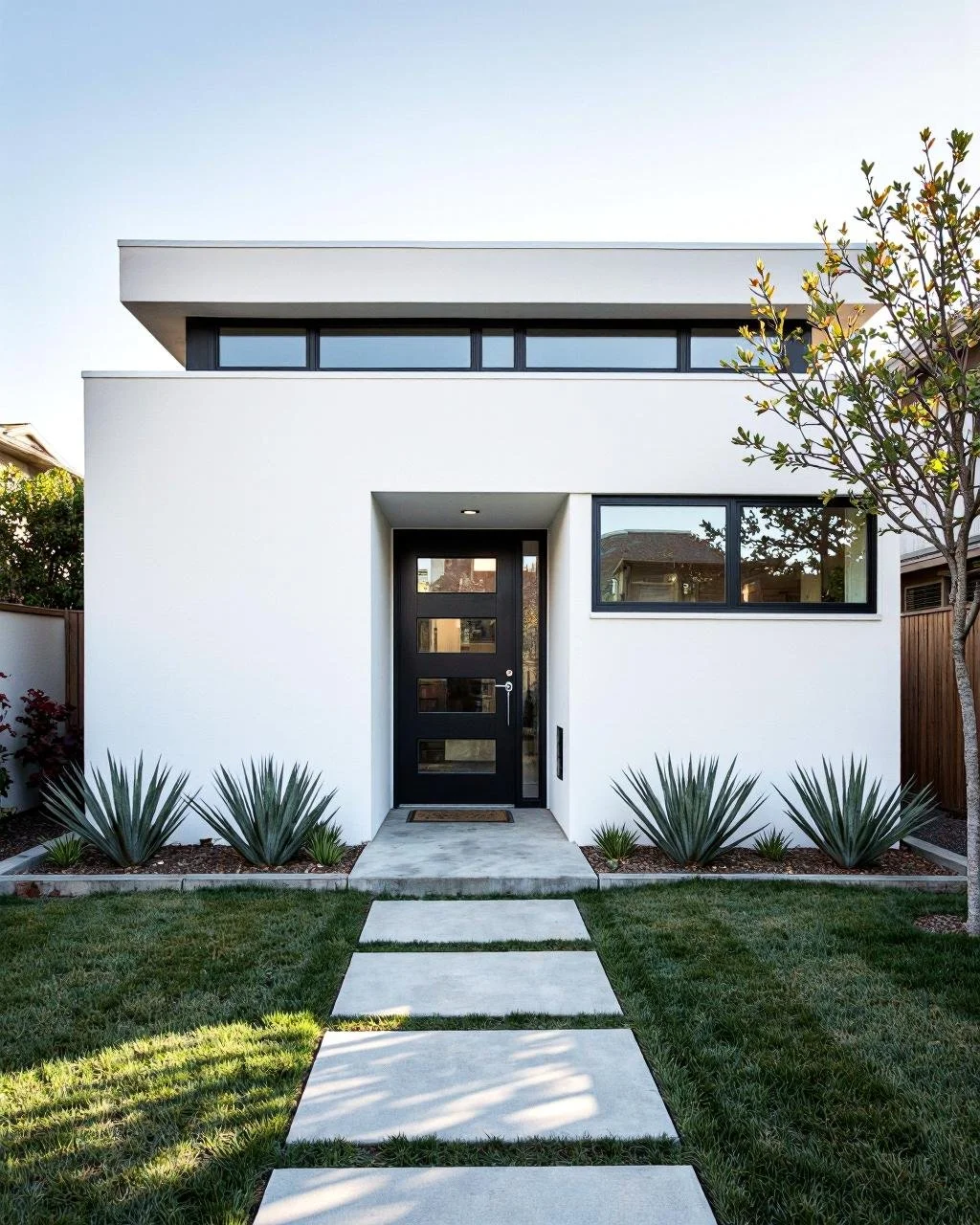
Simple form, moder style adu conversion in Los angeles
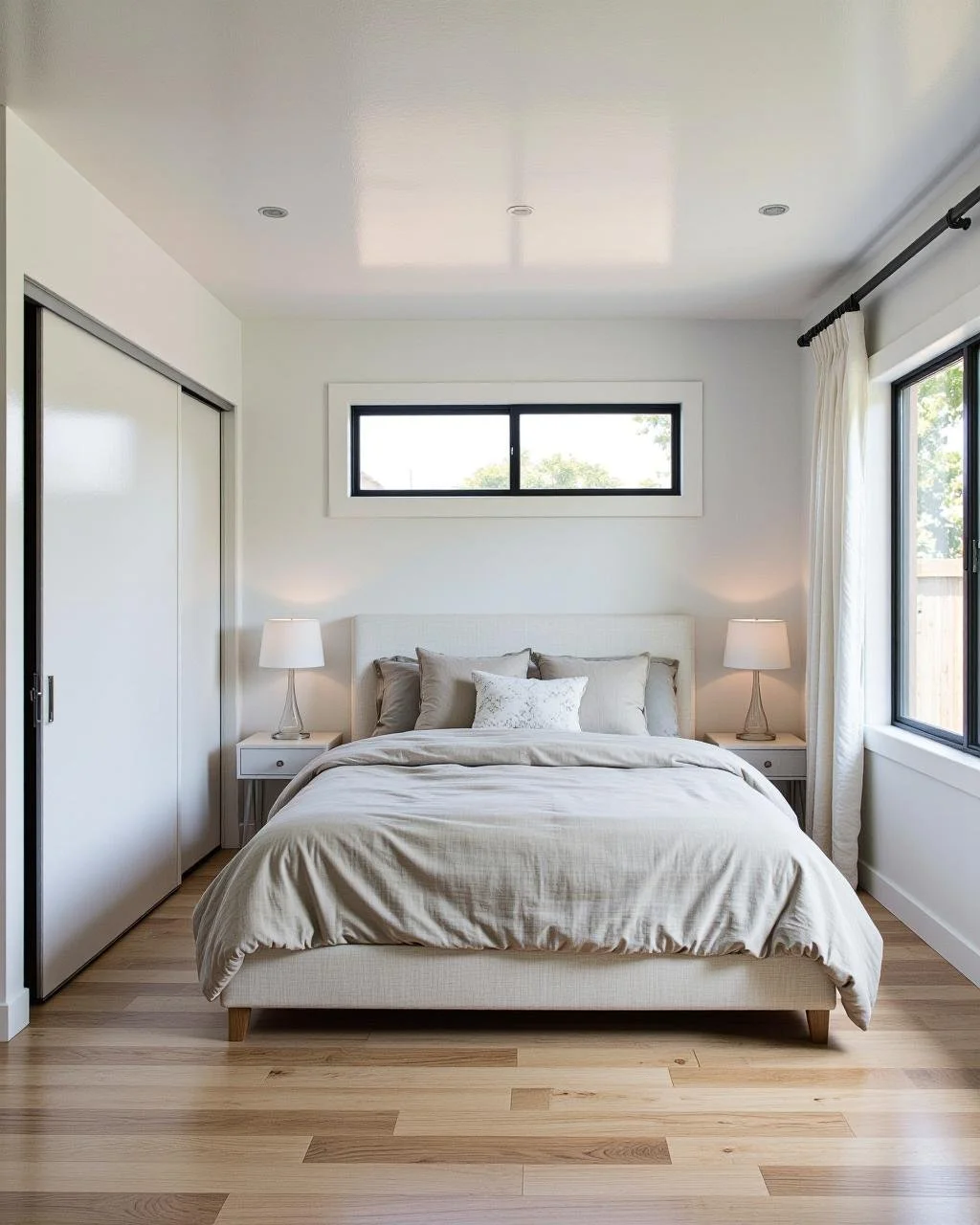
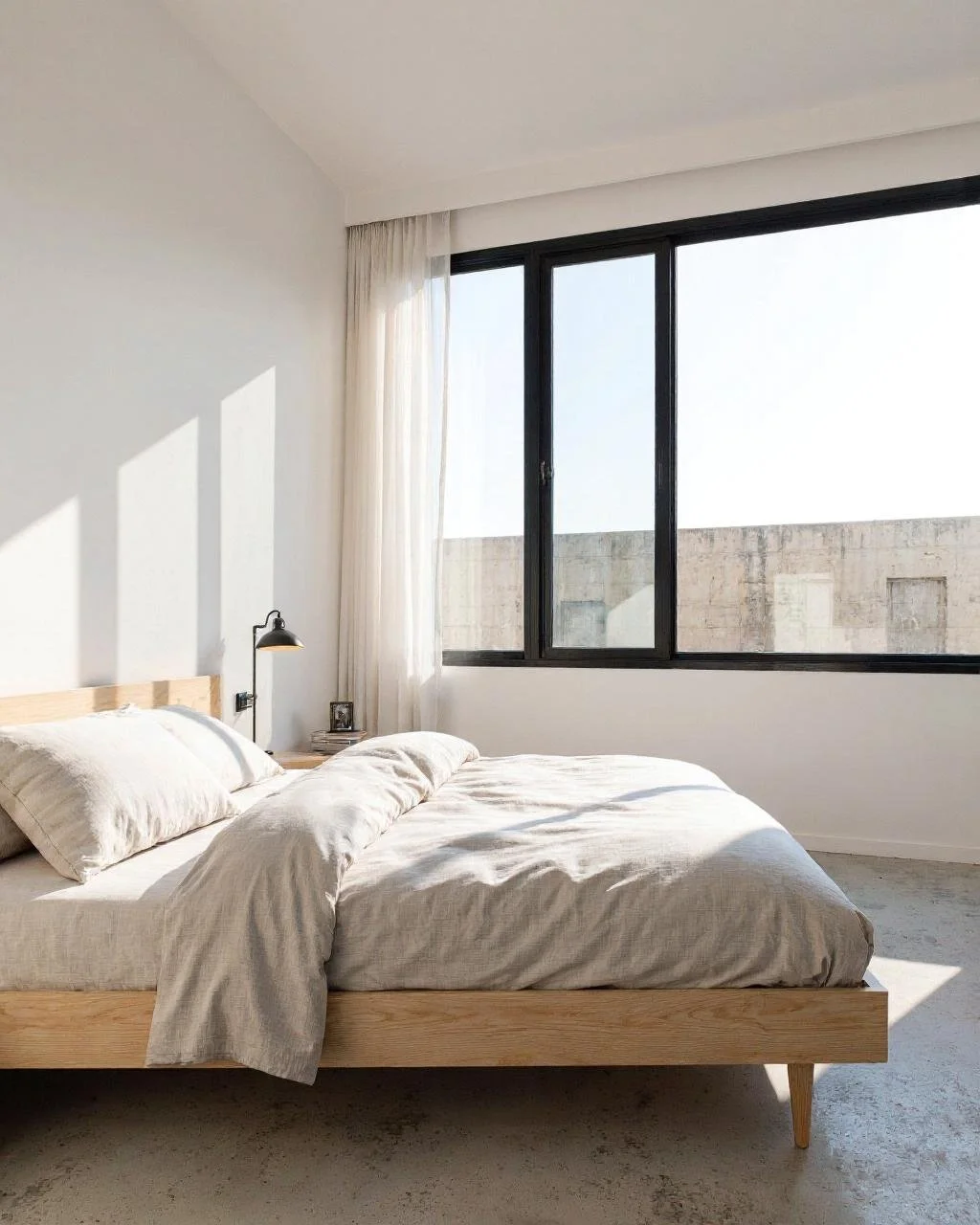
light toned bedroom, contemporary style, light sheets light walls, light modern nightstands
ADU Types in Los Angeles

Garage Conversion ADU

A garage conversion ADU transforms an existing garage into a livable residential unit. Instead of building a completely new structure, the project works within the footprint of the garage and rethinks it as a functional living space.

In Los Angeles, this is one of the most practical ways to add usable square footage to a property. It makes use of an existing structure and can often be a more efficient path toward creating a rental unit, guest space, or independent living area.

Why homeowners choose a garage conversion ADU

A garage conversion can be an effective balance between cost, speed, and long-term value. Because the main structure is already there, the project often feels more accessible than a fully detached build while still creating a meaningful new living environment.

Uses Existing Structure

Working with the garage footprint can reduce the amount of new structural work required and make the project more straightforward than building from the ground up.

More Cost-Efficient

In many cases, a garage conversion costs less than a detached ADU because part of the building shell already exists, which helps control the overall scope.

Strong Return Potential

A well-designed garage conversion can create rental income, add functional square footage, and improve the overall usefulness of the property.

Smart Use of Underused Space

Many garages are used mainly for storage. Converting that space into a livable unit turns an overlooked part of the property into something far more valuable.

Garage conversion ADUs can be more efficient than new detached construction, but the final cost still depends on structural condition, insulation, plumbing, electrical work, and the level of finish. The strongest results come from treating the space as a true living environment rather than simply remodeling a garage interior.

4. JUNIOR ADU (JADU)

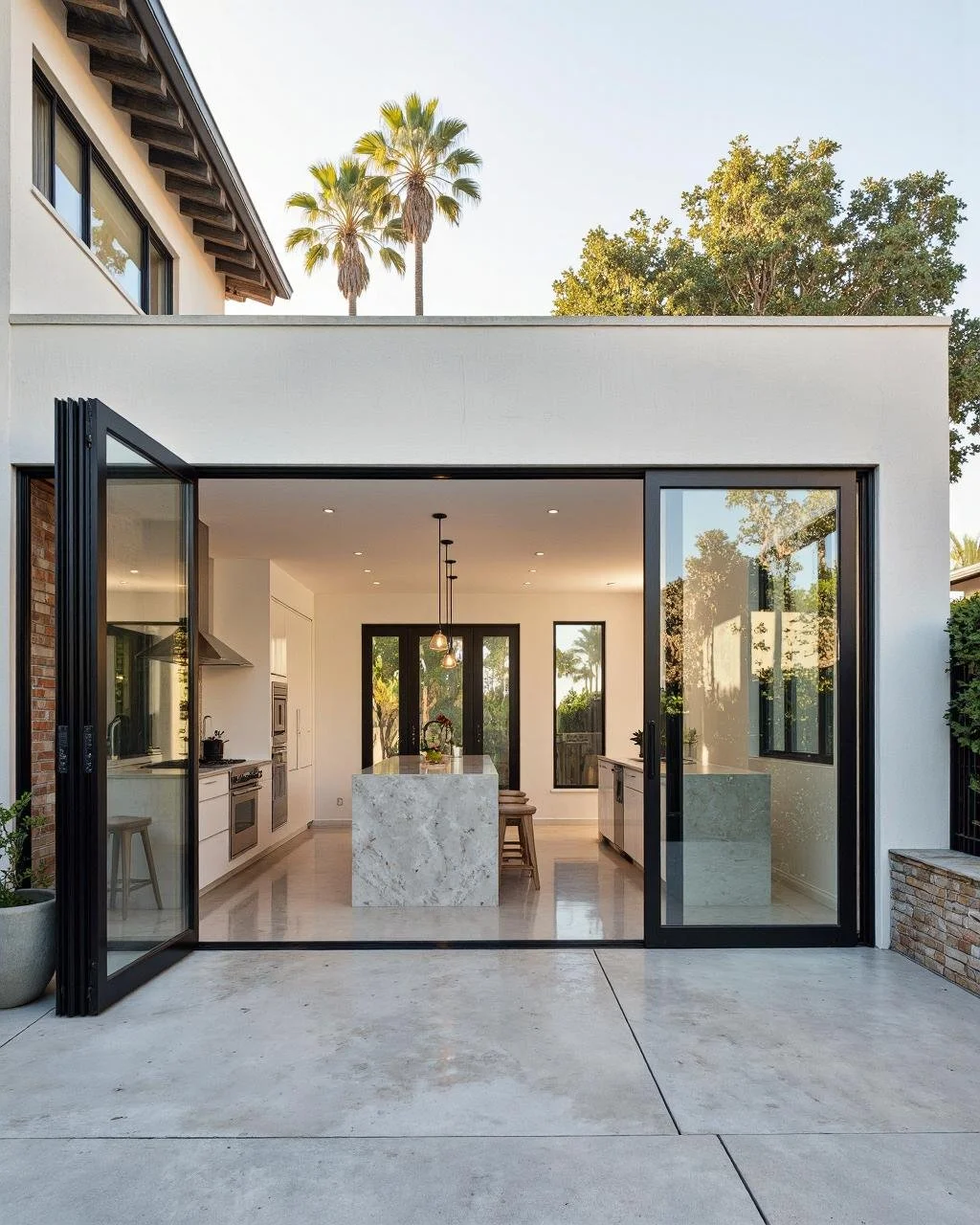
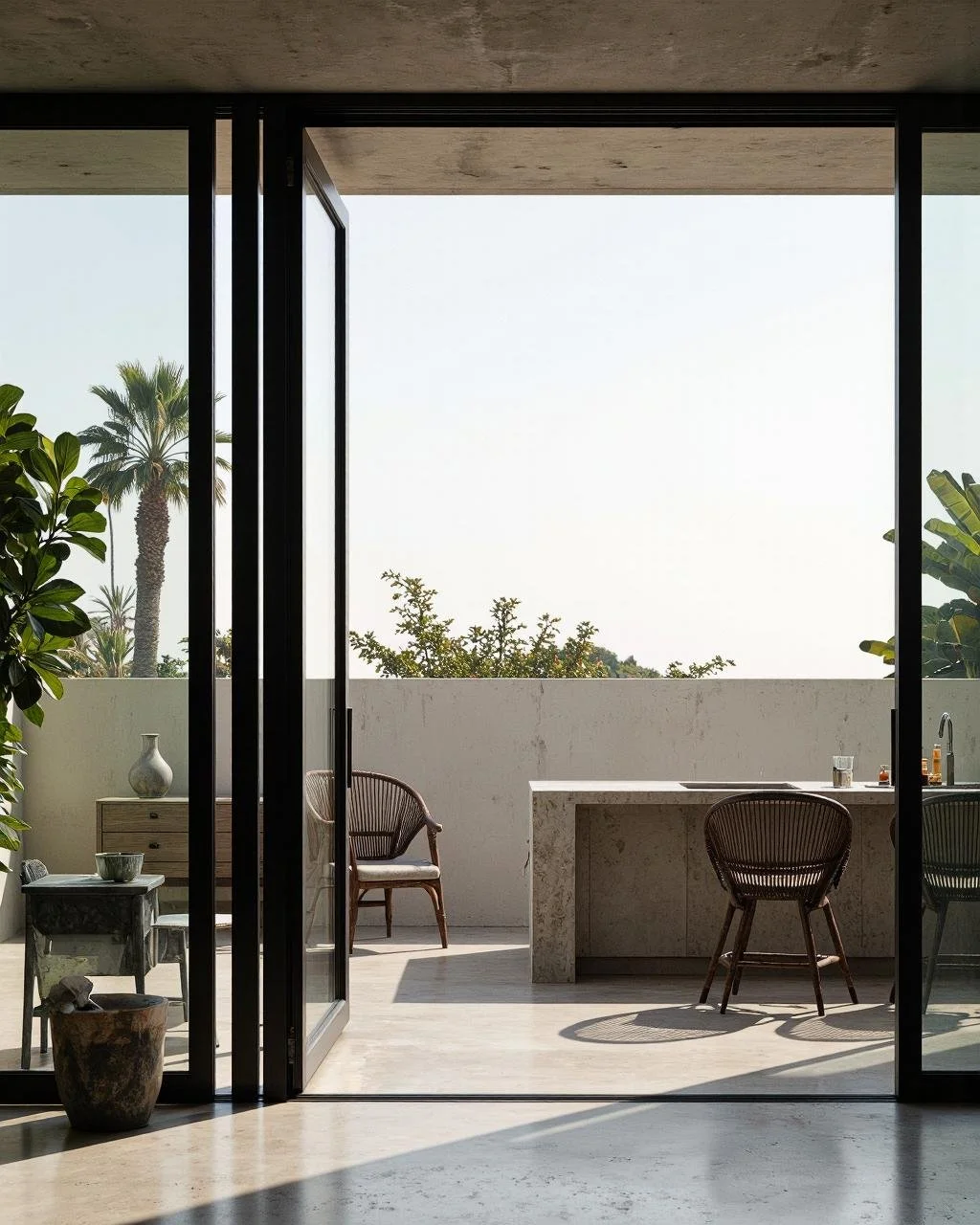
JADU Example in LA, California Style, with wide folding doors, folded to the edge
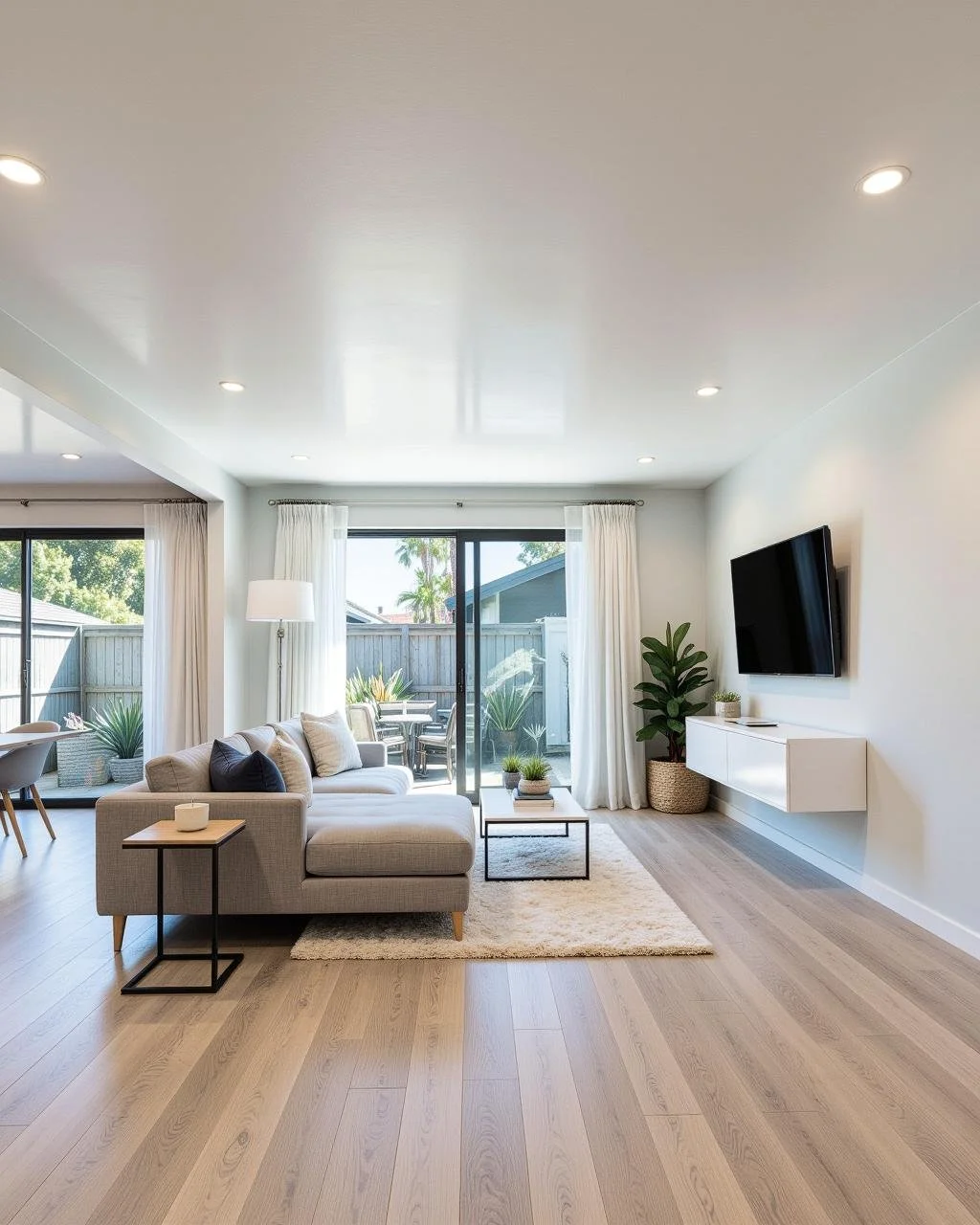
Interior Design of an ADU in California
ADU Types in Los Angeles

Junior ADU (JADU)

A Junior ADU, or JADU, is a smaller residential unit created within the walls of an existing single-family home. In California, it is typically limited to 500 square feet and is often formed from a bedroom, side portion of the house, or another interior area that can be adapted for independent use.

Unlike a full detached or attached ADU, a JADU is more closely connected to the main residence. It is designed as a compact living space and can be a practical option for homeowners who want to add flexibility without taking on a larger construction project.

Why homeowners choose a Junior ADU

A JADU offers a more accessible way to create additional living space on the property. It works well for family use, guests, or a smaller rental setup, especially when the goal is to work within the existing house rather than build outward.

Smaller Project Scope

Because the space is created within the existing home, a JADU can be less complex than building a separate unit from the ground up.

More Budget-Friendly

Junior ADUs are often one of the more cost-efficient paths to adding usable residential space, especially when major structural changes are limited.

Good for Family or Guests

A JADU works well for adult children, extended family, or visiting guests who need a degree of independence while still remaining close to the main home.

Efficient Use of Existing Space

It turns underused interior square footage into a functional living environment without requiring a separate backyard structure.

A Junior ADU is smaller and more limited than a full ADU, so it is not always the right fit for long-term flexibility or maximum rental value. Still, for the right property, it can be a practical and efficient way to add a compact living space.

5.ABOVE GARAGE ADU

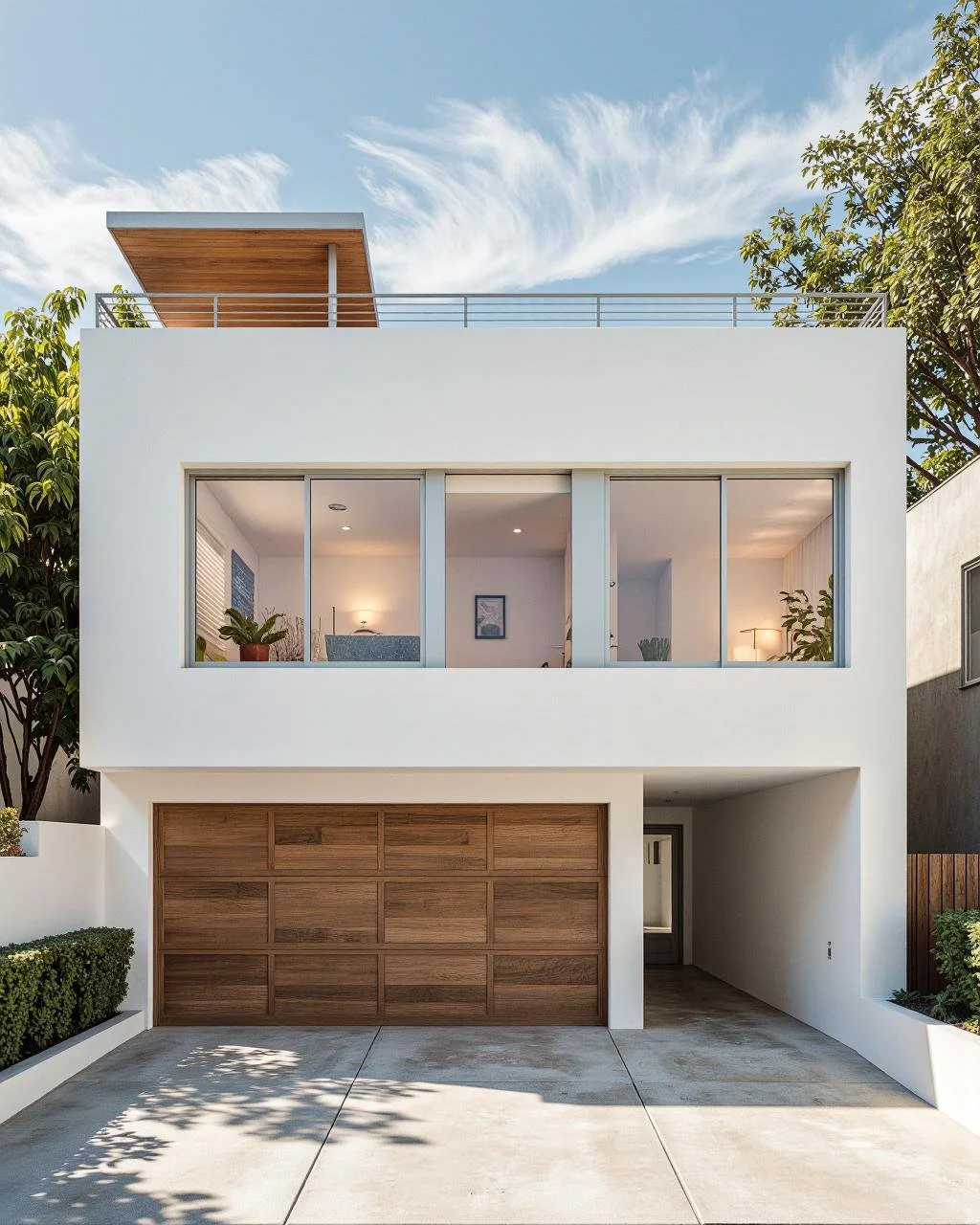
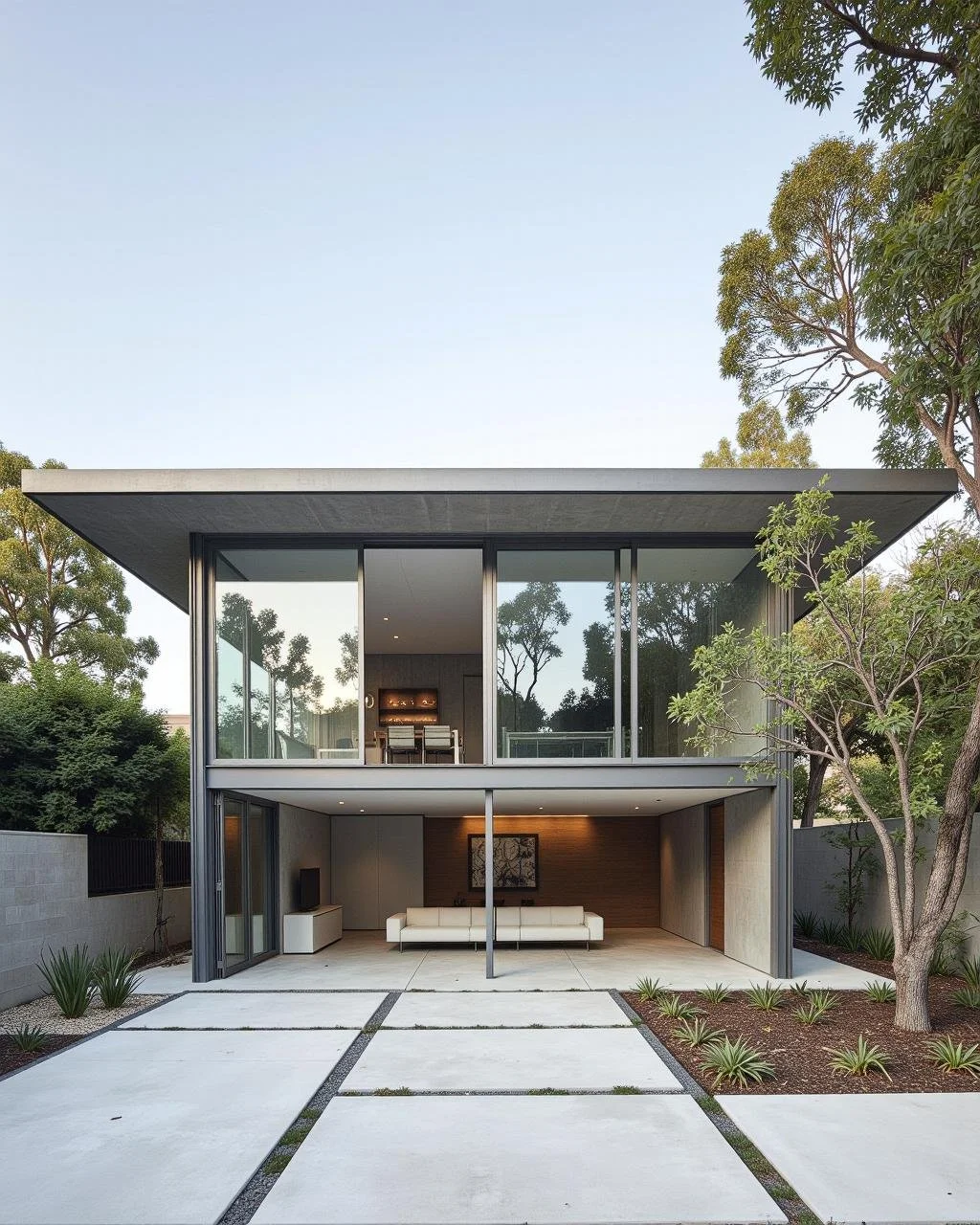
modern stucco and wood ADU in Los Angeles
image of a bedroom inside of converted above garage adu in light tones, with oak Japanese style bed
ADU Types in Los Angeles

Above Garage ADU

An above garage ADU is a residential unit built over an existing or newly constructed garage. Instead of expanding into the yard, this type of ADU uses vertical space to create a separate living environment while preserving the garage function below.

In Los Angeles, this can be a strong option for properties where outdoor space is limited or where the homeowner wants to keep parking, storage, or workshop use at ground level. It combines efficiency of footprint with a more independent living arrangement above.

Why homeowners choose an above garage ADU

This type of ADU makes it possible to add meaningful square footage without taking over as much of the backyard. It can also create a stronger sense of separation than a unit built directly into the main house, while still using the property efficiently.

Efficient Use of the Lot

Building upward allows the property to gain living space while preserving more open yard area than some ground-level additions.

Keeps Garage Function Below

The lower level can still serve for parking, storage, or workspace, while the upper level becomes a separate residential unit.

Greater Sense of Separation

Because the ADU sits above a distinct structure, it can feel more private and self-contained than some attached alternatives.

Strong Option for Smaller Yards

On tighter Los Angeles lots, going vertical can be one of the smartest ways to add living space without crowding the rest of the property.

Above garage ADUs can involve more structural and engineering complexity than a standard garage conversion, especially when reinforcing the garage below or designing a new two-level structure. Still, for the right property, they offer an efficient and highly functional solution.

6.NEW CONSTRUCTION ADU

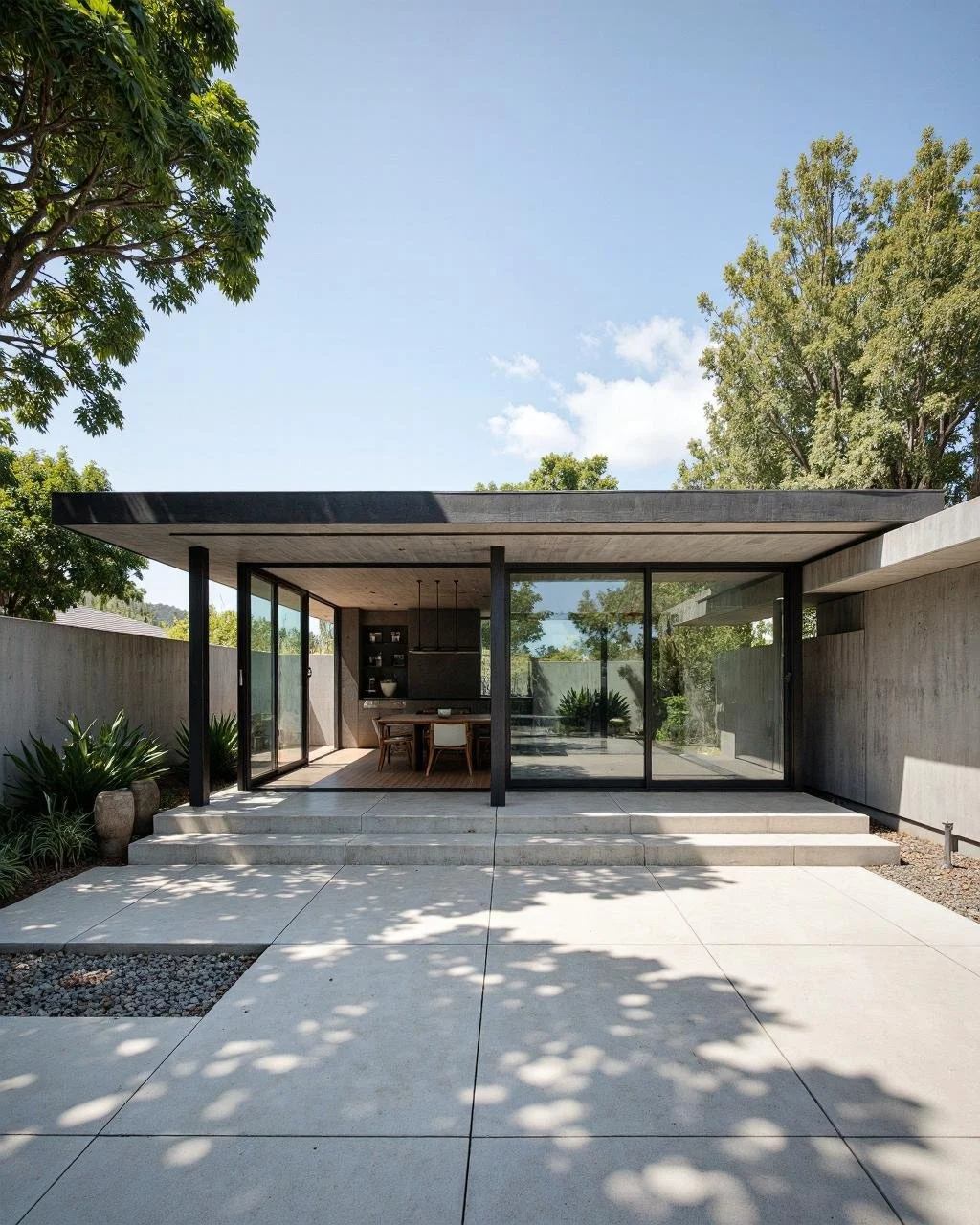
Modern Concrete Detached ADU, in plan it is surrounded by folding doors
ADU backyard with the concrete 4 ft tall fence
ADU Types in Los Angeles

New Construction ADU

A new construction ADU is built from the ground up as a completely separate residential structure on the property. Unlike conversions or additions, it is not limited by existing walls or layouts, which allows for a more intentional and flexible design.

In Los Angeles, this type of ADU is often chosen when the goal is to create a fully independent living space with a higher level of control over layout, proportions, and overall architectural character.

Why homeowners choose a new construction ADU

A new build offers the most freedom in planning and execution. It allows the space to be shaped around how it will actually be used, rather than adapting to an existing structure.

Complete Design Freedom

The layout, structure, and exterior can be designed without the constraints of an existing building, allowing for a more refined and intentional result.

Fully Independent Living Space

A new construction ADU functions as its own small home, with clear separation from the main residence in both structure and experience.

Stronger Long-Term Value

A well-designed standalone unit can significantly increase property value and provide consistent long-term rental potential.

Optimized Layout & Light

Openings, orientation, and spatial organization can be planned from the beginning to improve natural light, flow, and overall livability.

New construction ADUs typically require the highest investment and longer timelines compared to other types, as they involve full site preparation, foundation work, and complete building systems. However, they also offer the most flexibility and the most complete result.

FAQ

Frequently Asked Questions About ADUs

What is an ADU?

An ADU, or Accessory Dwelling Unit, is a secondary residential unit built on the same lot as a primary home. It can be detached, attached, or created from existing space such as a garage or interior area.

What is the difference between an ADU and a JADU?

A full ADU is a complete independent living unit, while a Junior ADU (JADU) is smaller and typically created within the main house. JADUs usually have size limits and are more closely connected to the primary residence.

Can an ADU be rented out in Los Angeles?

Yes, ADUs in Los Angeles can generally be used for long-term rental. They are commonly built as income-producing units or for flexible use depending on the needs of the property owner.

How long does it take to build an ADU?

The timeline depends on the type of ADU, permitting process, and construction scope. In general, projects can take several months from planning through completion.

Do I need permits to build an ADU?

Yes, ADUs require permits and must comply with local zoning and building regulations. Proper approvals are an important part of the process before construction begins.

Which type of ADU is the most cost-effective?

Garage conversions and Junior ADUs are often more cost-efficient because they use existing structures. Detached and new construction ADUs typically require a larger investment but offer more flexibility and independence.

How do I choose the right type of ADU?

The right type depends on your property layout, budget, and intended use. Factors such as available space, privacy needs, and long-term goals all influence the decision.